Partners on the Path: Collaboration is Adding Housing in Banff
Like most things, housing in Banff is unique: limited land, strict regulations on who can live here, and a growing need for accommodation to support the community behind its visitor economy. But in the past two years, a notable shift has taken place. Since June of 2024, more than 600 new homes are approved for development or are being reviewed for approval, a significant increase from the 405 units approved over the entire previous decade.
The catalyst? A bold municipal Housing Action Plan, support from the federal government and the local tourism industry investing in new opportunities to build housing, rooted in the shared vision to Lead Tourism for Good.
“The progress we’re making in addressing Banff's housing crisis is the result of strong collaboration across sectors. Supported by federal oversight, municipal leadership has advanced housing-friendly policies helping to unlock unprecedented levels of private sector development. By working together, we’re turning what once seemed impossible into real, tangible progress,” says Banff Mayor Corrie DiManno.
This partnership reflects a deeper commitment to improving Banff and Lake Louise as thriving places to live, work, and visit — recognizing that national park communities have a special responsibility for community wellbeing.
Lead Tourism for Good, the vision guiding the tourism industry in Banff and Lake Louise, was developed by Banff & Lake Louise Tourism and the Town of Banff, in partnership with Parks Canada, helping to create alignment across sectors. While each organization has its own plans, a shared vision helps guide decision-making on complex issues like housing.
As DiManno explains, “We’ve found innovative ways to deliver housing that is more affordable, diverse, and responsive to community needs. That’s the spirit of innovation Lead Tourism for Good is meant to inspire.”
Partners pivoting together
Central to this progress is the Town of Banff’s Housing Action Plan to rethink long-standing policies. For example, in June 2024, Banff’s town council removed the requirement for new housing developments to provide on-site parking, removing a significant barrier to new housing on limited land. The previous requirement for parking for a new dwelling unit was the main reason homeowners did not add a secondary rental suite on their property. With new financial incentives to support homeowners in creating new, comfortable suites, the Town triggered 44 new homes into the pipeline already.
Another decision was to increase density allowed in all neighbourhoods, with increased building heights and floor area for homes. “It’s about thinking differently and creatively,” DiManno says. “Our goal is to provide safe, comfortable living for residents while respecting the land and national park regulations.”
Parks Canada’s involvement has been pivotal, she says. Municipal approvals in Banff require federal alignment, a process that can take months. Through a spirit of cooperation, approvals that might have taken four to six months were completed in just two days.
“We’ve worked shoulder to shoulder,” DiManno says. “We fully embrace and respect the constraints, especially because they empower us to innovate and work together in ways we haven't before.”


The progress we’re making in addressing Banff's housing crisis is the result of strong collaboration across sectors.
Banff Mayor Corrie DiManno
Tourism steps forward
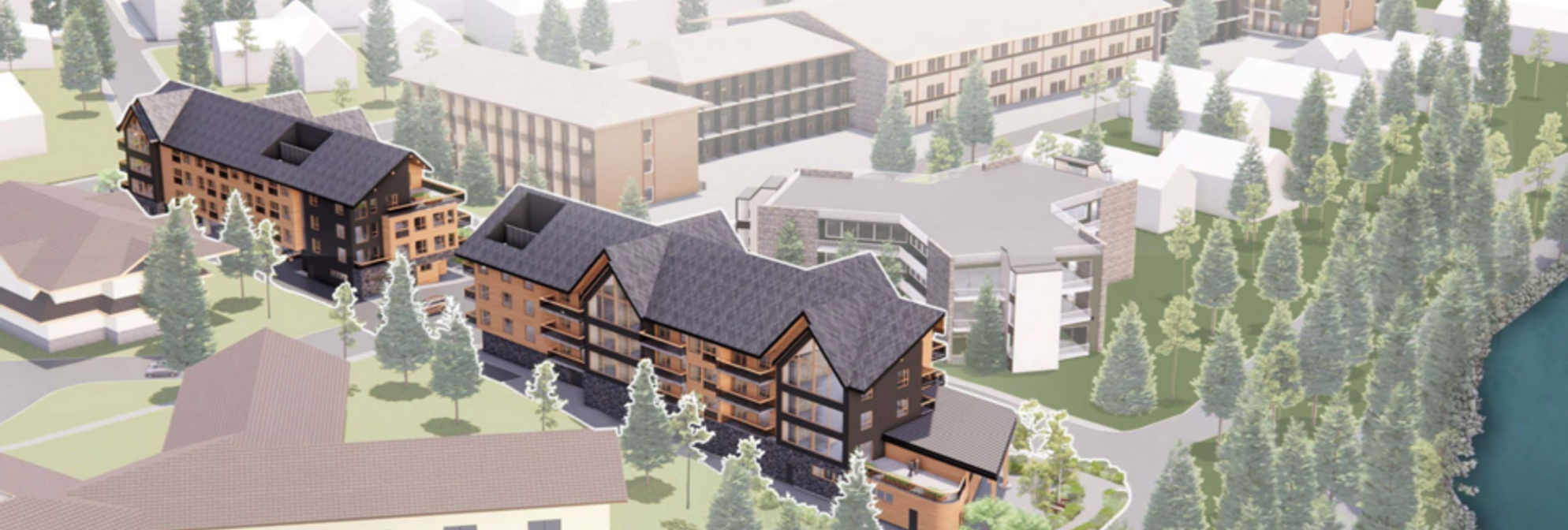
The tourism industry has also been an essential partner. Locally owned, and employee owned, Banff Caribou Properties, which own and operate numerous hotels, restaurants, spas and a cinema, has been instrumental in creating residential supply in Banff. "Residential development has always been a key part of our business model, not only for supporting our staff but investing back in the community with quality projects", says Shawn Birch, CEO. "We are very excited for our next chapter in residential development, which includes over 200 new residential units in Banff.”
Other initiatives demonstrate collaboration in practice. The Wolf Street Housing project being built by the Town of Banff, will create 90 homes, including 15 permanently below-market for-purchase homes and 75 affordable rental suites. The project receives funding from the federal and provincial governments. In addition, the complex will have an 8,000 sq. ft. community space for all Banff residents to enjoy, funded by a $5 million contribution from the Wim & Nancy Pauw Foundation, which uses funds generated by tourism via Banff Caribou Properties.
Living – and finding a home – in a national park
Housing in Banff is uniquely complex. Located within a national park, the townsite is bound by strict development limits, commercial caps, and a “Need to Reside” requirement, meaning you have to work in Banff to be allowed to live in Banff, or you have retired here after working in the park. With 98.5 per cent of residential land already developed in a town that is less than 4 square kilometers in area, redevelopment, increased density and creative infill are essential.
For Banff, housing is foundational to sustainable tourism. Visitors experience Banff through the people who welcome them, guide them, cook for them, and care for this place. To be gracious hosts to grateful guests, affordable, safe and stable housing is critical.
DiManno emphasizes the importance of long-term thinking: “This work goes beyond building units. It’s about strengthening partnerships, enabling infrastructure, and reinvesting in our communities. We’re also encouraging industry to move past short-term solutions and help deliver housing that supports a thriving visitor economy.”
There is still much more to do. But through radical collaboration, policy innovation, and a shared commitment to community wellbeing, meaningful progress is underway.