Stories from the Trails: Building a Stronger Tourism Workforce with YWCA Banff
Tourism is powered by people. In Banff and Lake Louise, supporting the people who live and work here is essential to building a resilient tourism community.
More than 90 per cent of jobs in Banff are connected to tourism, from restaurant servers and hiking guides to ski resort “lifties”. For YWCA Banff, that connection is reflected in the people it supports every day.
In 2023, YWCA Banff served 4,200 individuals, with an estimated 3,800 working in tourism and hospitality. That connection has continued in the years since.
This work reflects the Community Wellbeing Trail to Tomorrow, part of Lead Tourism for Good – the vision for tourism in Banff and Lake Louise. It recognizes that a strong tourism destination is also a strong community, where people have the support, resources, and opportunities they need to thrive.
For YWCA Banff, that means supporting tourism workers both inside and outside the workplace.
Supporting the people behind tourism
Banff and Lake Louise have a unique relationship between employment, housing, and community. For many people, where they work is also connected to where they live, their social networks, and their support systems.
When someone experiences violence or trauma, the impacts can extend beyond their personal life and into the workplace.
YWCA Banff provides supportive counselling, emergency shelter, affordable housing and other programs that support people through these experiences. Many of the people accessing these services are part of the tourism and hospitality workforce.
“There is a clear link between this sector and the people we serve,” says Reave MacLeod, Director of Programs & Impact at YWCA Banff. “We provide the crucial support people need when they experience violence or trauma at home or in the workplace.”
By supporting workers, the YWCA is also supporting the businesses and workplaces that rely on them.
This is an important part of a resilient tourism economy: recognizing that the wellbeing of the workforce and the wellbeing of the industry are closely connected.


Creating healthier workplaces
The YWCA’s work also extends into tourism workplaces themselves.
YWCA Banff is a co-creator of the Bow Valley Workplace Inclusion Charter, which helps businesses take practical steps toward more diverse and inclusive workplaces. The organization also works directly with local tourism and hospitality businesses to build awareness around violence prevention and help employers, managers, and staff become upstanders.
Creating a safer workplace starts with small actions and everyday culture.
The YWCA works with businesses to recognize behaviours and workplace norms that can contribute to violence, while helping staff understand how they can respond. It also reviews workplace sexual harassment policies and provides recommendations informed by trauma-informed practice and Alberta legislation.
“We are here for employers in the Bow Valley who are supporting survivors of sexual violence—it’s what we do. This work is necessary for a healthy, strong community,” explains Reave.
But lasting change requires more than a single training session.
YWCA Banff is taking a longer-term approach, working with employers to explore best practices and create meaningful changes in workplace culture.
This work contributes to a tourism industry where people feel safer, more included, and better supported.
Shaping the next generation of tourism leaders
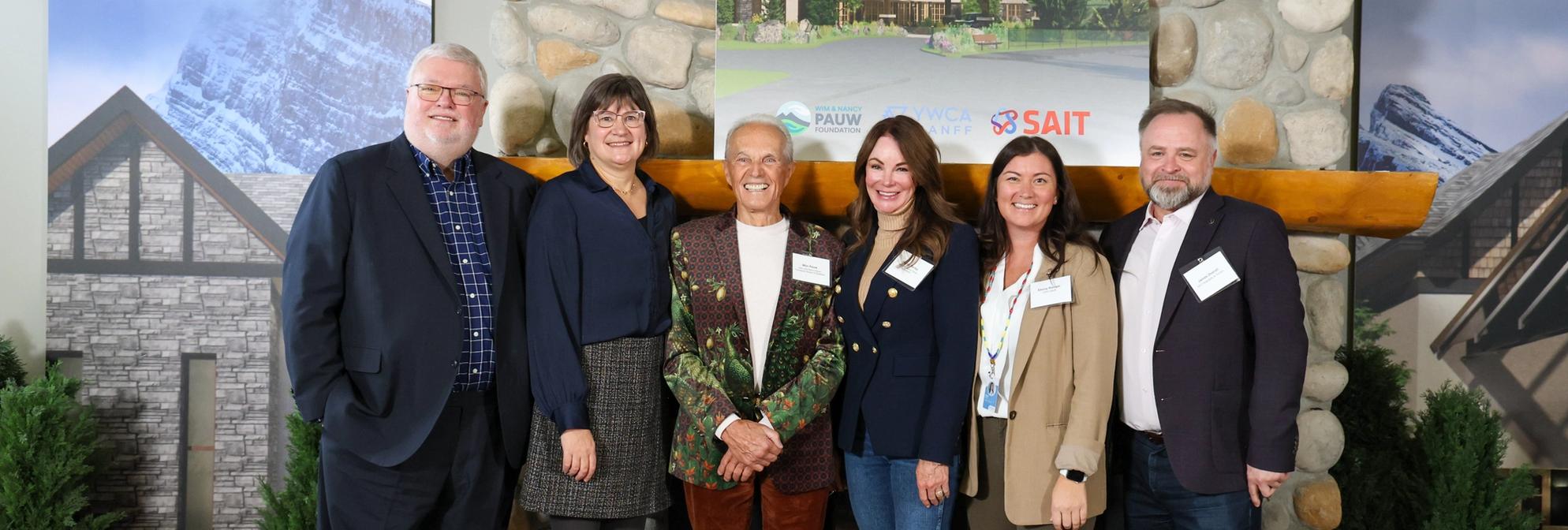
Looking ahead, the YWCA is also helping shape the future of hospitality and tourism through the new Wim Pauw Centre for Hospitality and Tourism.
Opening in 2028, the centre will transform YWCA Banff’s former social enterprise hotel into a place for hospitality and tourism learning, including classrooms and accommodation. The project is a partnership with the Southern Alberta Institute of Technology (SAIT), with funding from the Wim & Nancy Pauw Foundation.
The partnership creates an opportunity to bring violence prevention education into the training of future hospitality and tourism professionals.
Students could engage with the YWCA’s work through initiatives such as Sexual Violence Awareness Month, while learning how prevention and healthy workplace culture can be part of their future careers.
For YWCA Banff, this is an opportunity to influence the people who will help shape the tourism industry for years to come.
“The first cohort of SAIT students will arrive at our new facility as early as 2028. We’re thrilled at the opportunity to impact future hospitality leaders and help create safe, respectful workplaces,” said Reave.
It also creates greater financial sustainability for the Y’s violence prevention programs, allowing this work to continue supporting the community into the future.
Tourism is stronger when the community is stronger
A successful tourism destination is about more than the visitor experience. It is also about the people who live, work, and build their lives here.
From providing support to tourism workers, to helping employers create healthier workplaces, to shaping the next generation of hospitality leaders, YWCA Banff is contributing to a more resilient tourism community.
This is what it means to Lead Tourism for Good.
When the people behind tourism are supported, the entire destination benefits.
And by working together to create a safer, more inclusive, and more resilient community, tourism can play a role in helping Banff and Lake Louise thrive for generations to come.
Learn More about YWCA Banff