How to Keep Wildlife Safe in Banff National Park
Want to experience wildlife in Banff at its best? This guide shows you how to view animals safely and responsibly, so your encounters feel safe, memorable, and stress-free. With simple tips like managing food, slowing down, and giving wildlife space, you’ll experience the park as it’s meant to be, by travelling in Park Mode and helping keep wildlife wild.

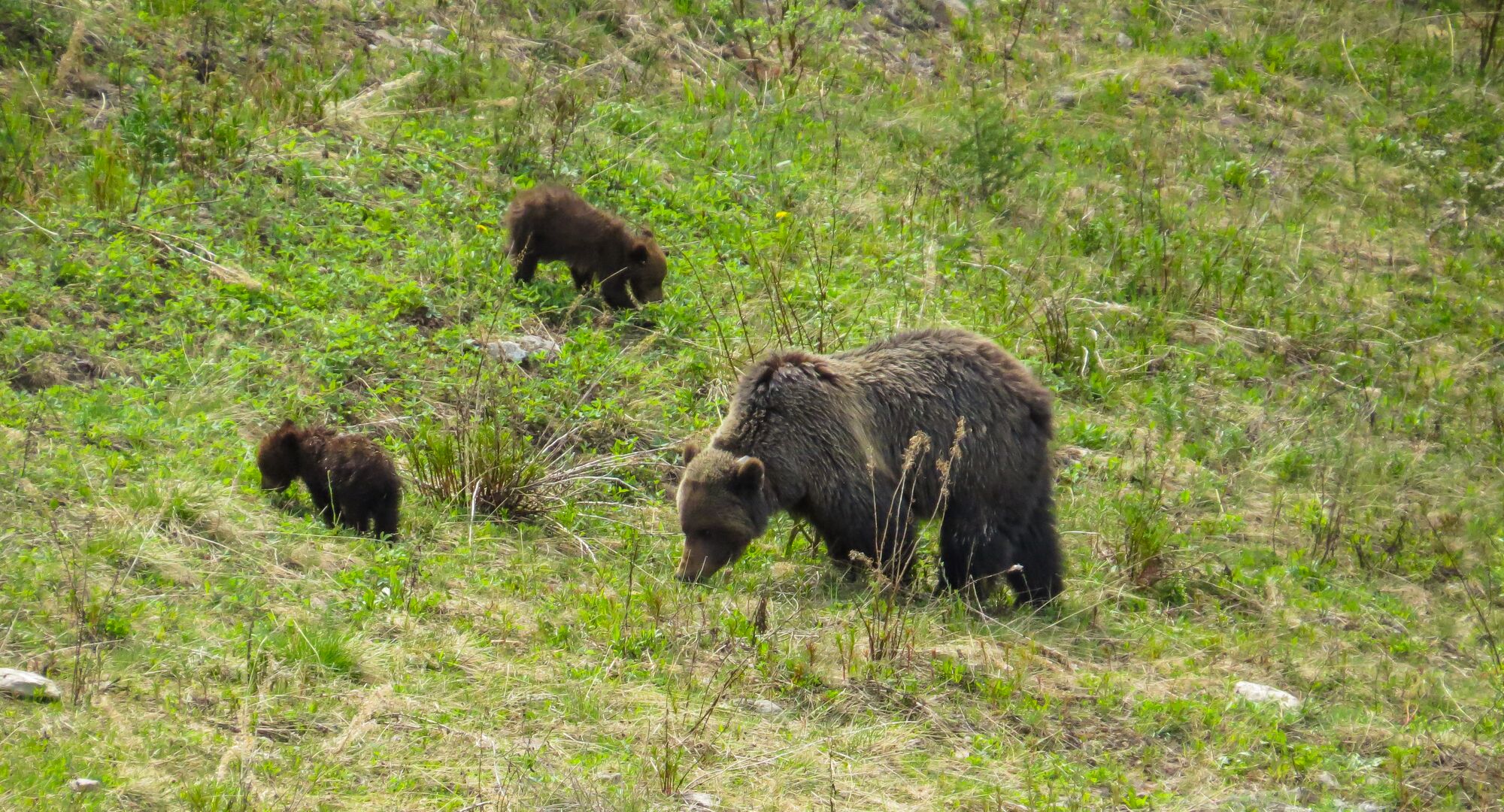
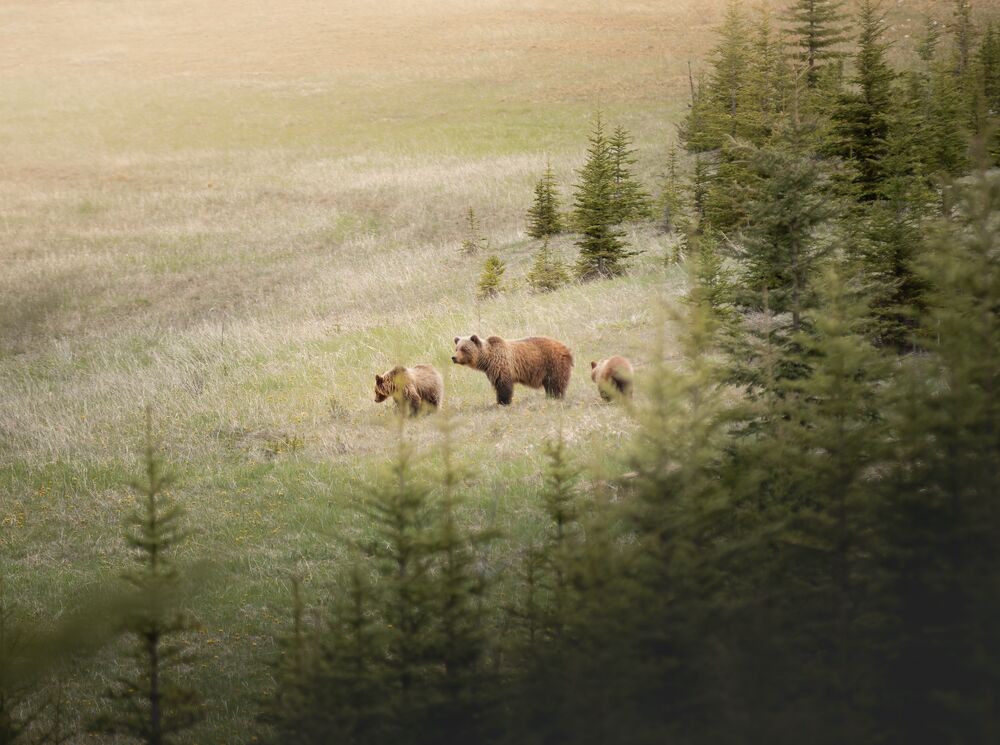
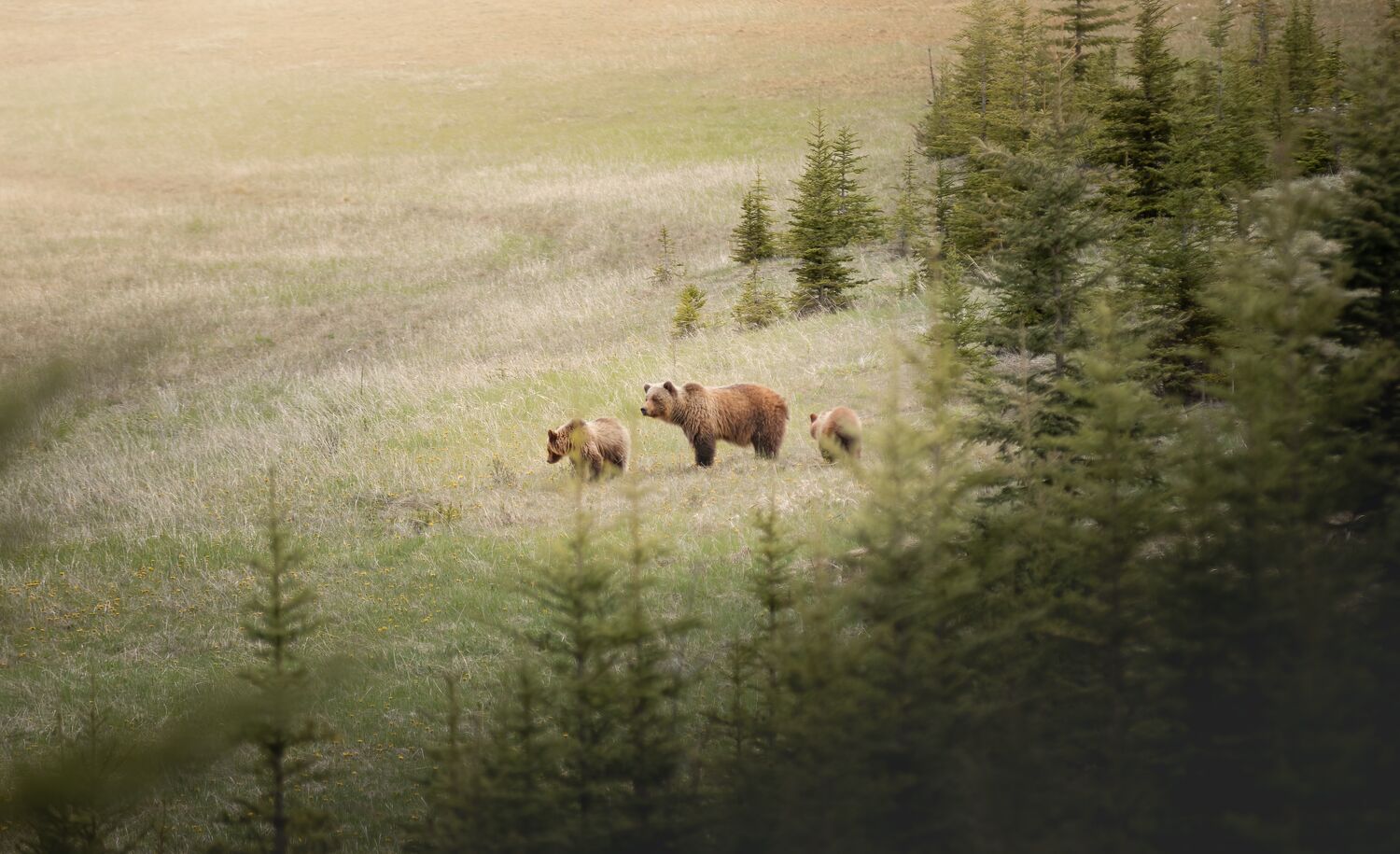
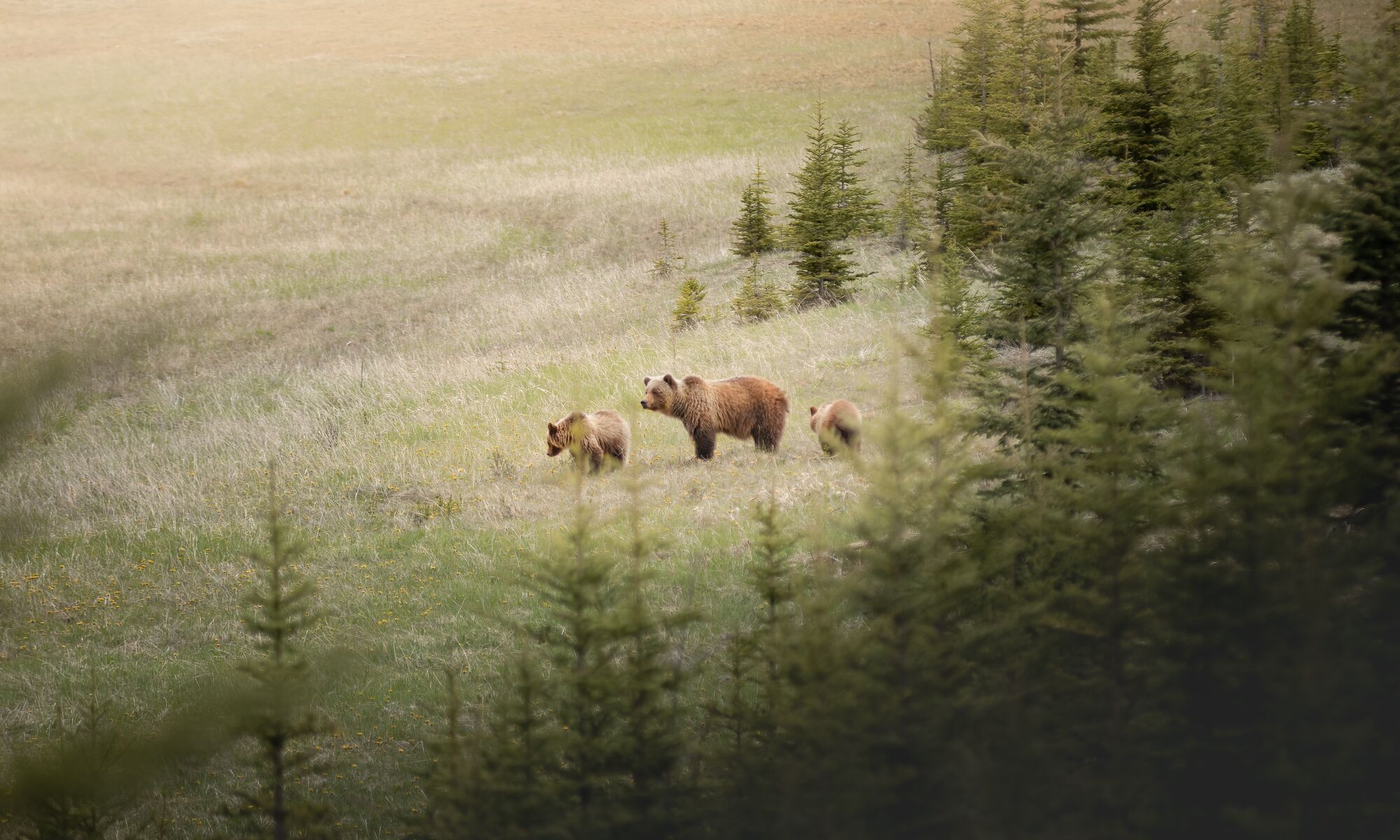
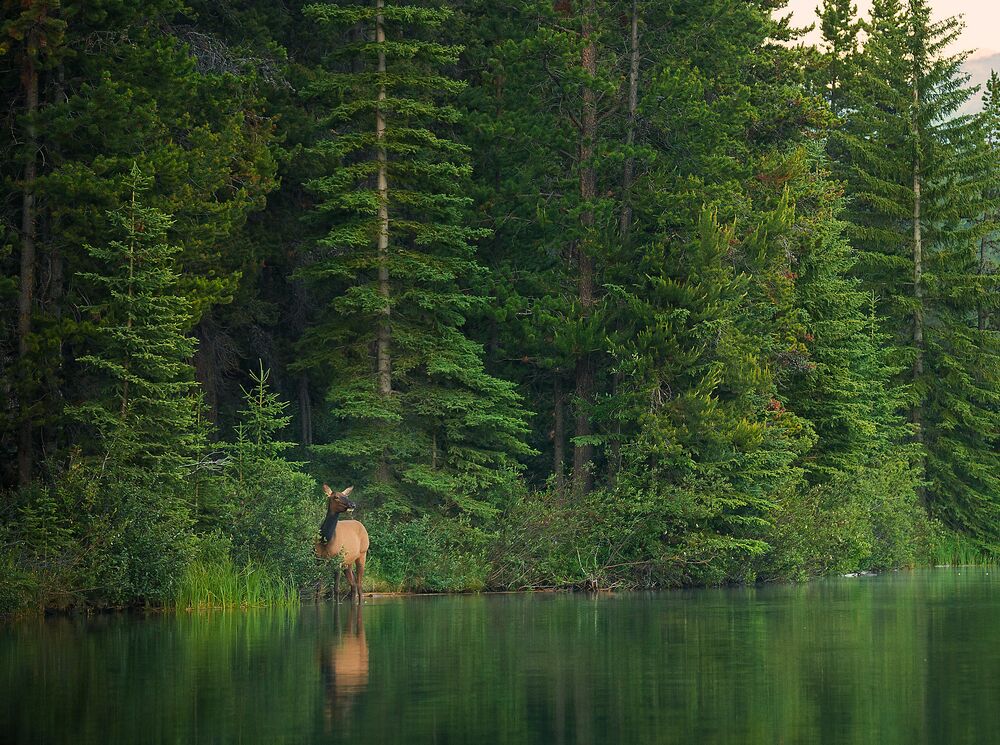
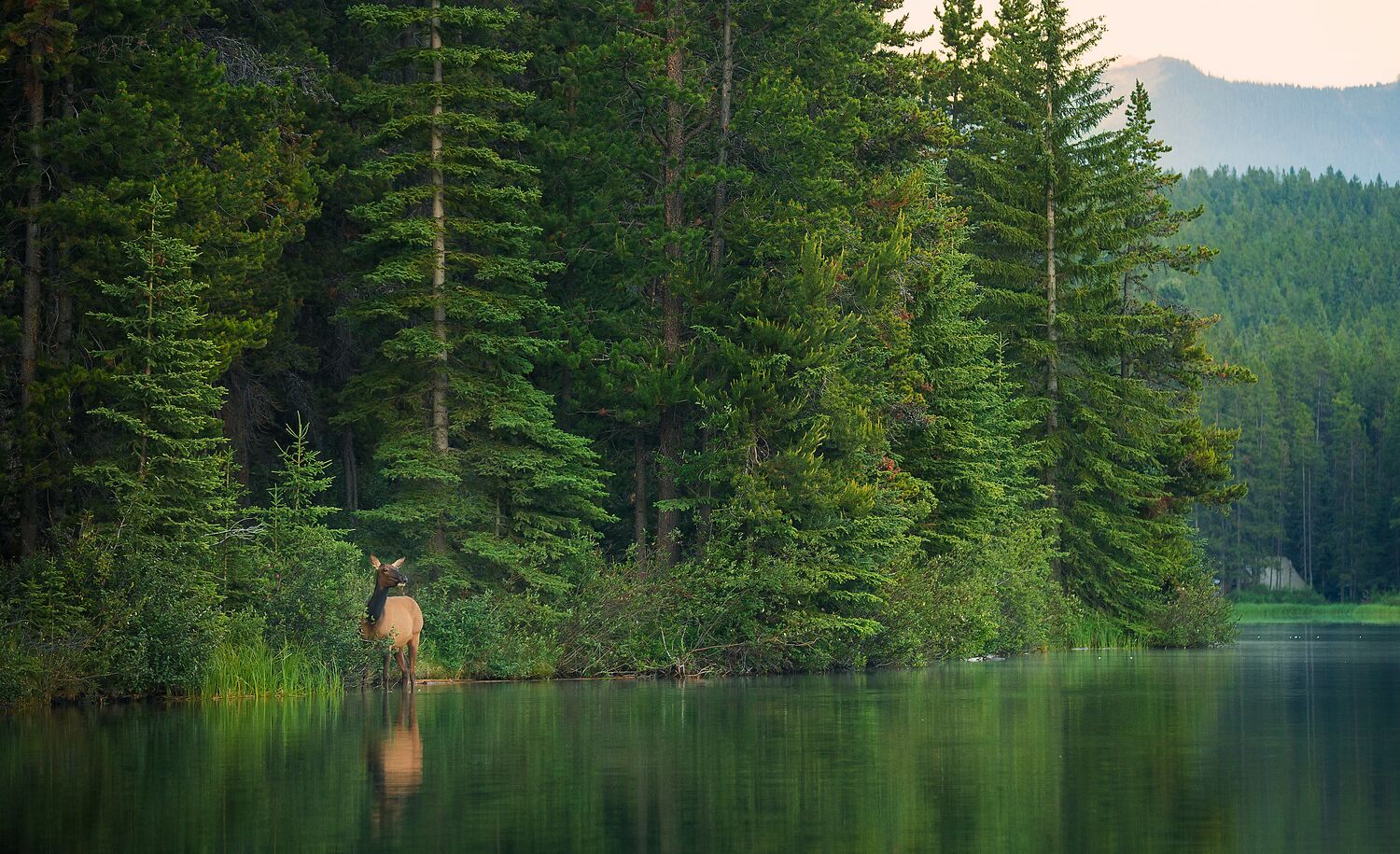
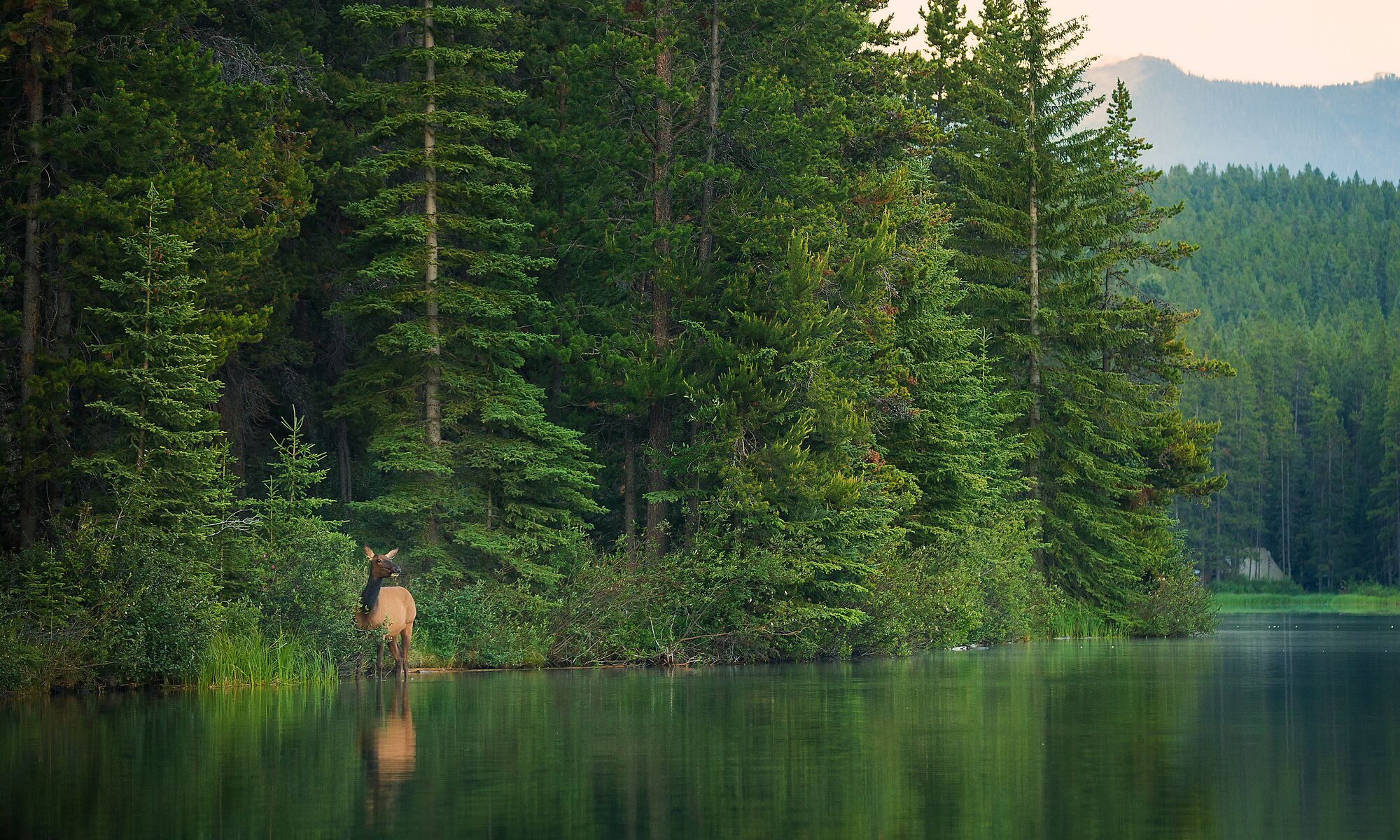
One of the most unforgettable parts of visiting Banff and Lake Louise in the Canadian Rocky Mountains is the chance to see wildlife. Watching a bear and her cubs graze on spring dandelions, spotting a fox moving quietly along a lakeshore, or seeing an elk pause at a pedestrian crossing is a powerful reminder of just how lucky we are to share this place.
Moments like these are what make wildlife viewing in Banff National Park and the surrounding mountains so special and worth protecting. When you travel thoughtfully and make wildlife-friendly choices, you help keep animals wild and safe, protecting the very moments you came here to experience.
During your stay, you’ll notice clear signs that humans are guests in this landscape. Here’s how to enjoy incredible wildlife moments while helping protect the animals that call the Canadian Rocky Mountains home, all part of travelling in Park Mode.
What’s in the Guide:
- Why Protecting Wildlife Means a Better, Safer Visit for You.
- What You Can do to Keep Wildlife Wild in Banff and Lake Louise.
- How Parks Canada Protects Wildlife in Banff National Park.
- What to do if You Encounter Wildlife in Banff National Park.
- Switching into Park Mode in Banff National Park.
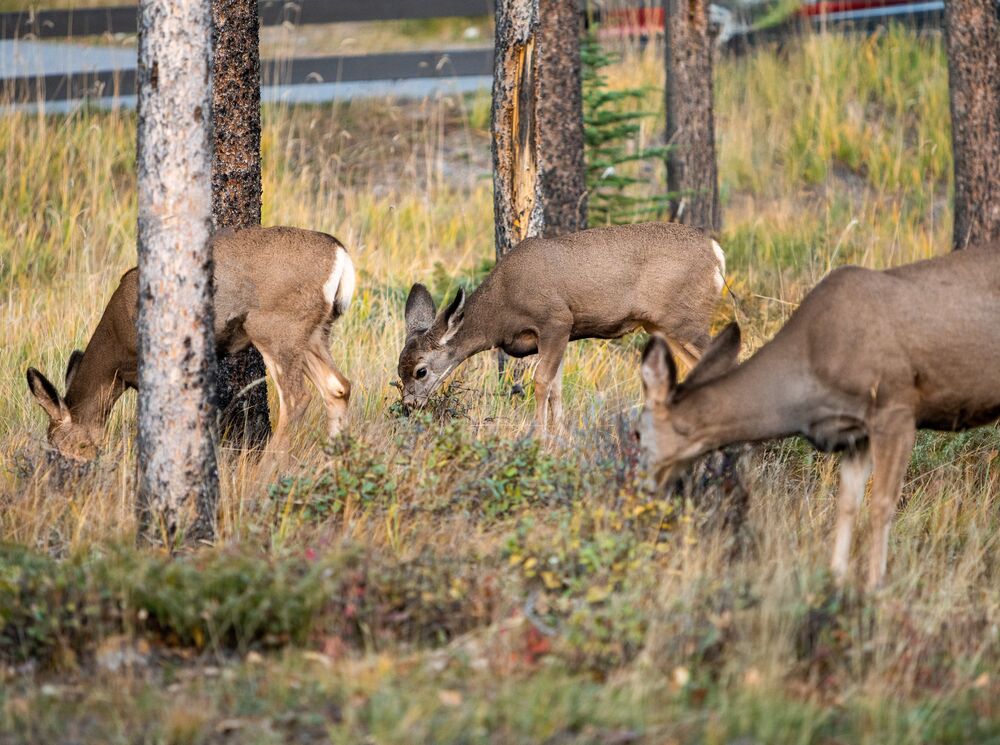
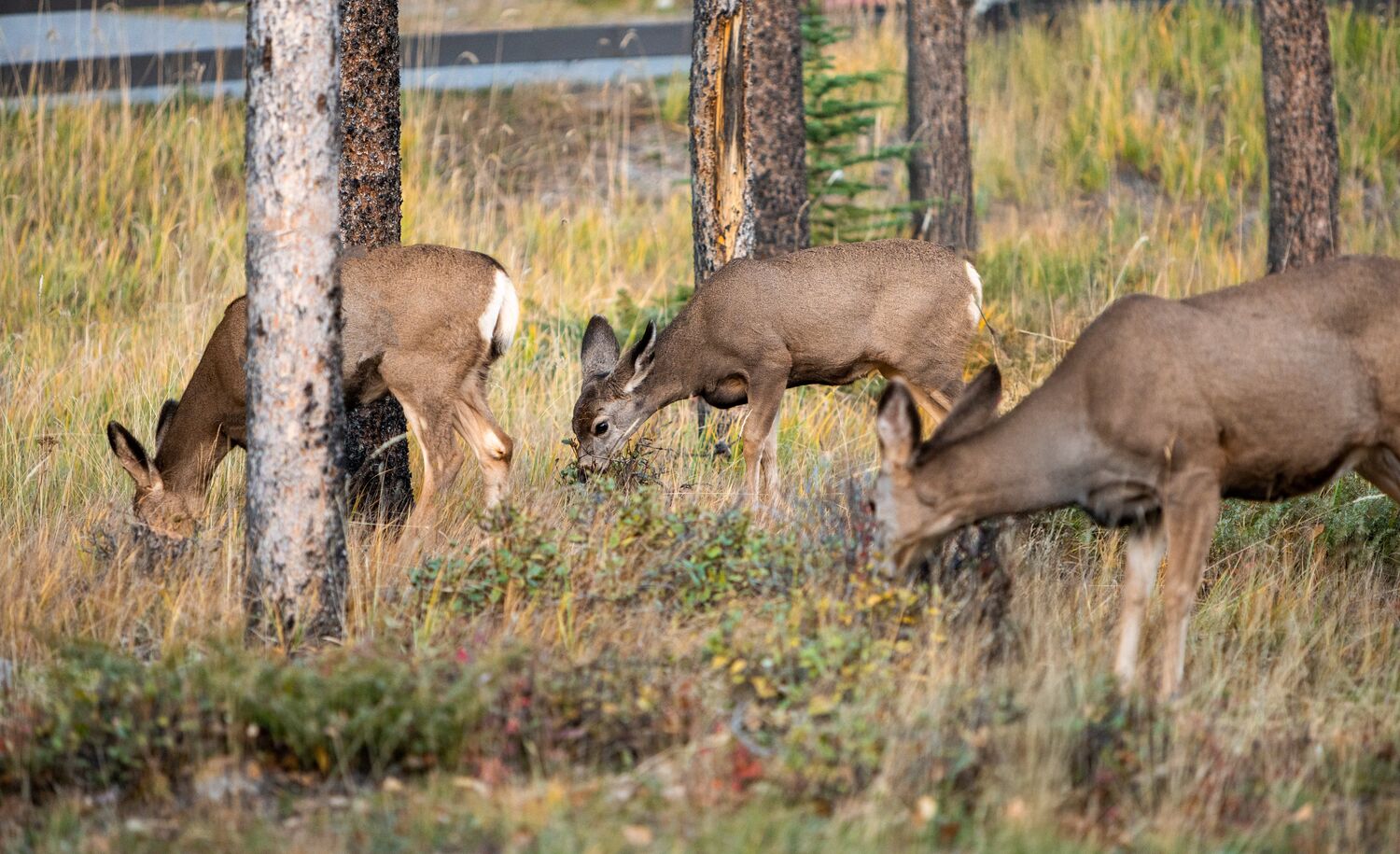
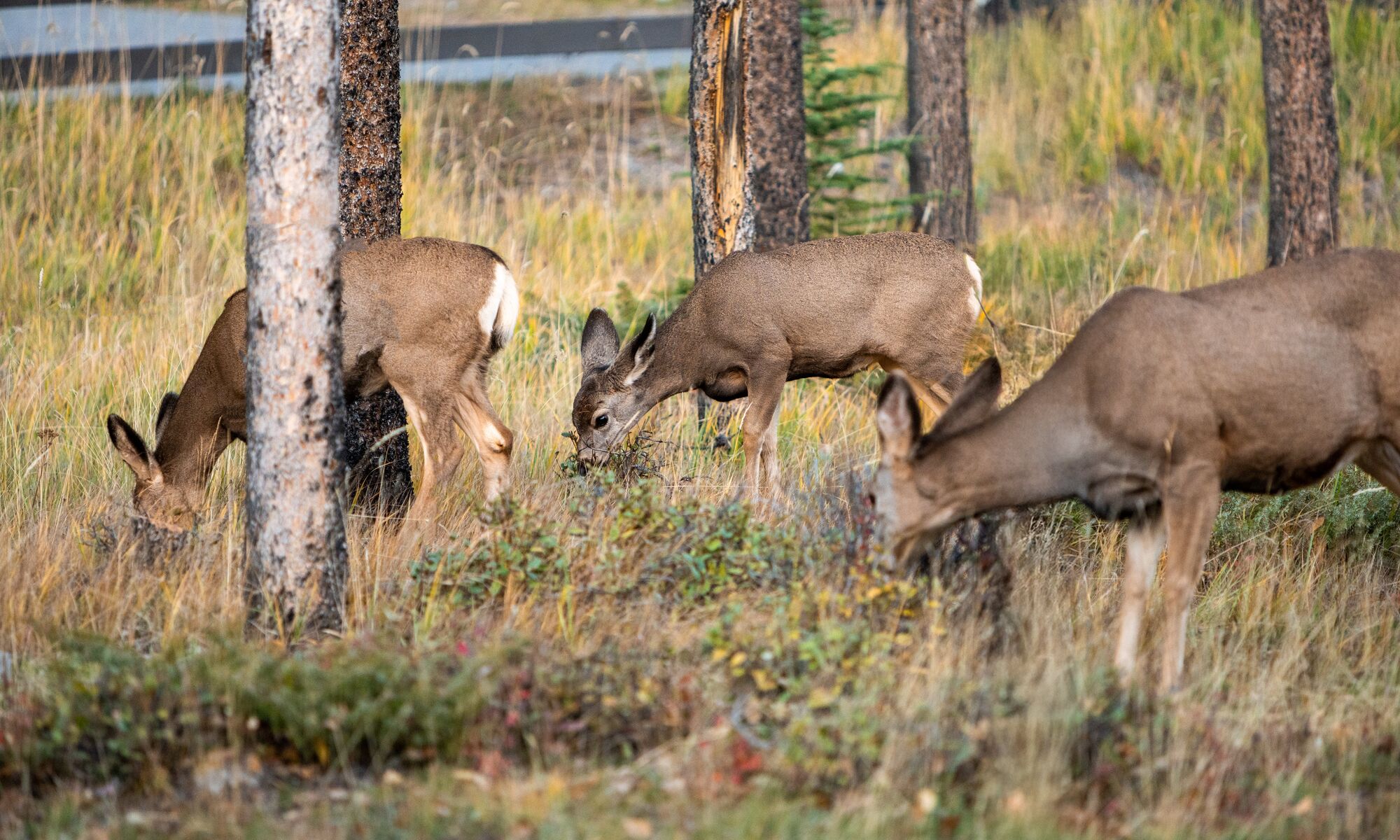
Why Protecting Wildlife Means a Better, Safer Visit for You
When you visit Banff National Park you are entering a space that is shared with wildlife. Roads, trails, viewpoints, and lakes all overlap with animal travel routes, feeding areas, and seasonal habitats, and what happens around them changes how wildlife moves through the park.
When animals become accustomed to people, vehicles, or food sources, the consequences are real and often irreversible. Habituated wildlife may spend more time near roads or townsites, abandon natural feeding areas, or react unpredictably to people. These shifts increase the risk of collisions, conflict, and management interventions that can lead to area closures or worse.
Wildlife that can stay wild are more likely to remain out on the landscape, behaving naturally and safely, reducing disruptions, keeping areas open, and protecting the sense of place that brings people to Banff and Lake Louise in the first place.
What You Can Do to Keep Wildlife Wild in Banff and Lake Louise
What you do during your visit matters. Small, everyday choices can shape how wildlife behaves, and whether animals remain healthy, wary, and part of the natural landscape.
When wildlife doesn’t associate people with food or close contact, they’re better able to move, feed, and behave naturally. These small actions help reduce conflict, keep animals safe, and preserve the experience you’re here to enjoy.
How you Can Keep Wildlife Wild:
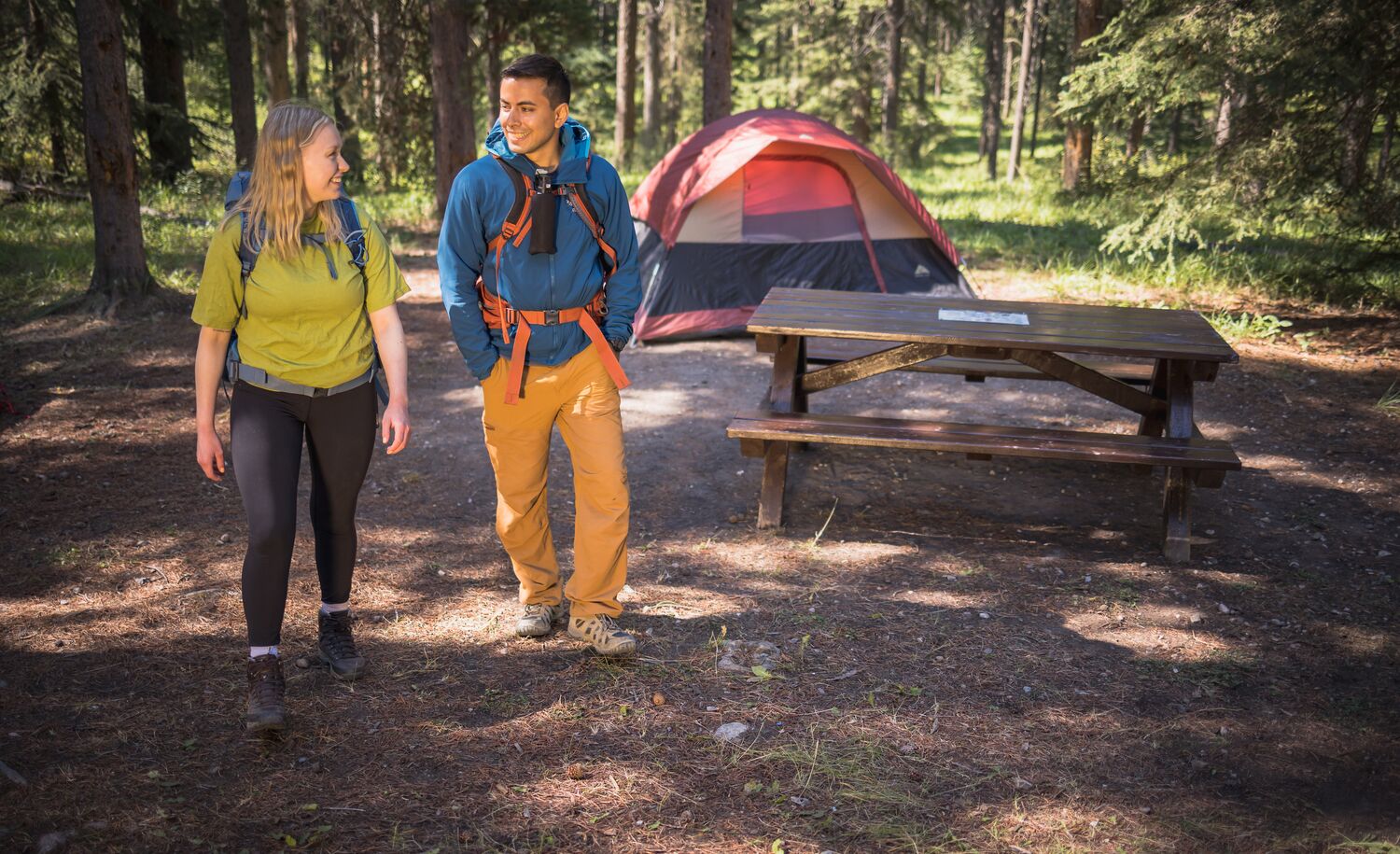
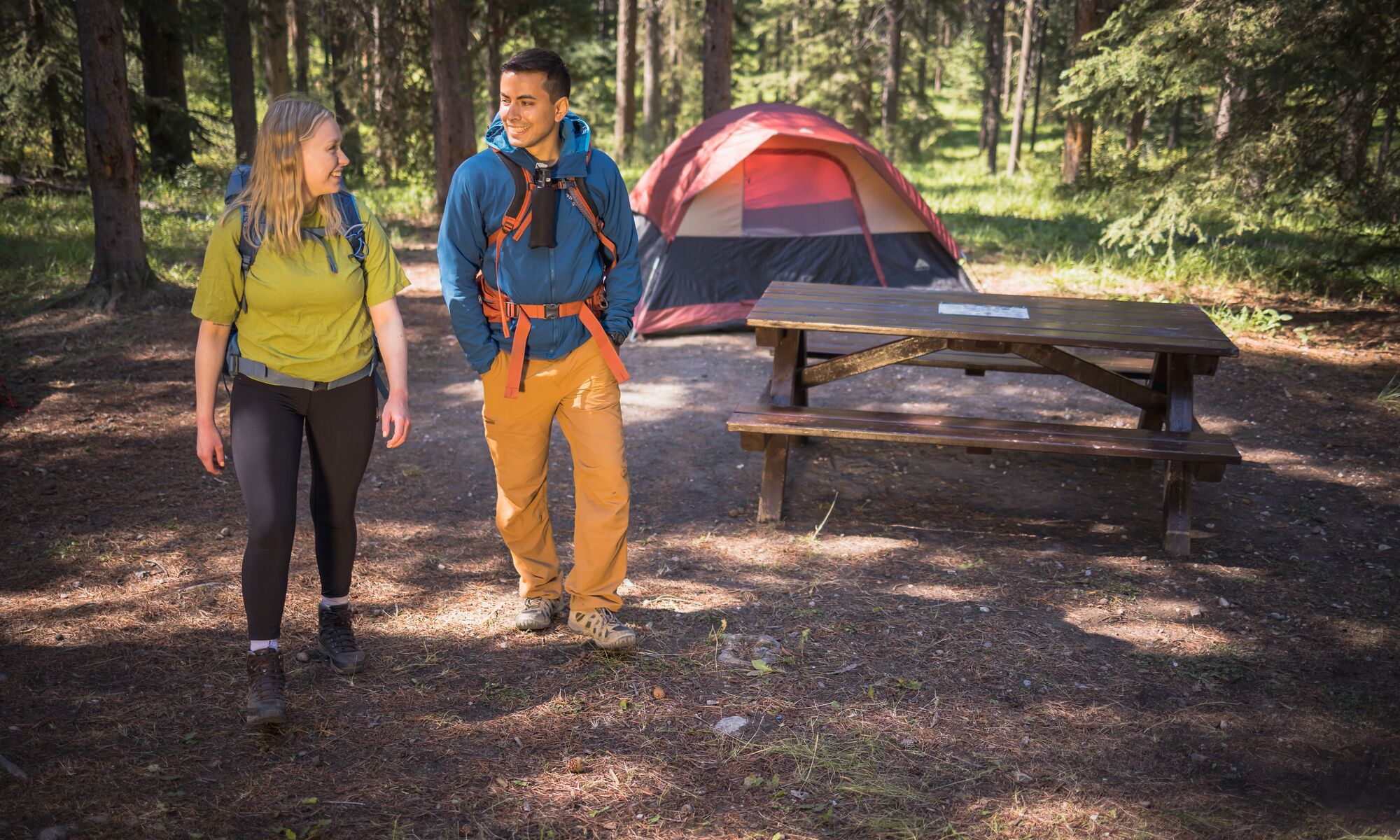
Manage Food and Garbage Properly
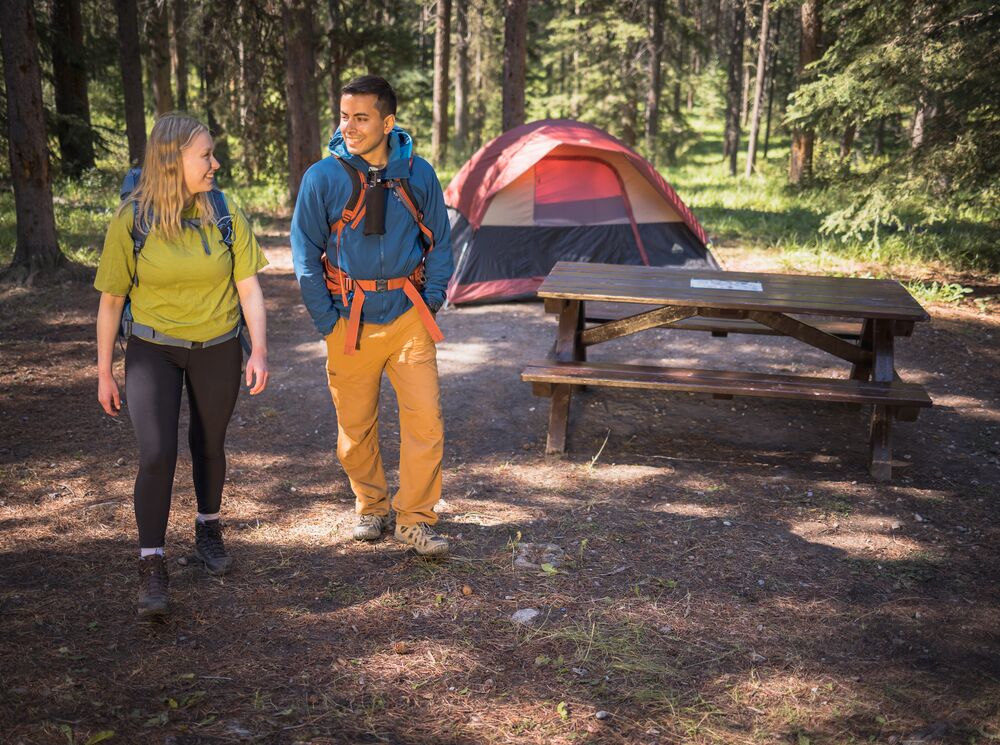
Food and food smells are one of the primary ways wildlife becomes drawn to people. Even small scraps or unattended snacks can teach animals to associate busy places, trails, picnic sites, and campgrounds with easy meals.
When hiking in Banff National Park, pack out everything you brought in with you. Many trails do not have waste bins, and food scraps, even biodegradable items like fruit peels, can attract wildlife. Carry all food and waste out and dispose of it later in a bear‑proof garbage or recycling bin.
At picnic sites, only have food out when you are actively eating. Wildlife often approaches when people step away to take photos, relax nearby, or start packing up but leave food on tables or blankets. Before you leave, take a moment to check the entire area for crumbs, wrappers, or packaging that may have fallen.
When camping, store all food, garbage, and scented items securely at all times:
- Do not store food in your tent.
- At car campsites, store food in your vehicle.
- At walk‑in campsites, use the provided bear lockers.
These storage habits help prevent wildlife from associating campsites and picnic areas with food, keeping animals wild and reducing the risk of conflict.
Three Actions you Can Take:
- Pack out everything when hiking, leave no food or waste behind.
- Only have food out when you’re actively eating.
- Dispose of garbage and recycling in bear‑proof bins.
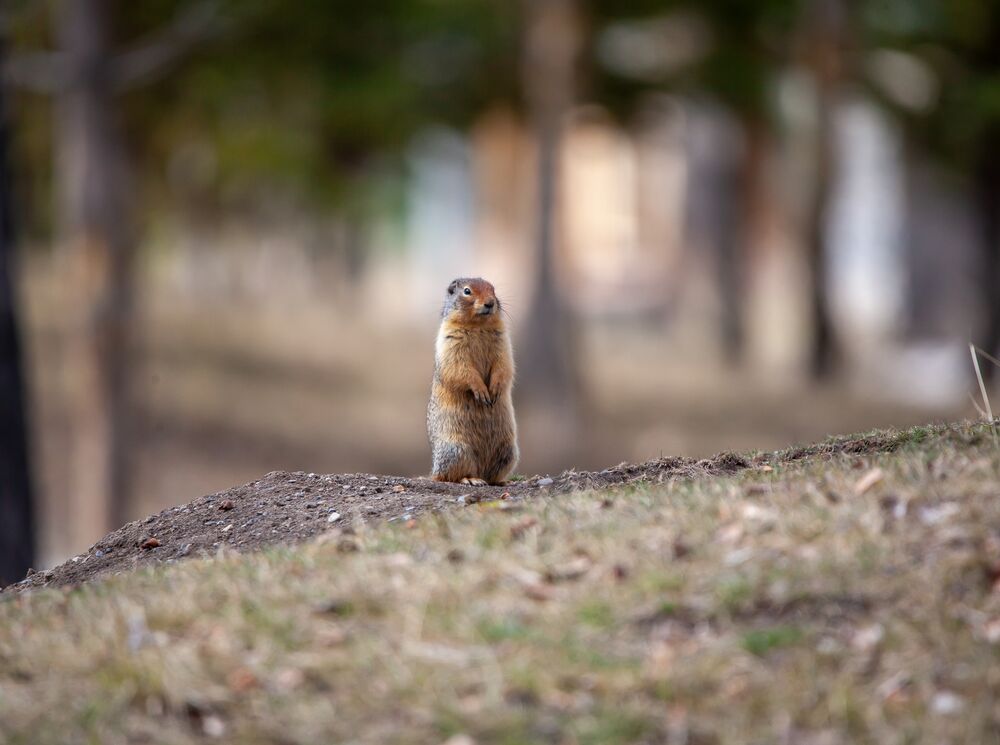
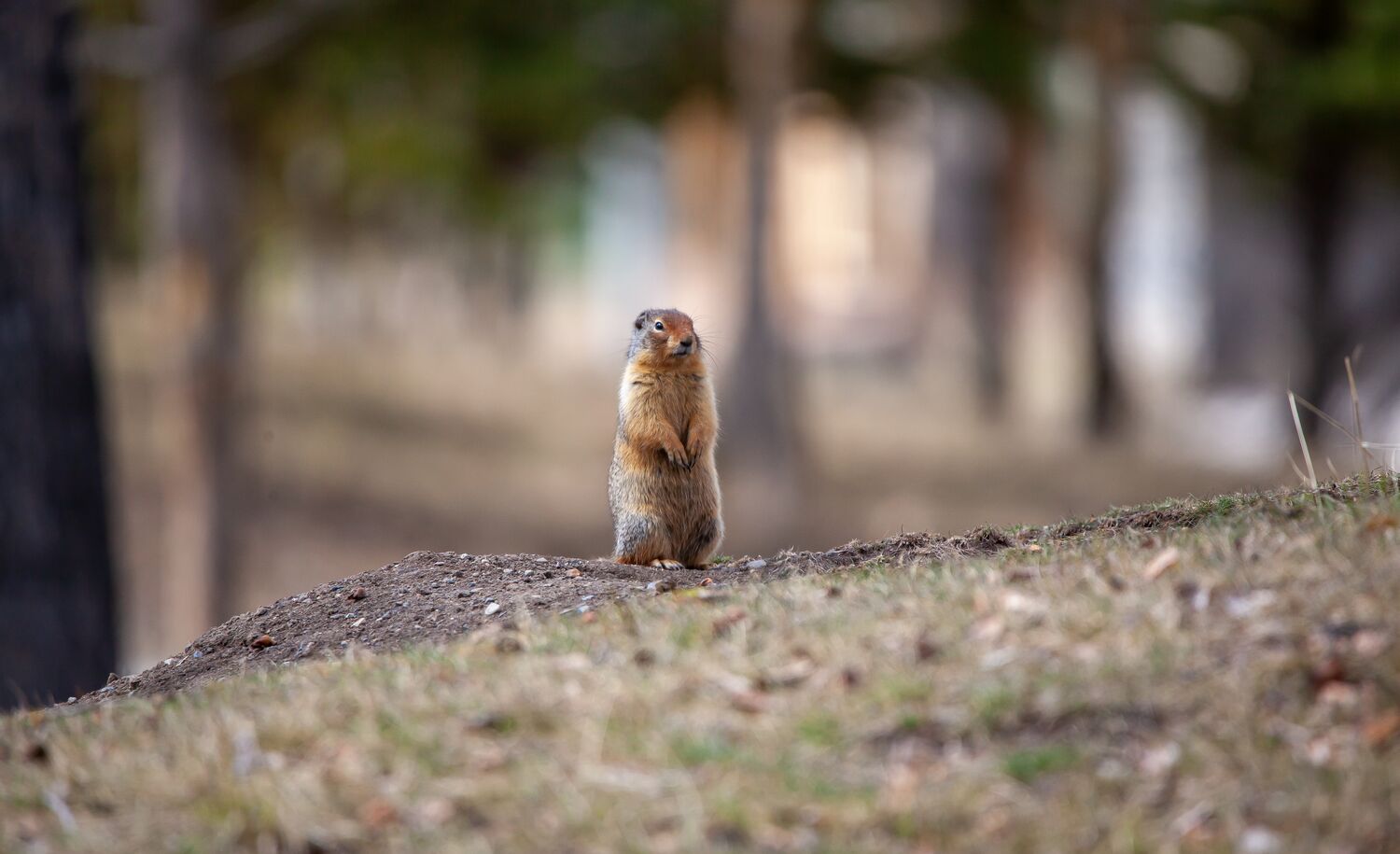
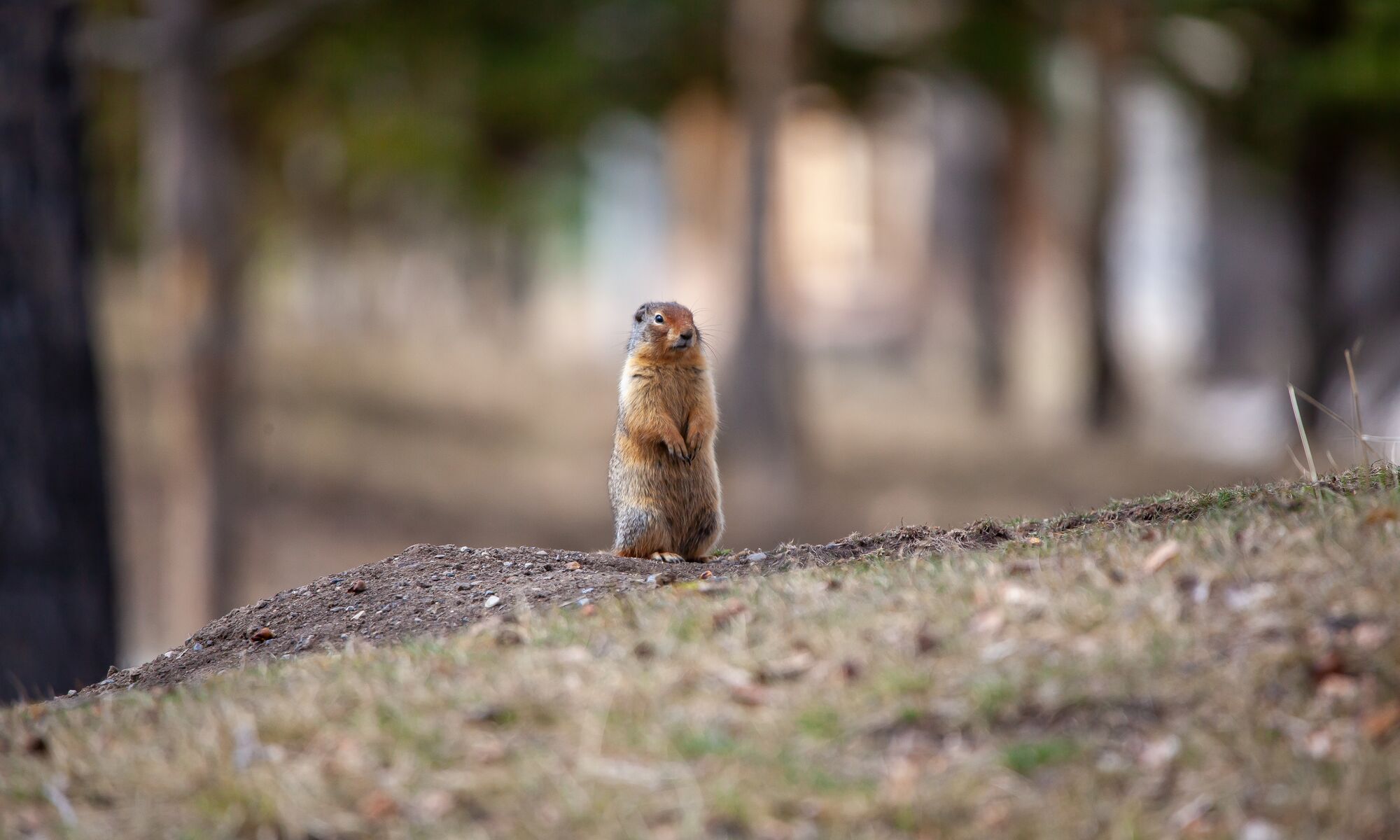
Never Feed Wildlife
Even offering a small snack can teach animals to associate people with food, encouraging them to approach visitors, picnic areas, and trails. Animals that lose their natural fear of humans are more likely to behave aggressively or dangerously around roads, campsites, and busy areas.
When wildlife relies on human food, it can disrupt natural diets, reduce the ability to forage, and alter movement patterns. Over time, this can lead to animals becoming sick, needing to be relocated or removed, and in some cases dying.
Three Actions You Can Take:
- Never feed wildlife.
- Do not leave crumbs or food scraps behind.
- Dispose of food waste properly.
Keep Pets on a Leash
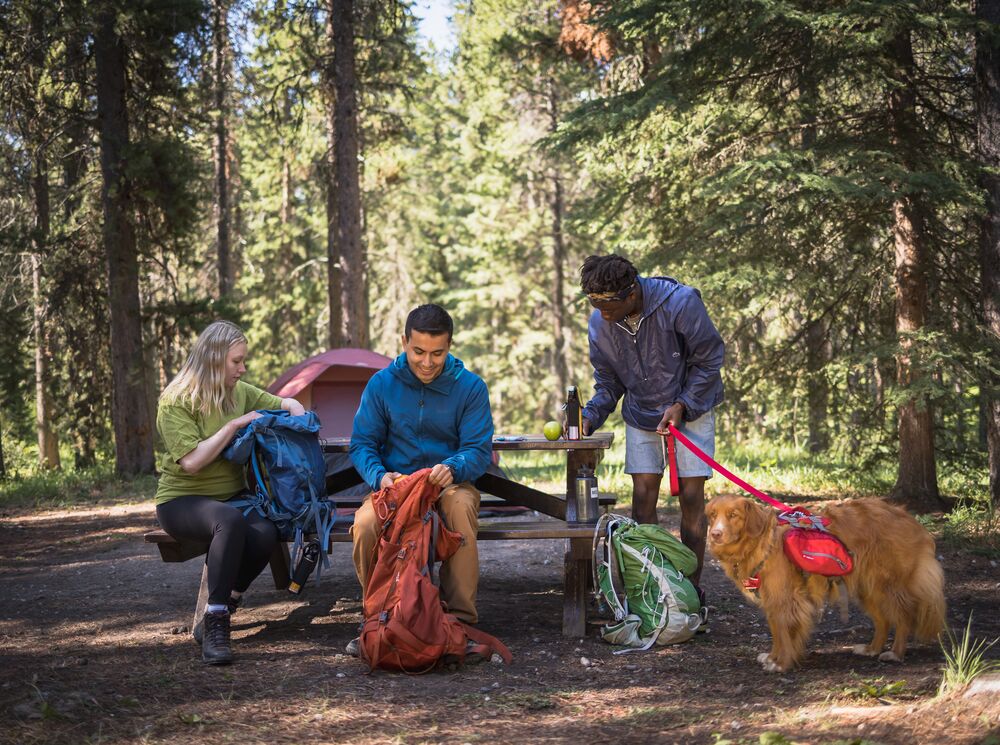
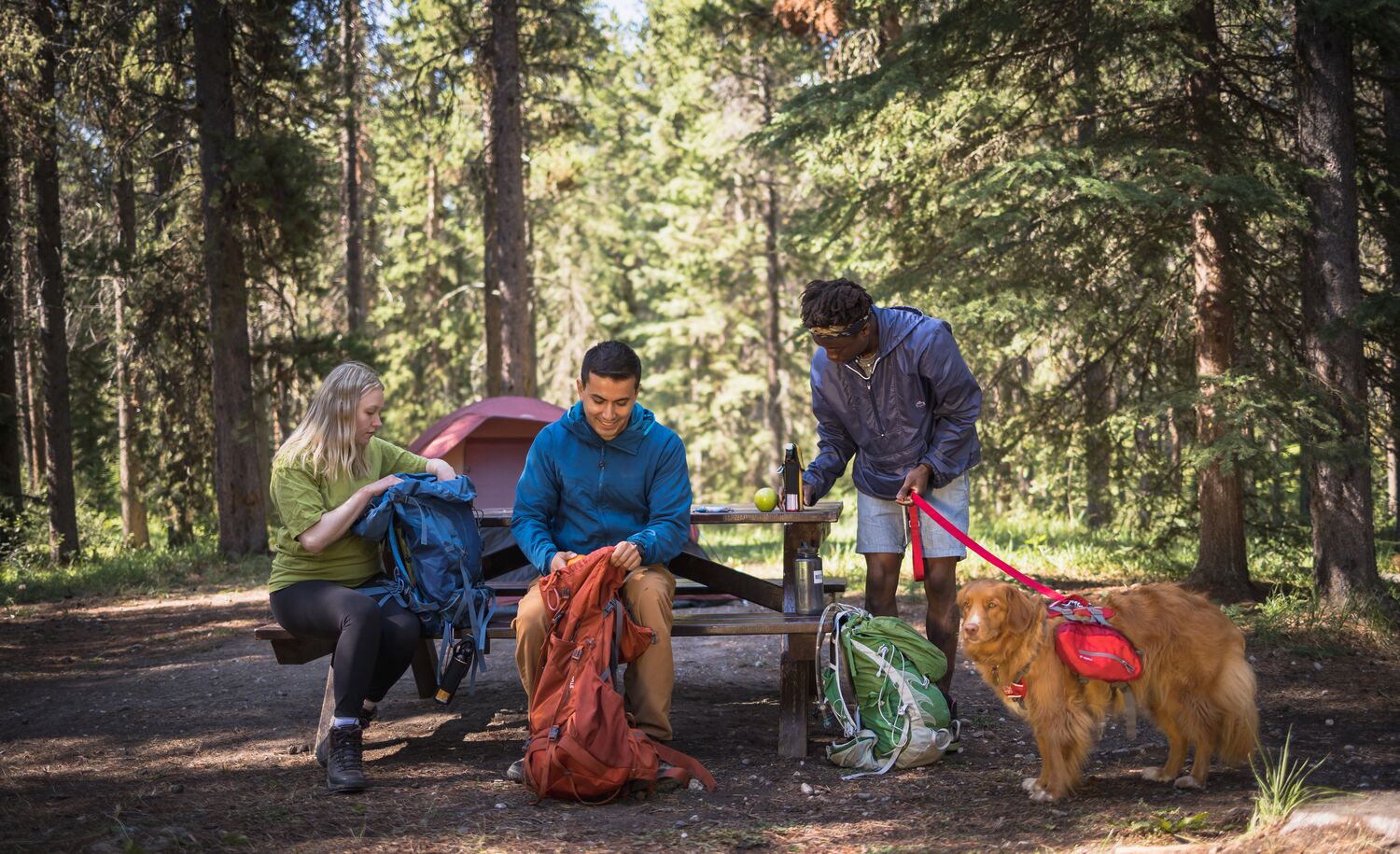
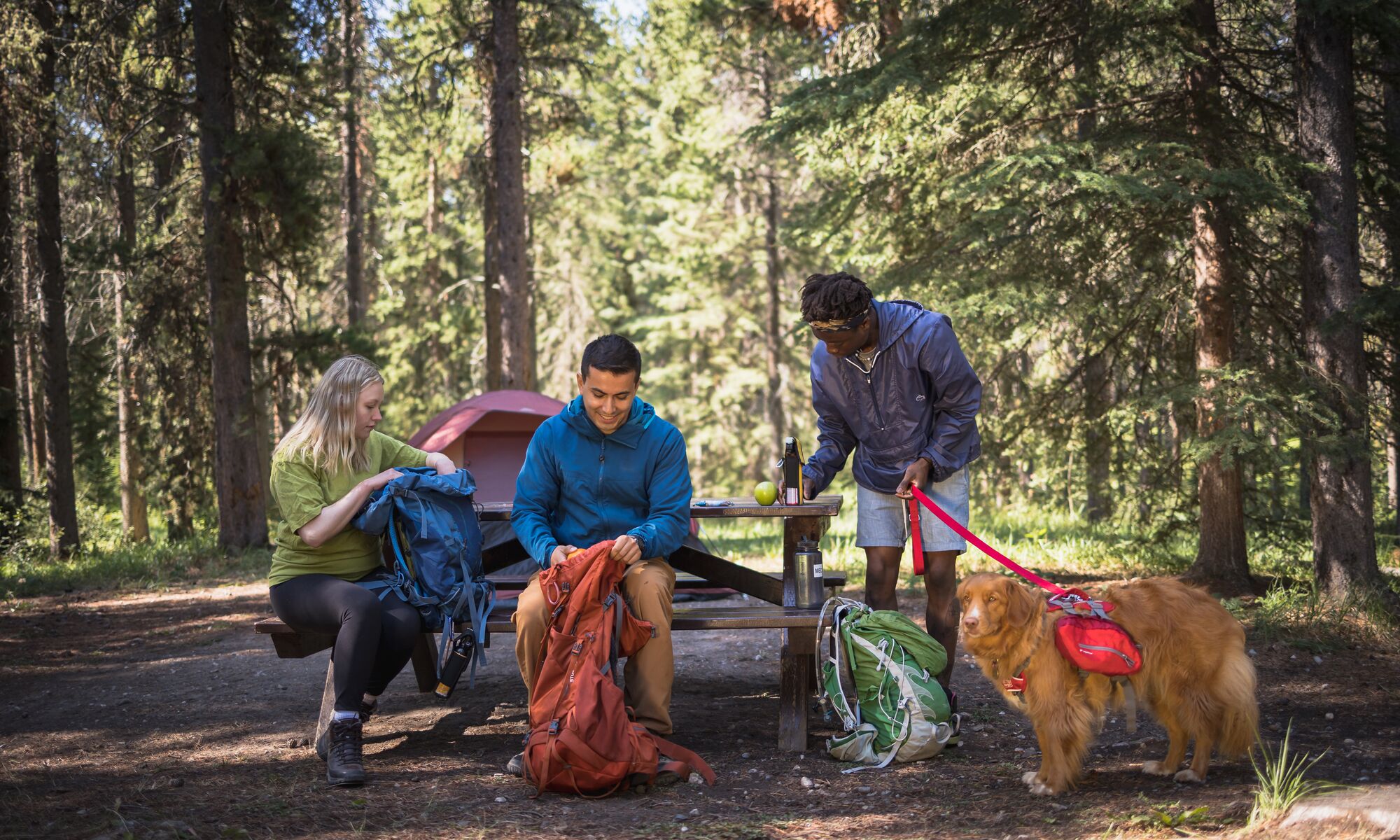
Keeping your pet on a leash helps protect your pet. Off‑leash pets can quickly find themselves in dangerous situations, unexpected encounters with large wildlife, steep terrain, or busy roadways can put them at serious risk.
Leashing your pet also reduces stress on wildlife and prevents animals from being chased or drawn closer to people. Even brief pursuits can trigger defensive behaviour or alter natural movement patterns, increasing the likelihood of conflict.
In Banff National Park, pets must be kept on a leash at all times outside designated off‑leash areas. There are off leash dog parks in the town of Banff and village of Lake Louise.
Keeping your pet leashed is a simple way to protect your pet while helping wildlife stay wild, so both can safely coexist during your visit.
Three Actions you Can Take:
- Keep pets on a leash at all times.
- Keep pets under your physical control.
- Stay a safe distance from all wildlife.
How Parks Canada Protects Wildlife in Banff National Park
Banff National Park, which encompasses Banff and Lake Louise, has measures in place to support healthy ecosystems and help people and wildlife share the landscape safely.
Parks Canada manages speed limits, provides bear‑proof waste and food storage, have built designated wildlife crossings and uses clear signage, around things like seasonal area closures, to guide you during your visit. These efforts work together to protect wildlife, and they’re most effective when you do your part as well.
How Parks Canada Protects Wildlife:


Wildlife Proof Garbage Bins
Wildlife‑proof garbage and recycling bins are designed to keep animals from accessing human food. Found throughout Banff and Lake Louise, these bins are a key part of ensuring animals rely on natural food sources.
The bins use a secure latch and weighted lid that’s easy for people to operate correctly but difficult for wildlife to pry open. To use them, place your hand inside the latch, push it up to release, then lift the lid. Once you’ve disposed of your items, make sure the lid closes fully and the latch drops back into place.
Taking a moment to fully close the bin makes a real difference. It helps keep wildlife from learning that people and high‑use areas are a source of food, supporting healthier ecosystems across the park. And if you’re unsure how to use a bin, it’s always better to ask for help than to leave garbage behind.
Seasonal and Hourly Area Closures
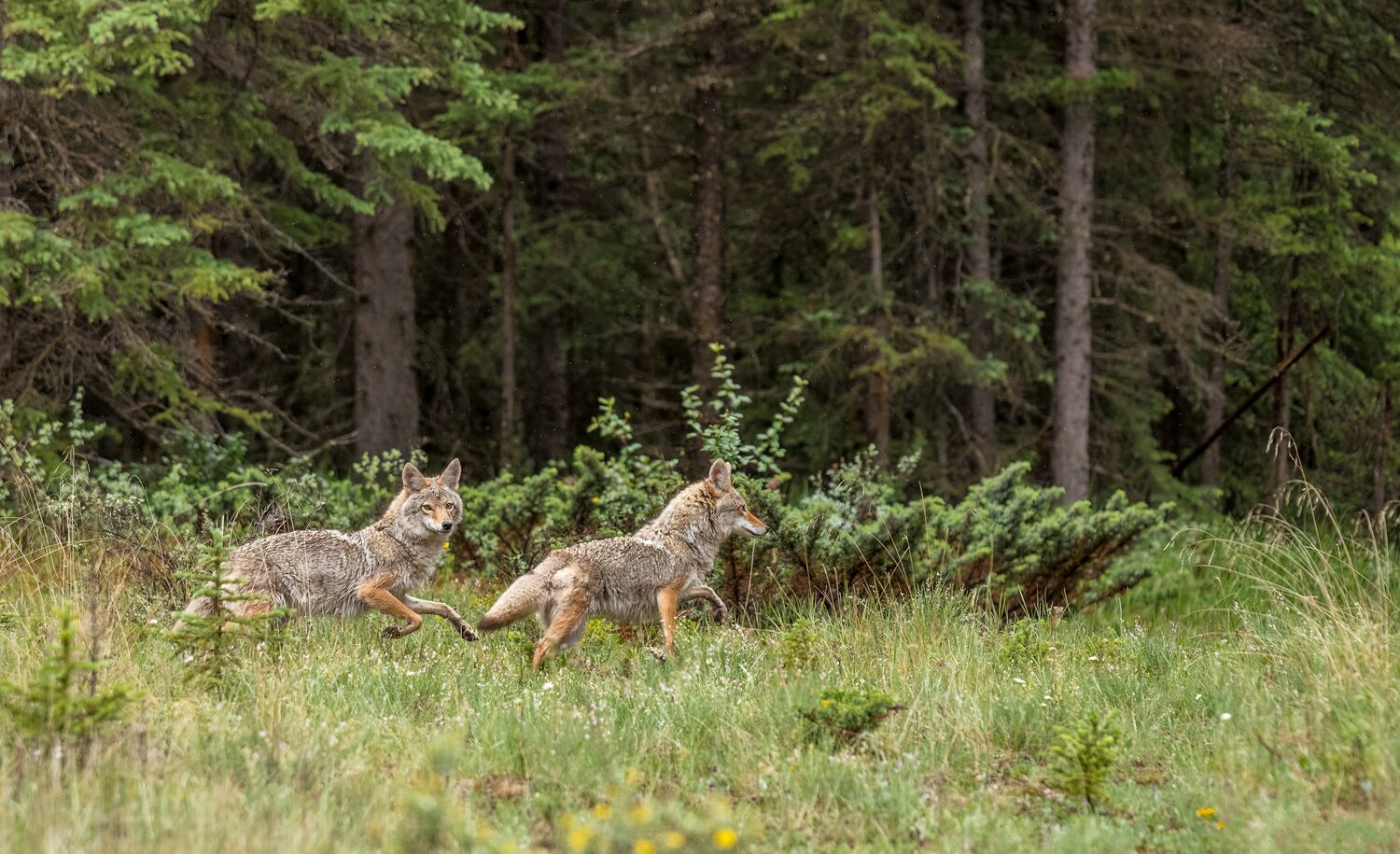
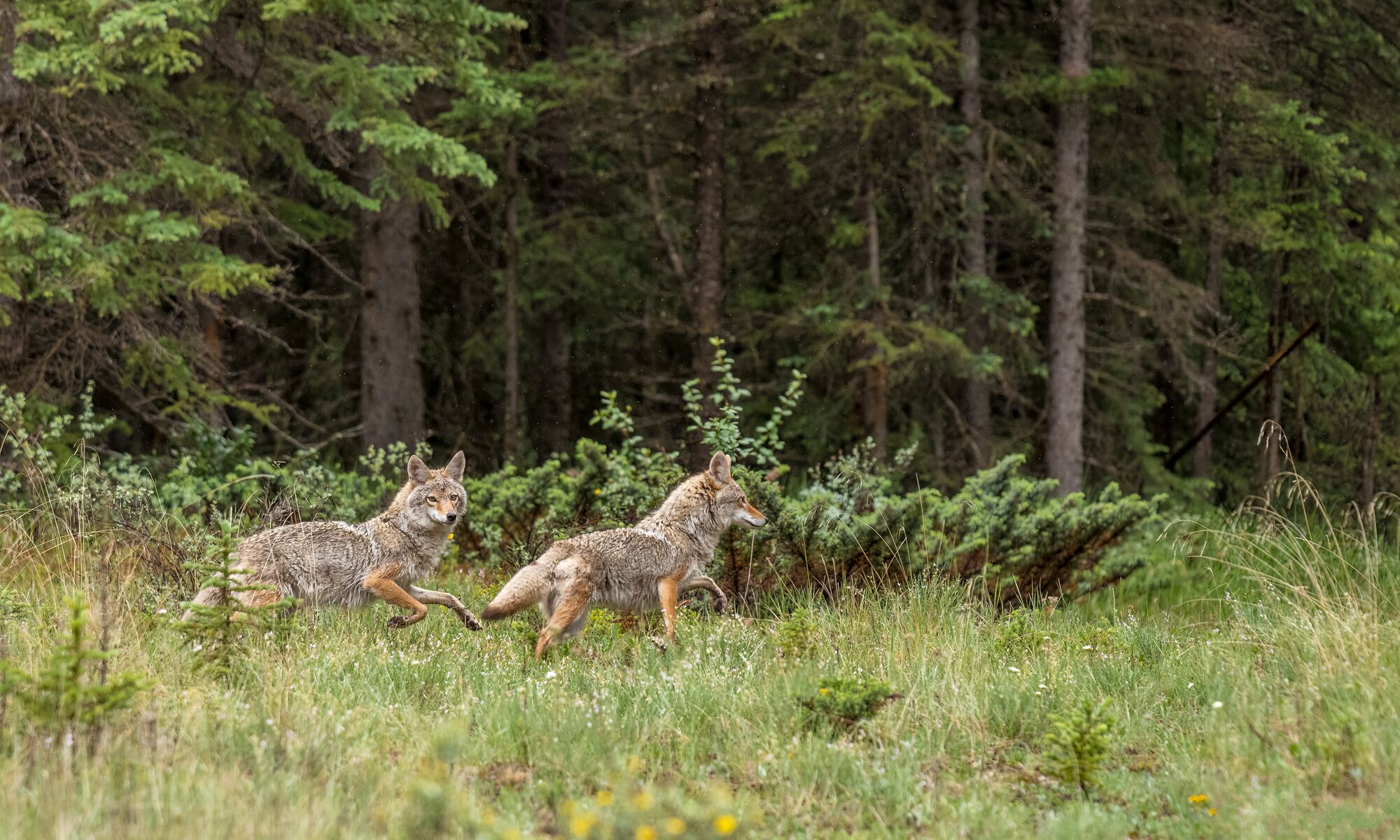
Seasonal and hourly area closures are put in place to give wildlife the space they need during important times of the year, such as feeding, breeding, and movement periods. These temporary closures help reduce stress on animals and limit close encounters with people during sensitive times of day or seasons.
By respecting posted closures, you’re helping wildlife move naturally through their habitat and supporting long‑term efforts to keep Banff National Park healthy and wild.
Before you head out, a quick check of Parks Canada’s Banff Important Bulletins, keeps you informed of current closures and restrictions. It's a small step that goes a long way, both for your day and for the wildlife that call this place home.
Wildlife Overpasses and Underpasses
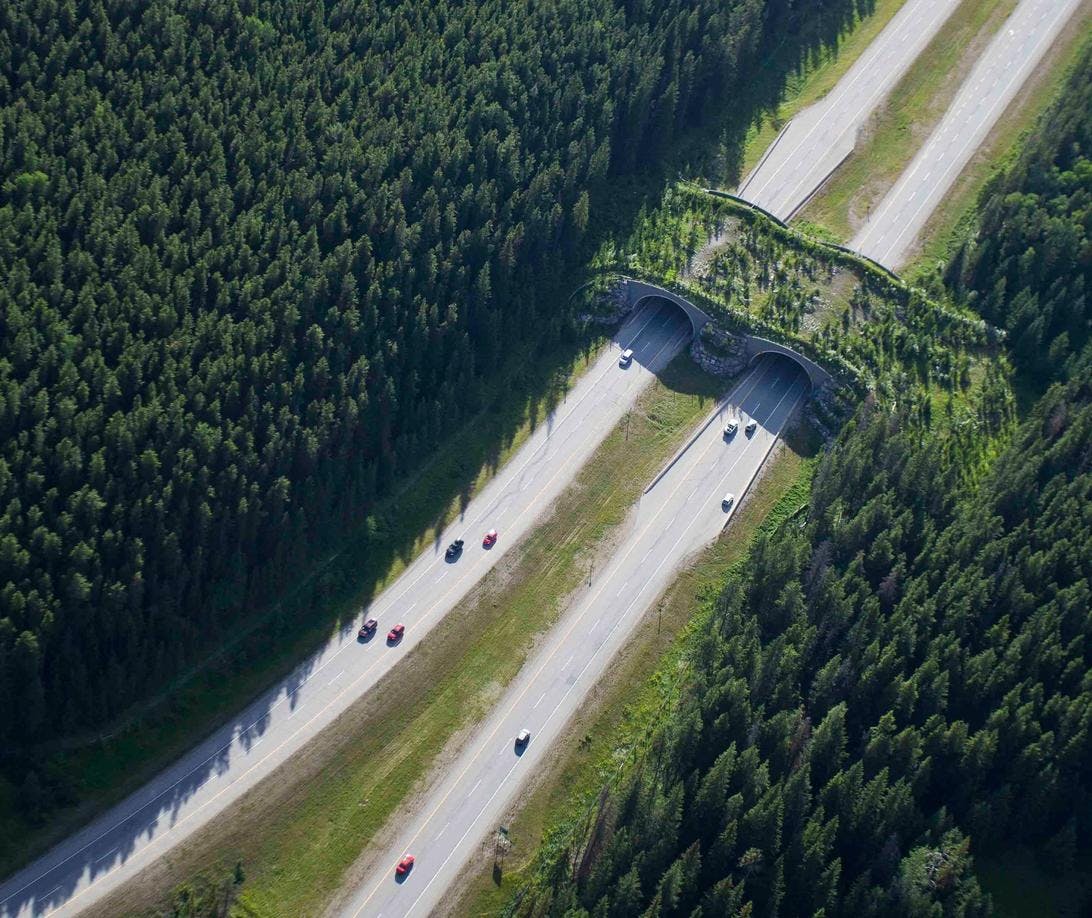
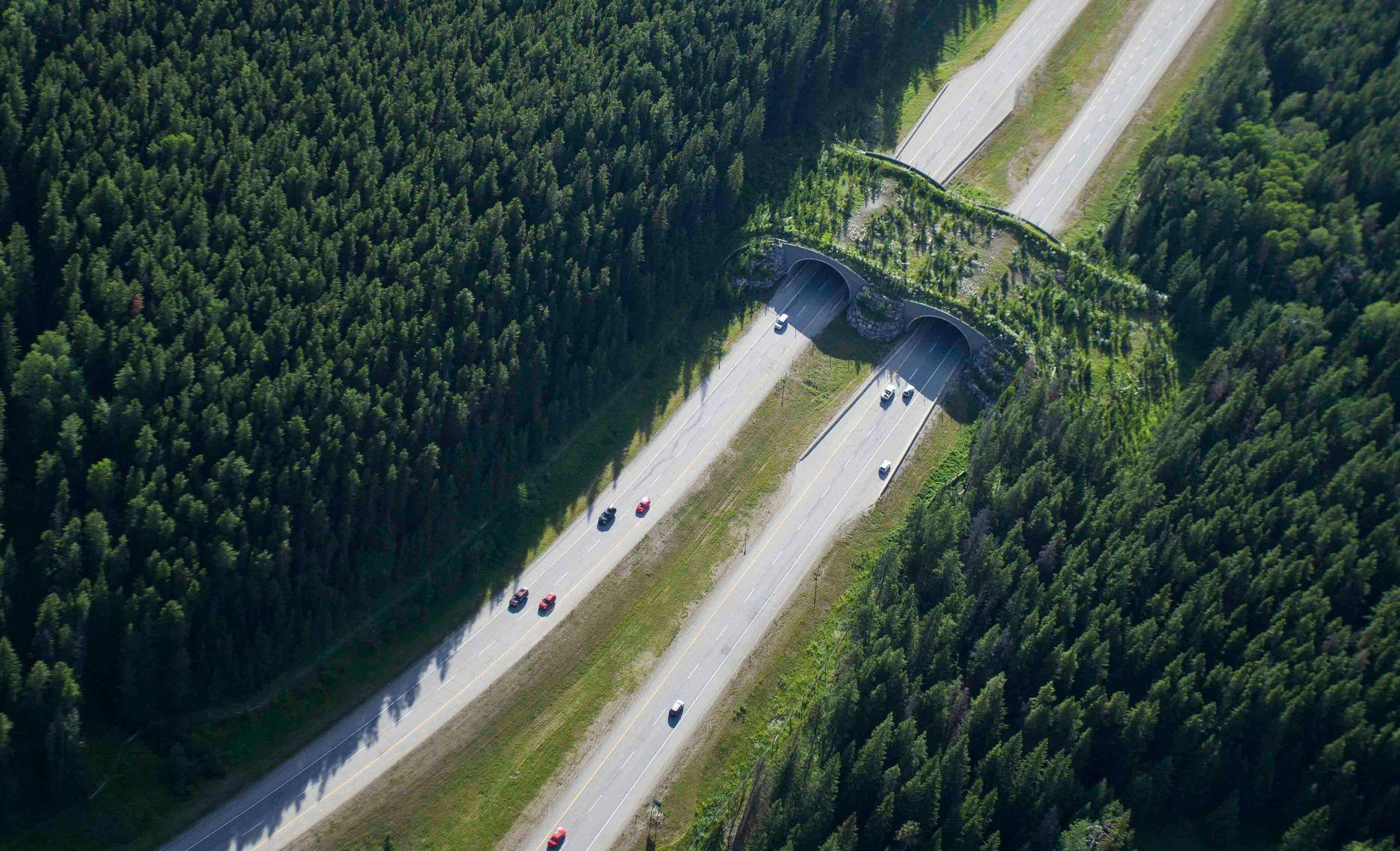
Wildlife overpasses and underpasses help animals move safely across the Trans‑Canada Highway and other busy corridors in Banff National Park, allowing them to follow natural movement routes that support healthy populations and connected ecosystems.
Banff National Park is home to 44 wildlife crossing structures, 6 overpasses and 38 underpasses, making it the most extensive wildlife crossing system in the world. Since monitoring began in 1996, researchers have documented over 200,000 wildlife crossings.
Together with fencing, these crossings have reduced wildlife‑vehicle collisions along the Trans‑Canada Highway by more than 80%, improving safety for both animals and people. Just as importantly, they help maintain genetic connectivity by allowing wildlife to move freely across the landscape.
The overpasses are intentionally designed to feel natural, with soil, native vegetation, trees, rocks, and habitat features that encourage animals to use them confidently.
Alongside driver awareness and respectful visitor behaviour, wildlife crossings play a key role in keeping Banff connected and wild.
What to do if You Encounter Wildlife in Banff National Park
Seeing wildlife is one of the most memorable parts of visiting Banff National Park, but knowing how to respond is essential for everyone’s safety.
Whether you encounter an animal from your car or while exploring on foot, giving wildlife space, acting calmly, and being prepared helps create safer situations.
The guidance below outlines what to do if you encounter wildlife while driving or during outdoor activities, so you can help protect both yourself and the animals that call the park home.
If You See Wildlife While Driving
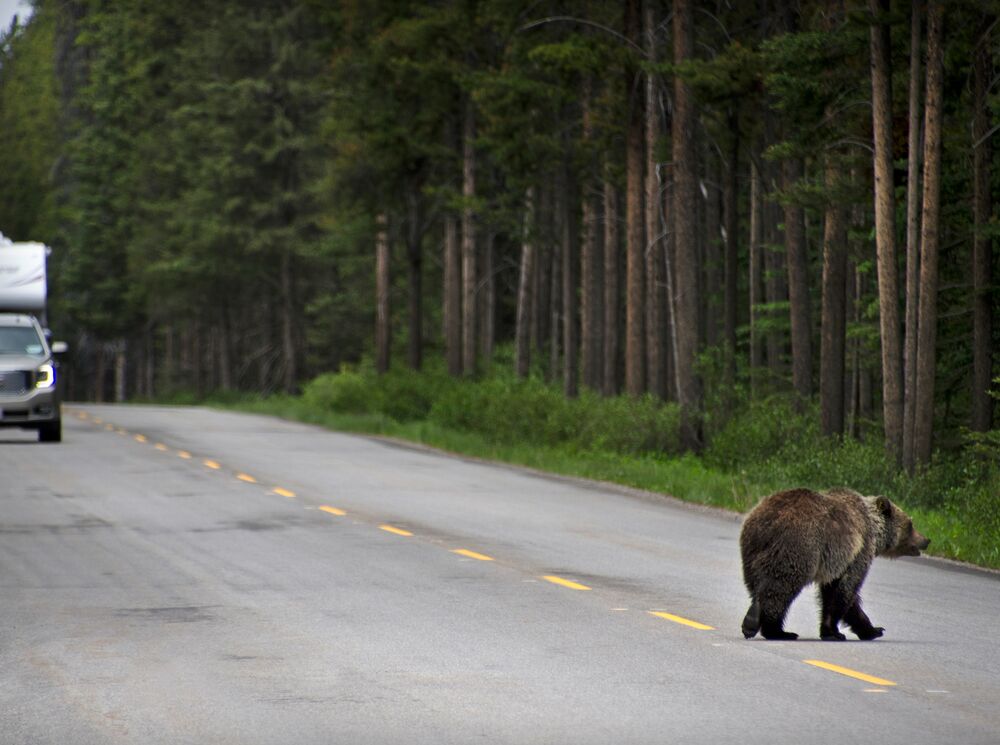
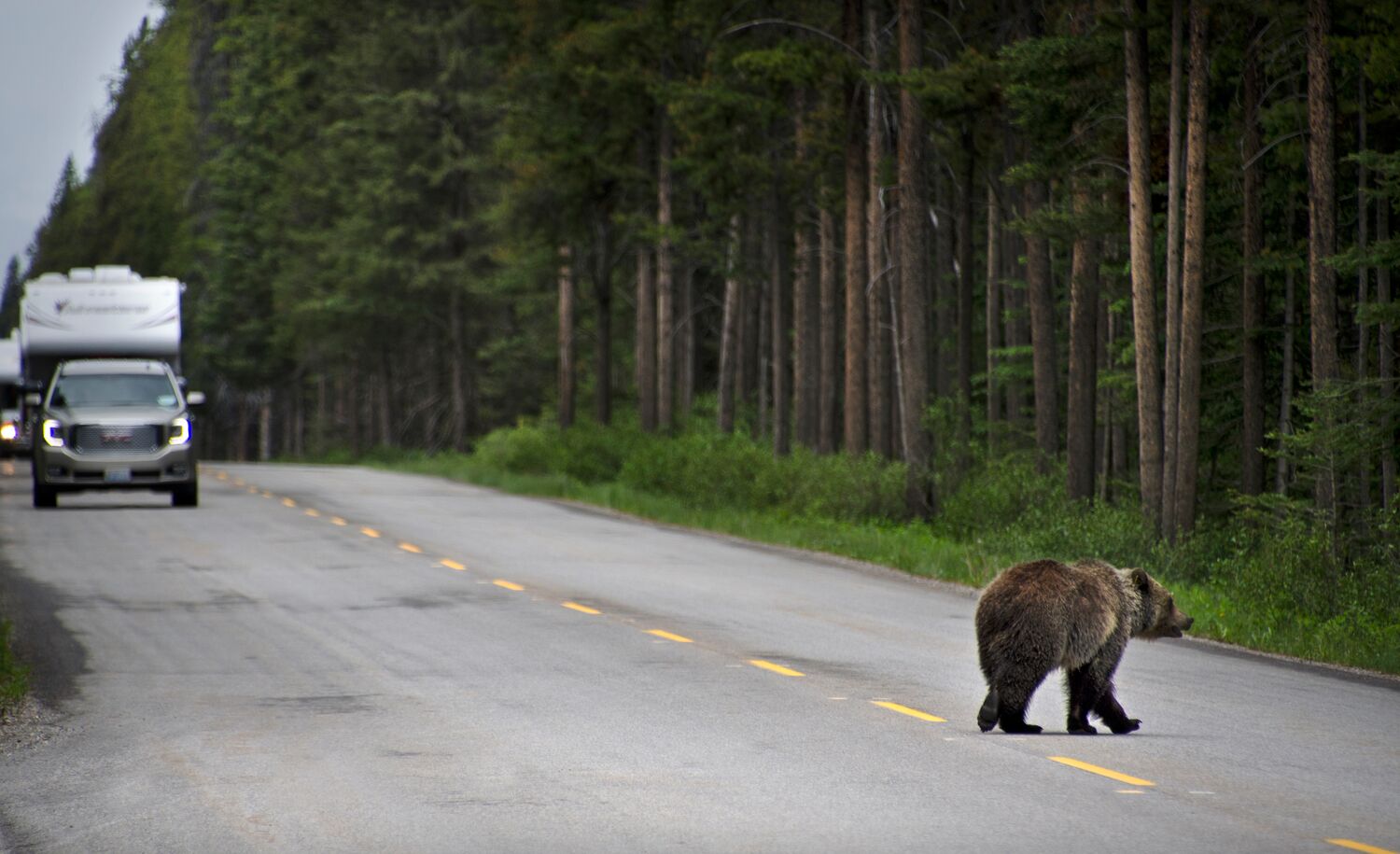
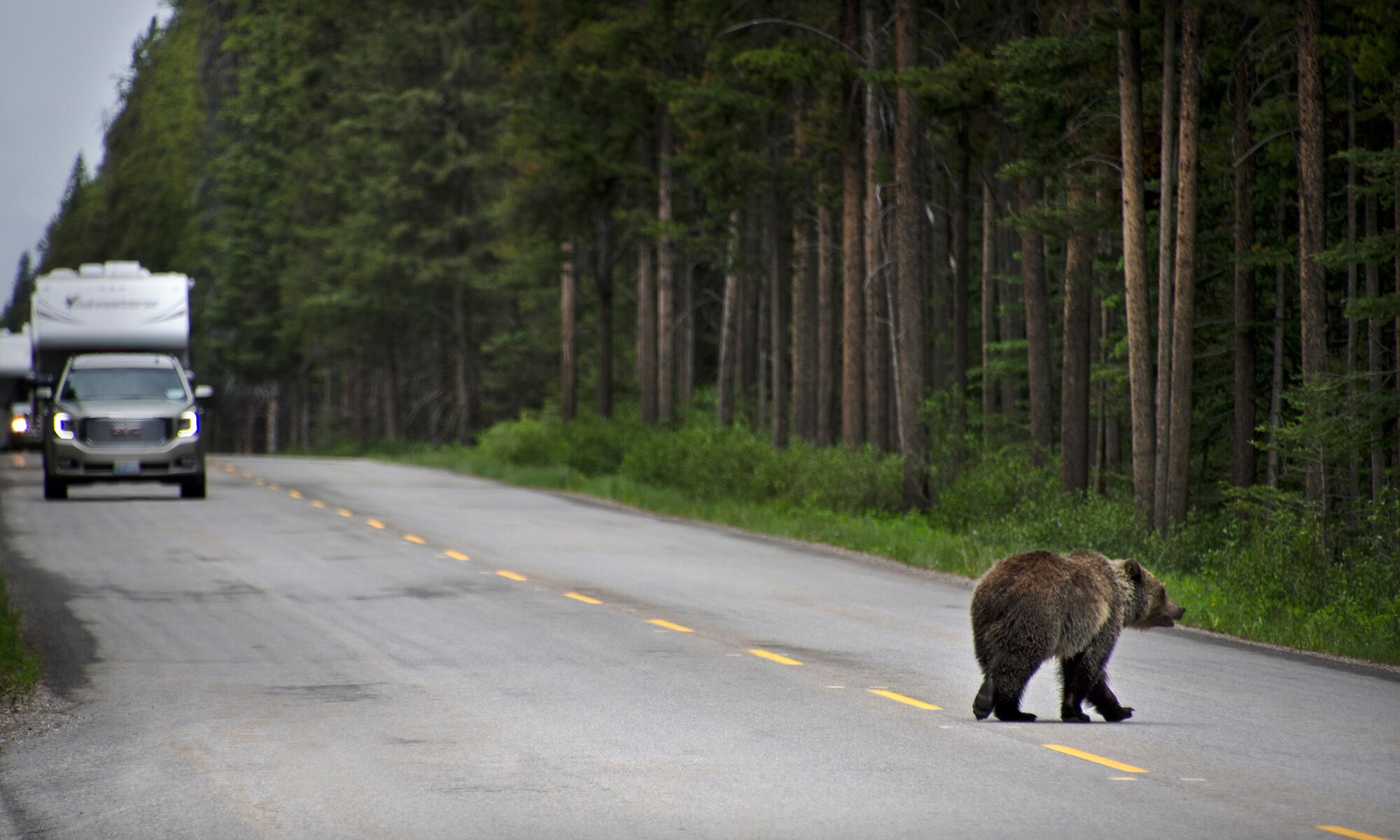
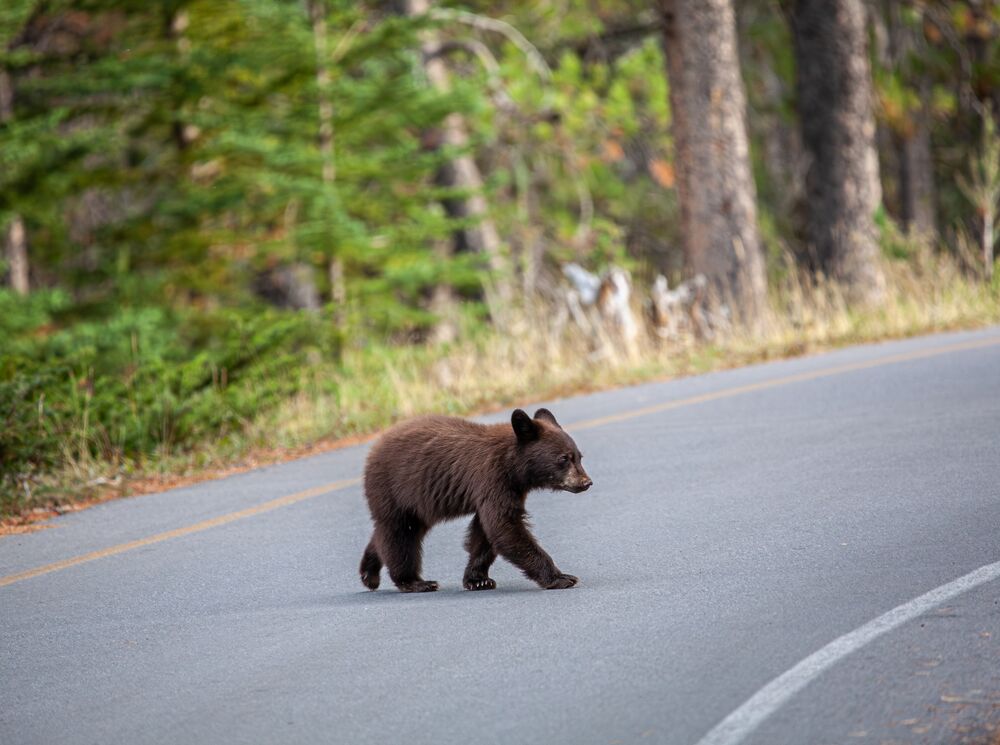
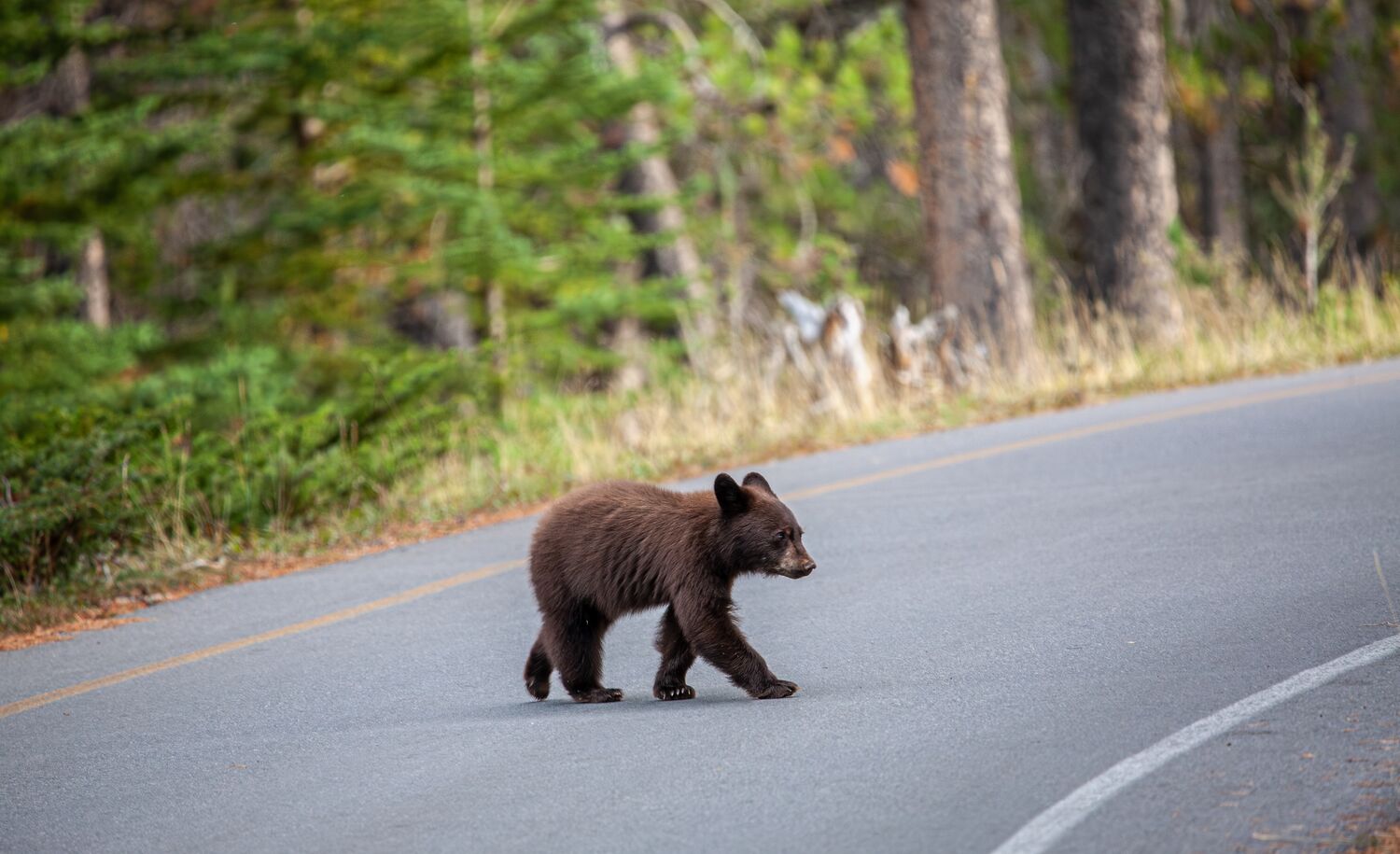
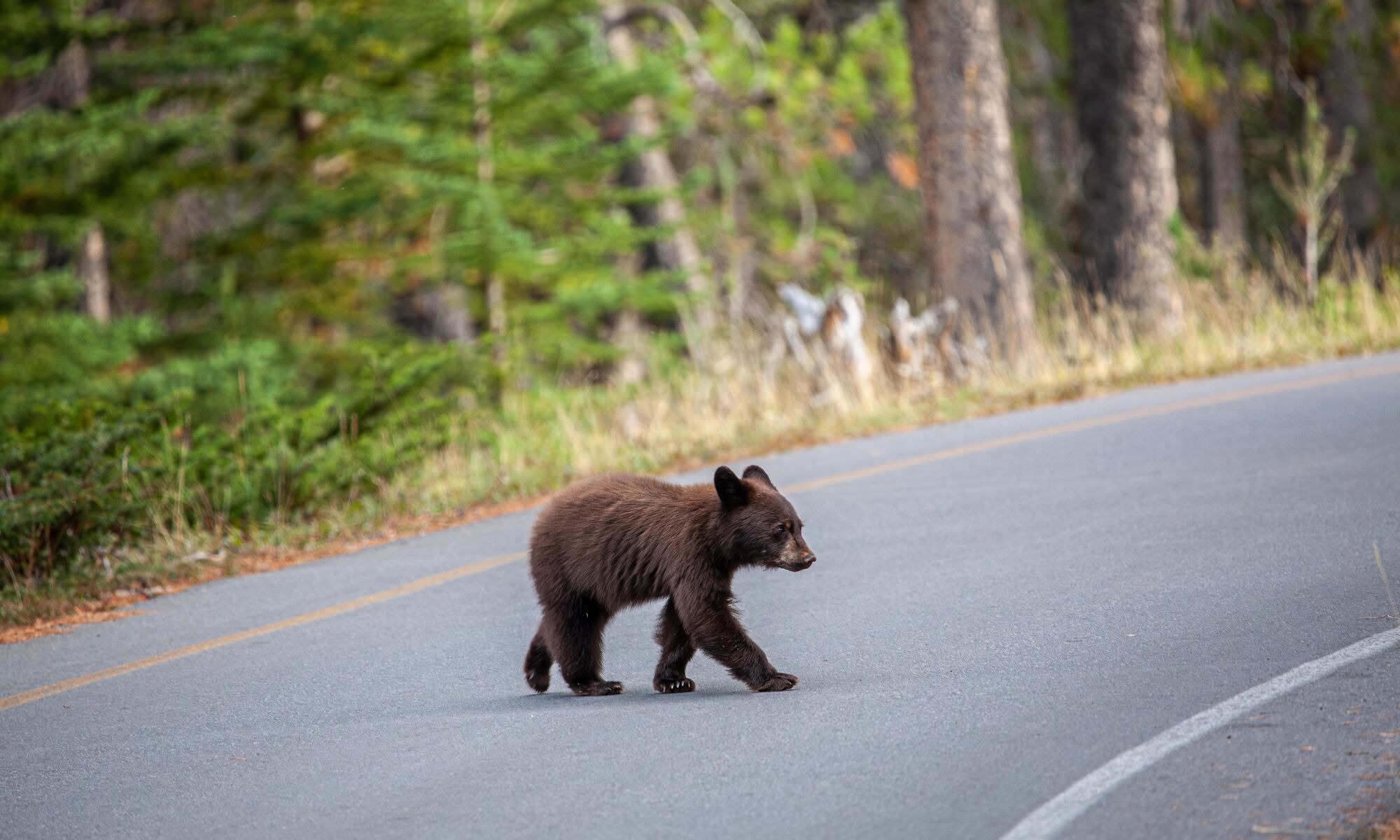
If you encounter wildlife while driving in Banff National Park, stay in your vehicle for your safety and the animal’s. Slow down to scan the roadside and surrounding areas for animal movement, and be prepared to stop if wildlife is on or near the road, especially in signed wildlife corridors. When possible, keep moving safely past the area.
Do not stop in unsafe locations or block traffic. Stopping in these situations is illegal and can create serious risks for drivers, wildlife, and other visitors.
Stopping or pulling over to view wildlife can quickly create a wildlife jam, where traffic builds up around an animal. Over time, repeated exposure to stopped vehicles and crowds can cause animals to become accustomed to people and traffic. This habituation increases the risk of road-related incidents and conflict for both wildlife and visitors.
The most effective way to protect wildlife while driving is to keep moving safely, remain alert, and give animals the space they need to move through the park on their own terms.
If You Encounter Wildlife on the Trails
If you come across wildlife while exploring on foot, give animals plenty of space and never approach them.
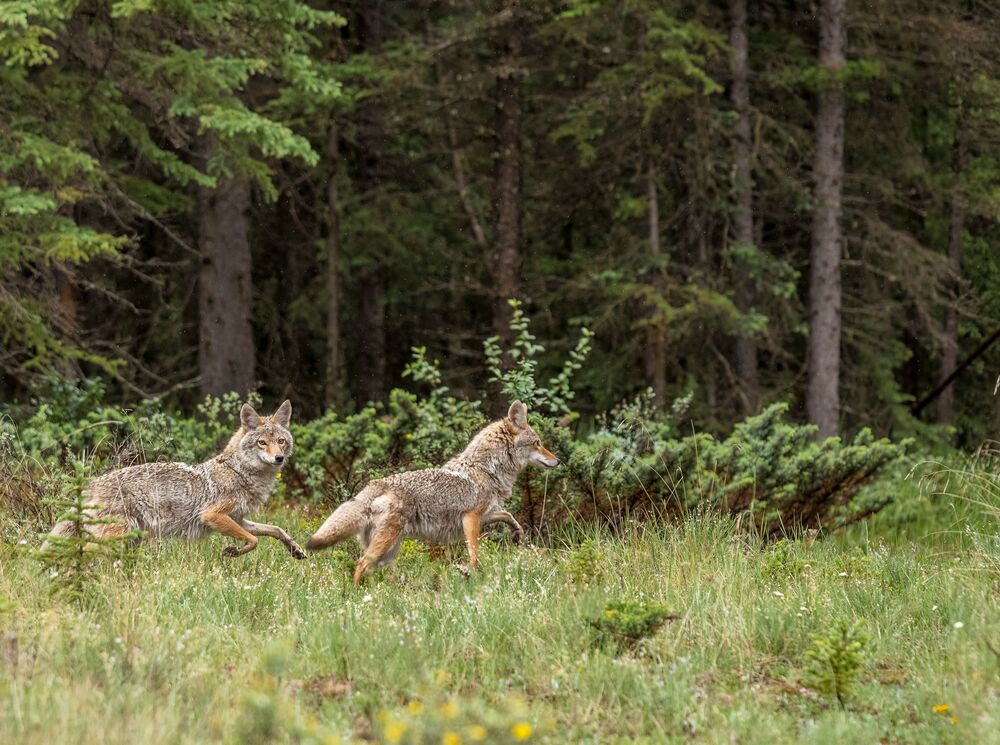
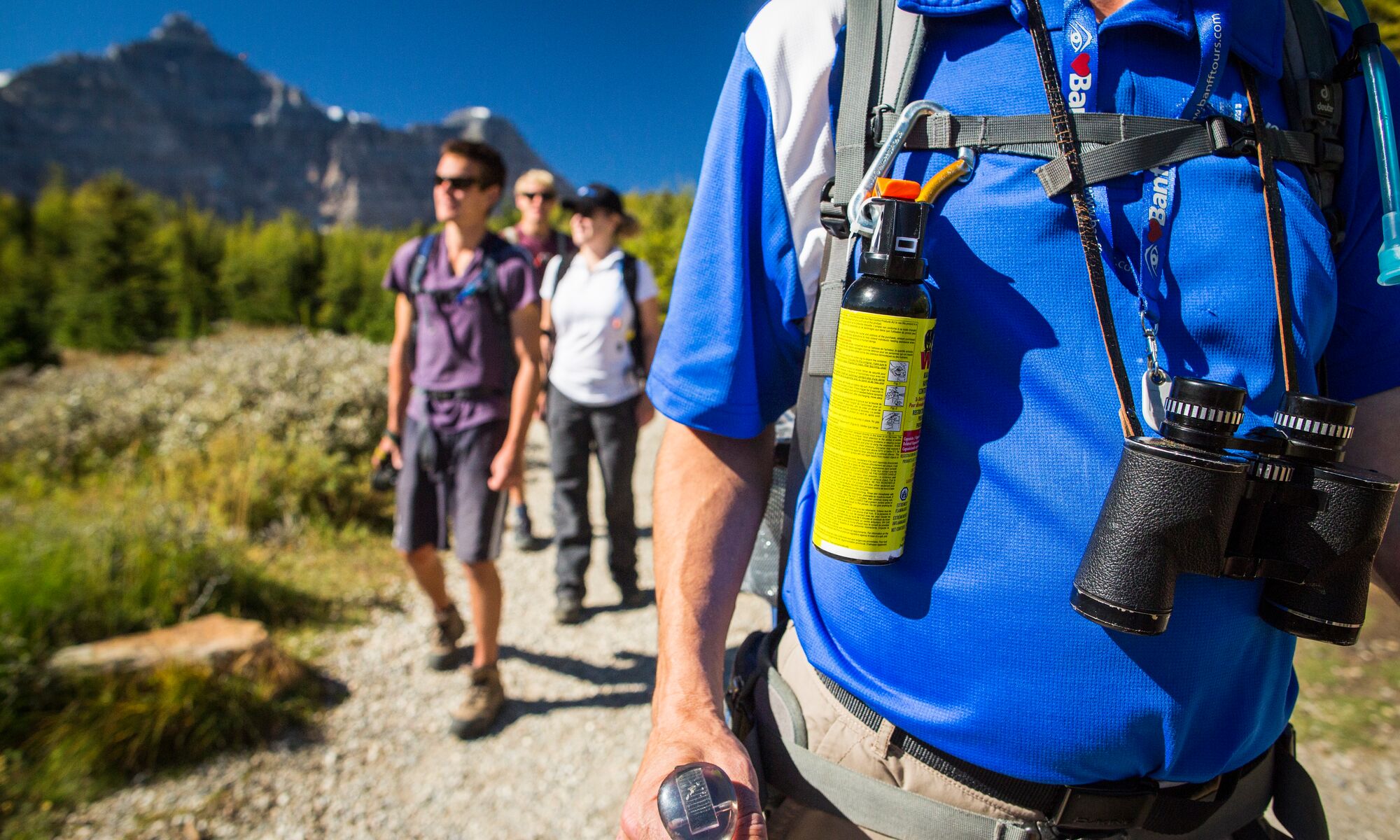
Keep at least 30 metres away from herbivores like elk, deer, and bighorn sheep (about three full‑size buses), and 100 metres away from predators such as bears, wolves, and cougars (about ten buses). If an animal changes its behaviour because of your presence, you’re too close.
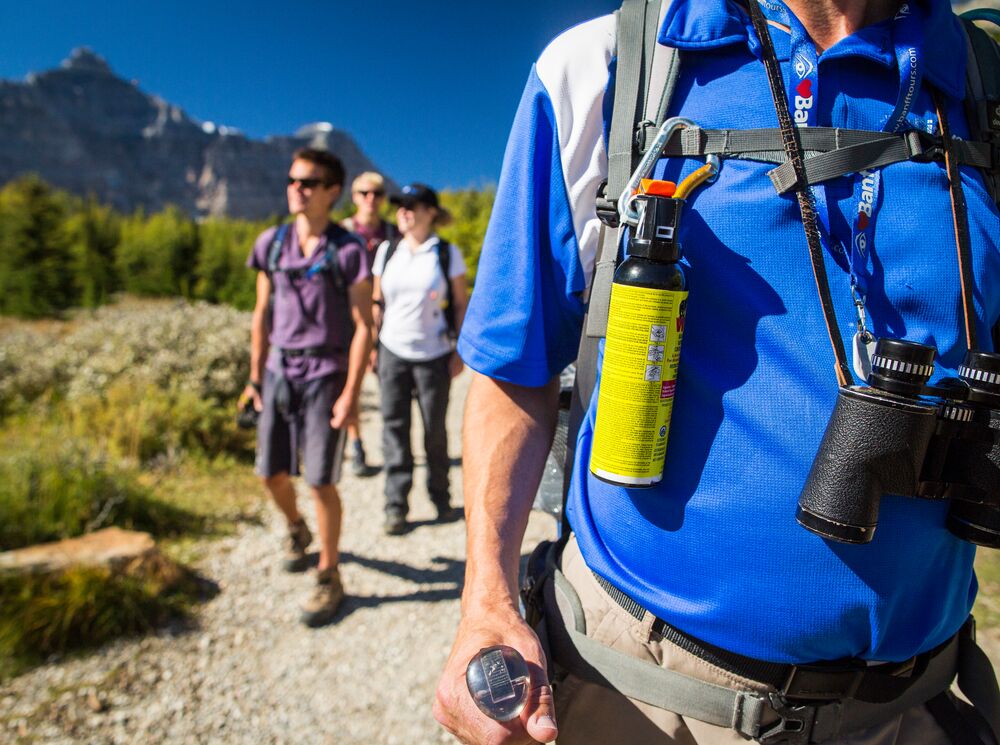
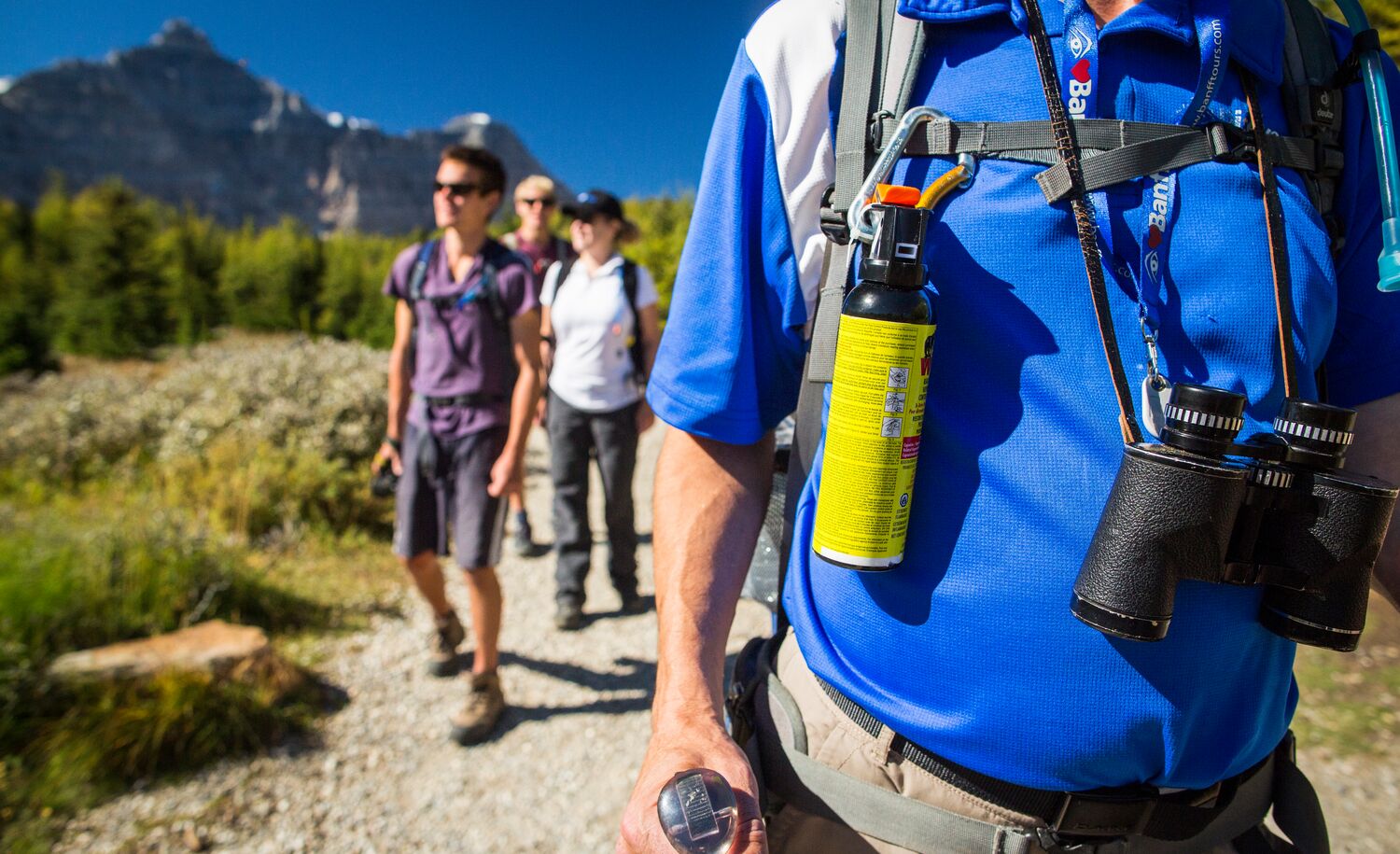
Slow down, stay calm, and give wildlife a clear path to move away. Carry bear spray year‑round, keep it easily accessible, and know how to use it. Bear spray is designed to stop an encounter if one happens, not to prevent wildlife from approaching in the first place. Parks Canada provides guidance on when and how to use it safely.
Preventing Wildlife Encounters on the Trail
Preventing an encounter is safer and less stressful for wildlife, than reacting to one. A few simple habits can make a big difference:
- Make regular noise on the trail.
- Travel in groups whenever possible.
- Stay alert, especially in areas with limited visibility.
- Stay on marked trails.
- Keep pets on leash.
- Carry bear spray and practice before heading out.
Learn from Parks Canada about bear safety and proper bear spray use.
Guided Wildlife Sightseeing Tours in Banff National Park
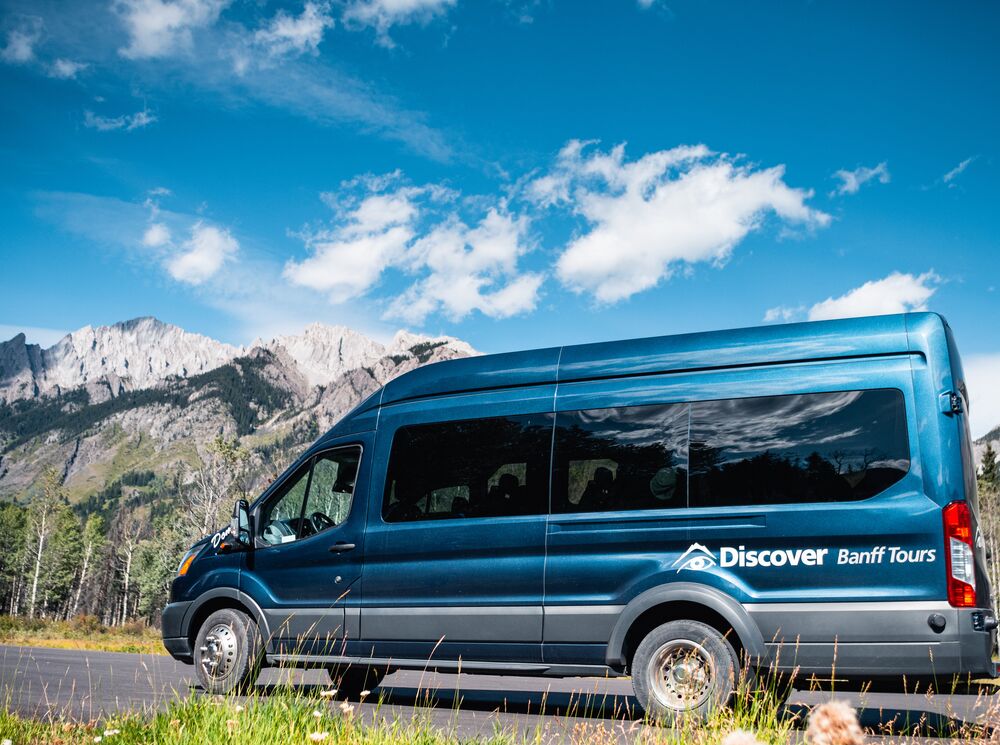
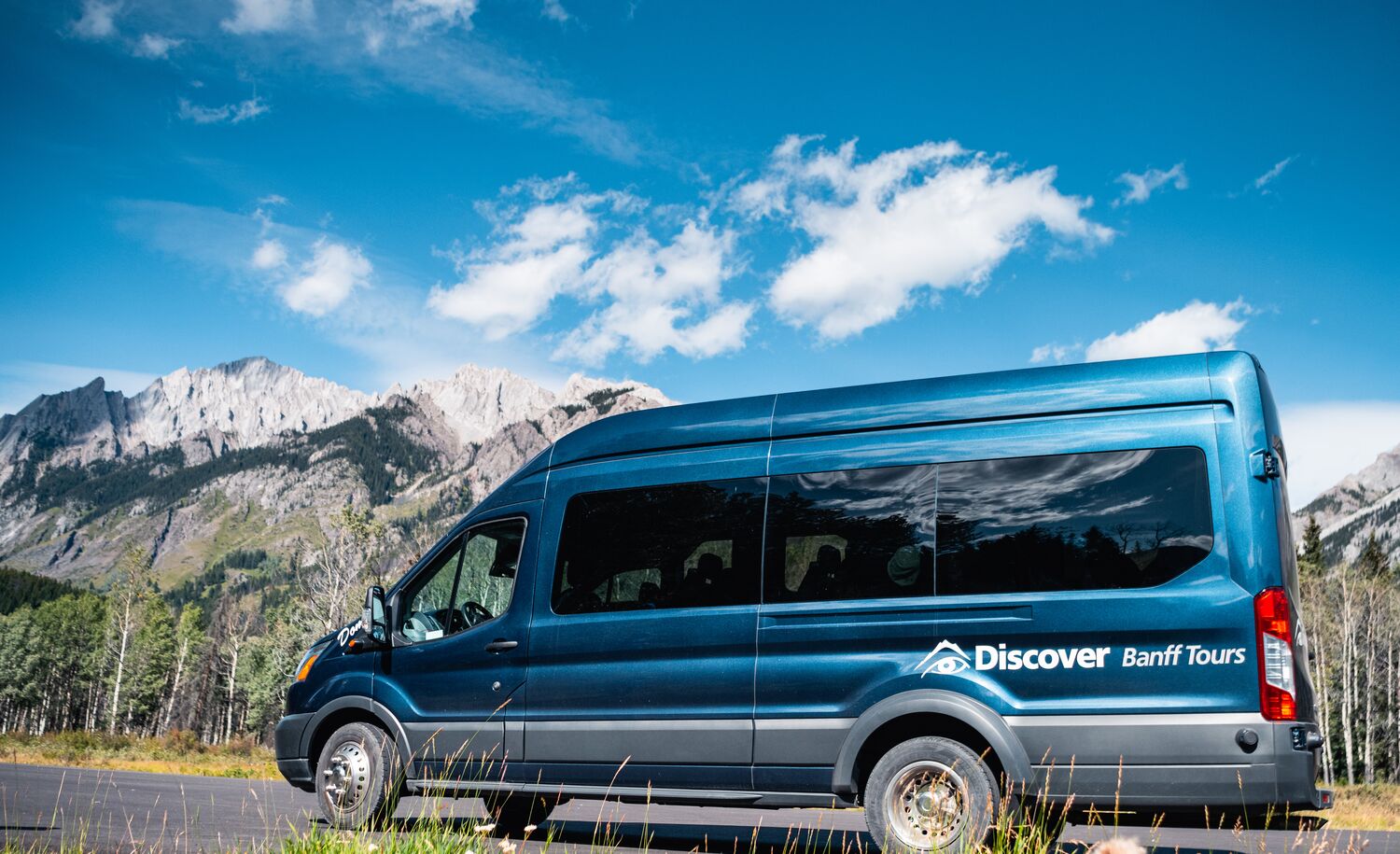
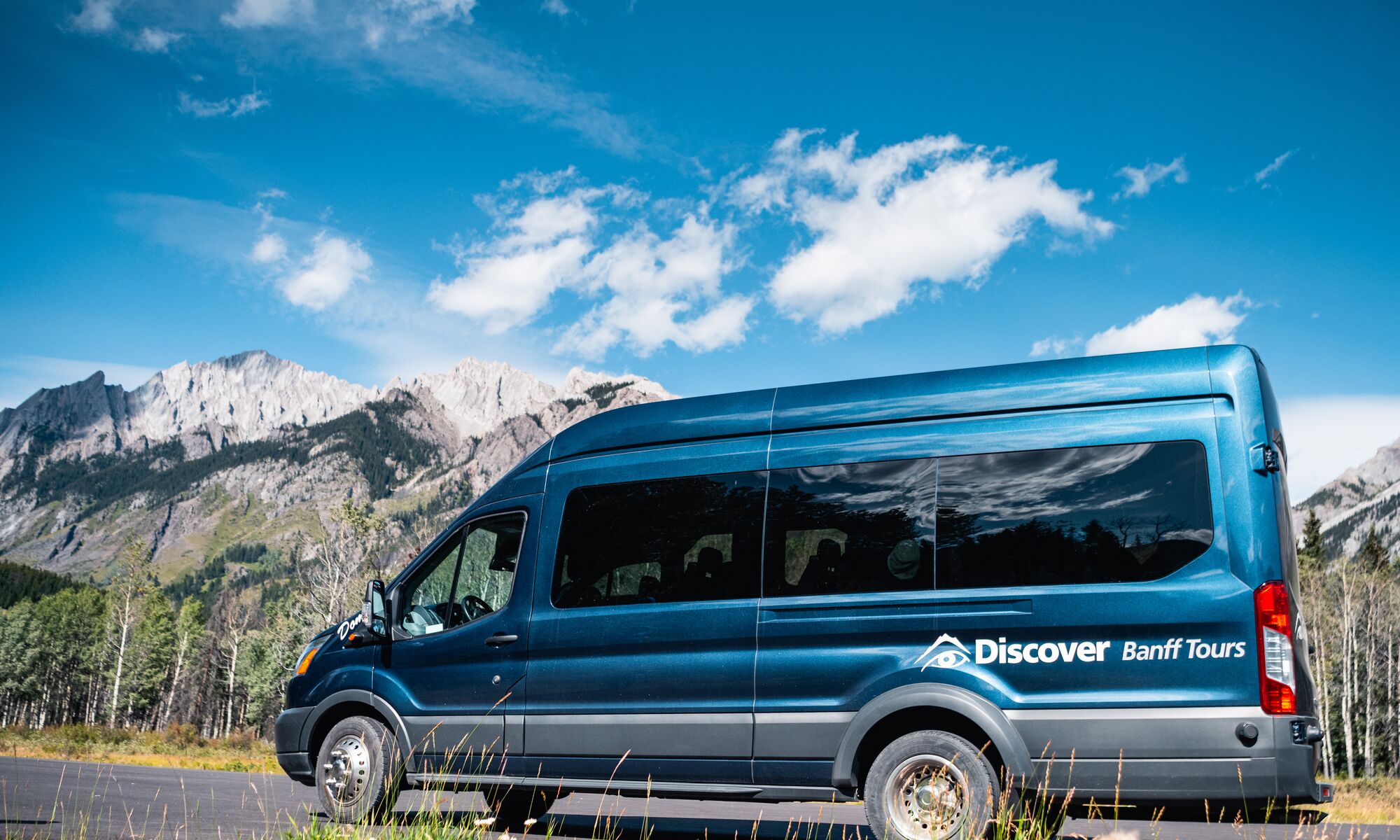
If you’re hoping to see wildlife during your visit, one of the most rewarding ways is by joining a guided wildlife tour. These experiences are led by trained local guides who understand animal behaviour, seasonal patterns, and where wildlife are most likely to be.
Guides know how to view wildlife responsibly, keeping a safe distance and moving through the landscape in ways that minimize disturbance. Travelling with a guide also helps reduce cumulative impact, since animals are encountered thoughtfully in a group rather than through repeated roadside stops or close encounters by multiple visitors.
Choosing a guided experience lets you enjoy memorable wildlife moments while helping keep animals wild and moving naturally through the landscape.
Shifting into Park Mode in Banff National Park
How you move through Banff National Park shifts the experience, for you and for the wildlife that call this place home. Every choice matters. From how you manage food and waste to how you give animals space and respect closures, your actions leave an impact.
Park Mode is your mindset shift when you’re here. It’s about thinking differently by making responsible choices and being part of preserving this destination.
It’s easy to make good choices. Do your part to help keep Banff National Park wildlife safe.
Learn more ways you can shift into Park Mode.
Welcome to Park Mode
Park Mode is about shifting your mindset while you’re in Banff National Park and making choices that respect nature, wildlife, and the community. Learn how to travel responsibly and help steward this beautiful place.