Canadian Wildlife
The Wild Side of Banff and Lake Louise
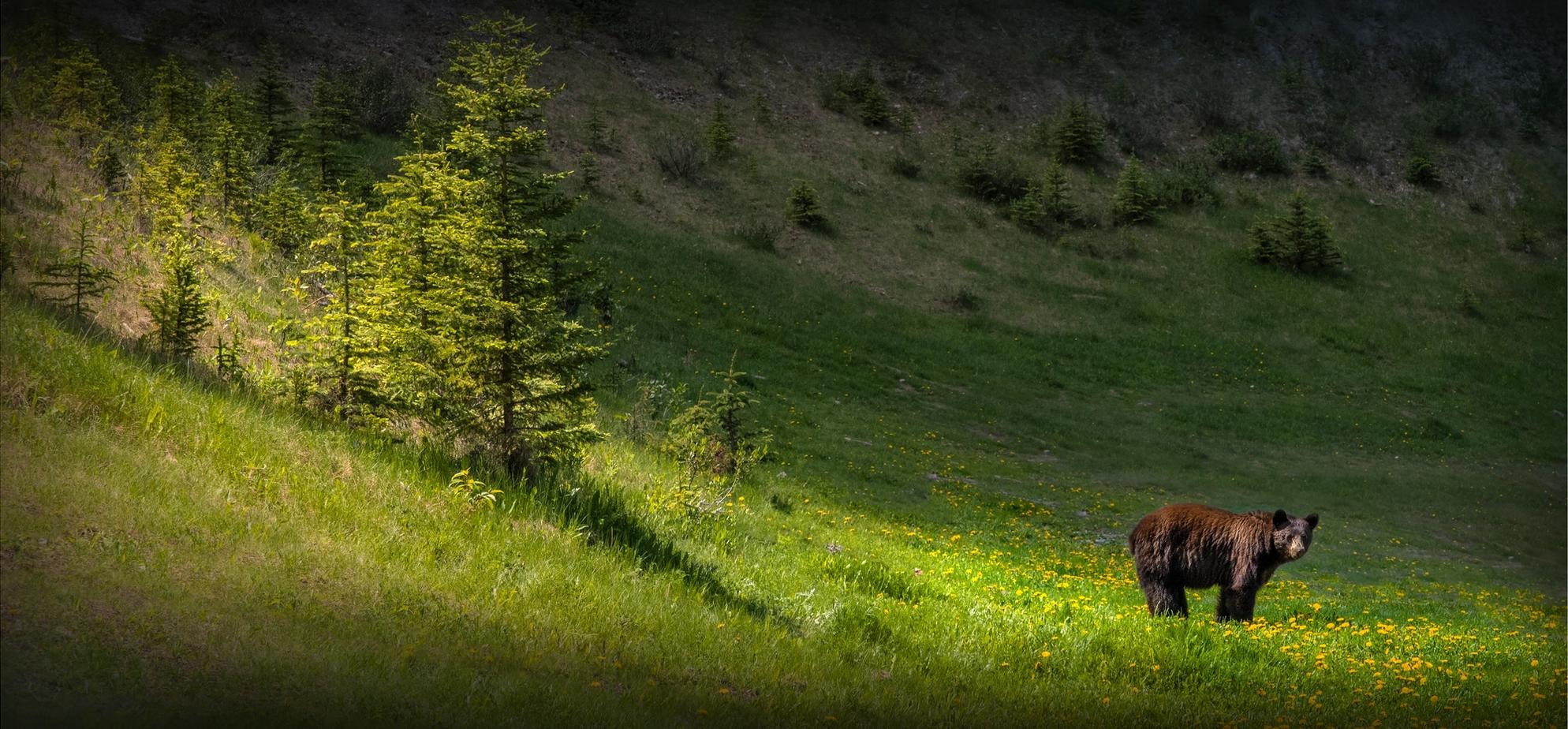
Banff National Park is alive with biodiversity: 56 species of mammals, 300 species of birds, and plenty of fish and amphibians. These animals are not only part of the landscape, they are essential to the health of the ecosystem and one of the destination's most compelling experiences.
For many visitors, seeing a bear or herd of elk grazing in a mountain meadow, spotting a moose along a quiet riverbank, or watching bighorn sheep navigate rugged alpine slopes becomes one of the most cherished memories visitors take home. Banff National Park is recognized globally for its conservation efforts, demonstrating how wildlife protection and visitor experiences can coexist. By observing wildlife responsibly, visitors can play an important role in protecting the species and habitats that make this place so unique.
Signature Species
Banff National Park is home to some of Canada's most iconic wildlife, including grizzly bears, black bears, elk, moose, bighorn sheep, mountain goats, wolves, and coyotes. Bird enthusiasts can also keep an eye out for bald eagles, osprey, and hundreds of other bird species. Learn more about the local species and what a visitor might see on a trip to Banff and Lake Louise.
Wildlife Through the Seasons
Wildlife activity changes throughout the year, offering unique experiences in every season. No matter when you visit, the wild is part of the story.
Spring
As snow begins to melt, bears emerge from hibernation and forage along valley bottoms. Elk and deer become more active, while bear cubs and elk calves make their first appearances. Mothers of all species can be especially protective during this time, making it extra important to keep a safe distance from wildlife.
Summer
Summer brings bighorn sheep scaling rocky slopes and birds of prey soaring high above turquoise lakes. As snow melts and vegetation emerges at higher elevations, bears and other creatures gradually disperse across the park and move further up the mountain peaks.
Fall
Come autumn, the forest echoes with the bugle of elk during rutting season which takes place from late August through mid-October. Visitors may hear bugling males throughout the Bow Valley as they compete for their mates. Bears also return to lower elevations to find their last meals before winter hibernation.
Winter
Although many animals become less visible and bears go into hibernation, bighorn sheep, elk, wolves, and coyotes remain active throughout the season. Fresh snowfall can even make wildlife tracks easier to spot and interpret. Keep your eyes open – you never know what moment of magic nature has planned for you.


Where and How to See Wildlife
Wildlife can be found throughout Banff National Park. While every outing brings the possibility of an encounter, wildlife is often most active during the early morning and evening hours.
For the best chance at seeing wildlife, visitors should join a guided tour in search of these wild residents. Knowledgeable guides understand seasonal wildlife patterns, animal behaviour, and the areas where sightings are most likely to occur. Along the way, visitors gain deeper insight into the park's ecosystems, conservation efforts, and the species that call Banff and Lake Louise home.
Welcome to Park Mode
Park Mode is about shifting your mindset while you’re in Banff National Park and making choices that respect nature, wildlife, and the community. Learn how to travel responsibly and help steward this beautiful place.
Co-Existings With Wildlife


Always Carry Bear Spray
While exploring the outdoors in Banff National Park, carrying bear spray is a good idea. It may reduce your risk of injury if you are in an aggressive encounter with a bear and/or other aggressive wildlife.


Use Bear-Proof Garbage Bins
Wildlife-proof waste bins are installed throughout Banff and Lake Louise to prevent animals from accessing human food and waste. Properly disposing of garbage and ensuring bins are securely closed helps prevent animals from associating humans with food.


Respect Trail Closures
Trail closures can occur due to wildlife activity, particularly in the summer, so it’s important for visitors to plan ahead and check the Parks Canada website for the latest information. Respecting trail closures is essential to keeping wildlife protected.


If You Encounter Wildlife
Whether viewing wildlife from a vehicle or while exploring outdoors, visitors should remain calm, give animals space, and never approach or feed wildlife. Stay at least 30 metres from elk, deer, and bighorn sheep, and 100 metres from bears, wolves, and cougars. As a general rule of thumb – if an animal changes its behaviour because of your presence, you're too close.


If You See Wildlife While Driving
If wildlife is visible near or on the roadway, remain inside your vehicle and slow down safely. Do not stop in unsafe locations, block traffic, or gather with crowds around animals. Wildlife jams can increase risks for both animals and visitors, so continue driving when it is safe to do so and give wildlife the space they need to move naturally through the landscape.


Wildlife Overpasses and Underpasses
One of Banff National Park's most remarkable success stories can be found along the Trans-Canada Highway. Specially designed wildlife crossings help animals safely move across the landscape, reducing wildlife-vehicle collisions and preserving important migration routes. With the largest concentration of these crossings in the world, Banff has become a global leader in conservation.