Shift Into Park Mode: The Best Way to Experience Banff National Park this Summer
Whether you’re a regular visitor or new to Banff National Park, shift into Park Mode to make the most of your trip. Discover insider tips for safer adventures, unforgettable wildlife viewing, more seamless exploring, all while keeping the park special for future visits.

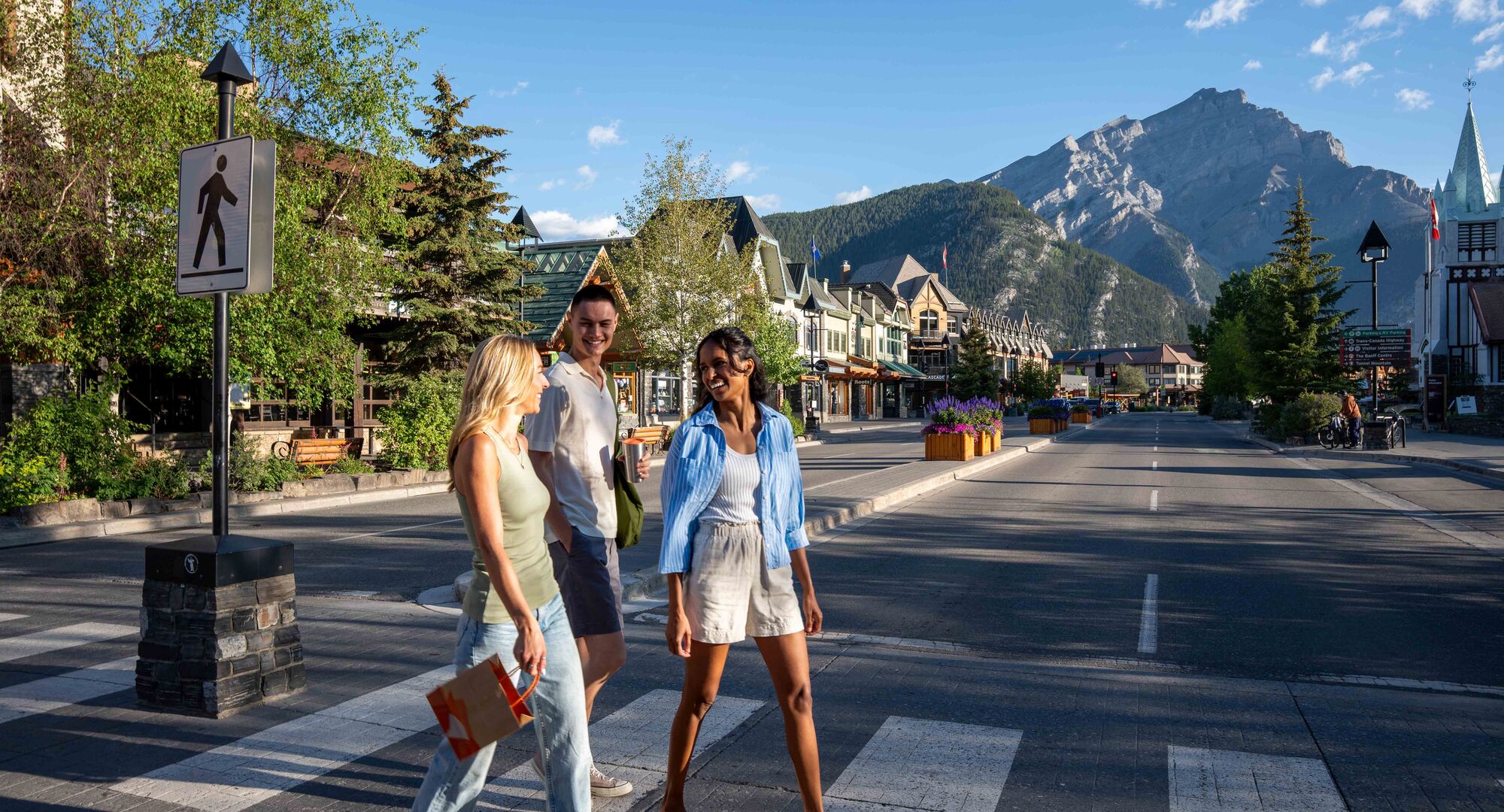
No matter how many times you’ve visited Banff National Park in the summer, the jaw-dropping scenery, wildlife sightings, and tranquility of this precious place continue to amaze. How you move through the park shapes your day and can leave a lasting impact on the very nature and wildlife that make this place so special.
Park Mode is a mindset to travel responsibly and show your love for Banff and Lake Louise through your actions. Locals and long-time visitors who know Banff well already care for the park with mindful actions. Park Mode is your invitation to do the same.
What’s Inside:
- Learn about the Indigenous communities who have cared for the lands and waters for millennia and have a deep connection to the land.
- Plan your visit ahead of time. Book passes, shuttles, and restaurants ahead of time, and research logistics.
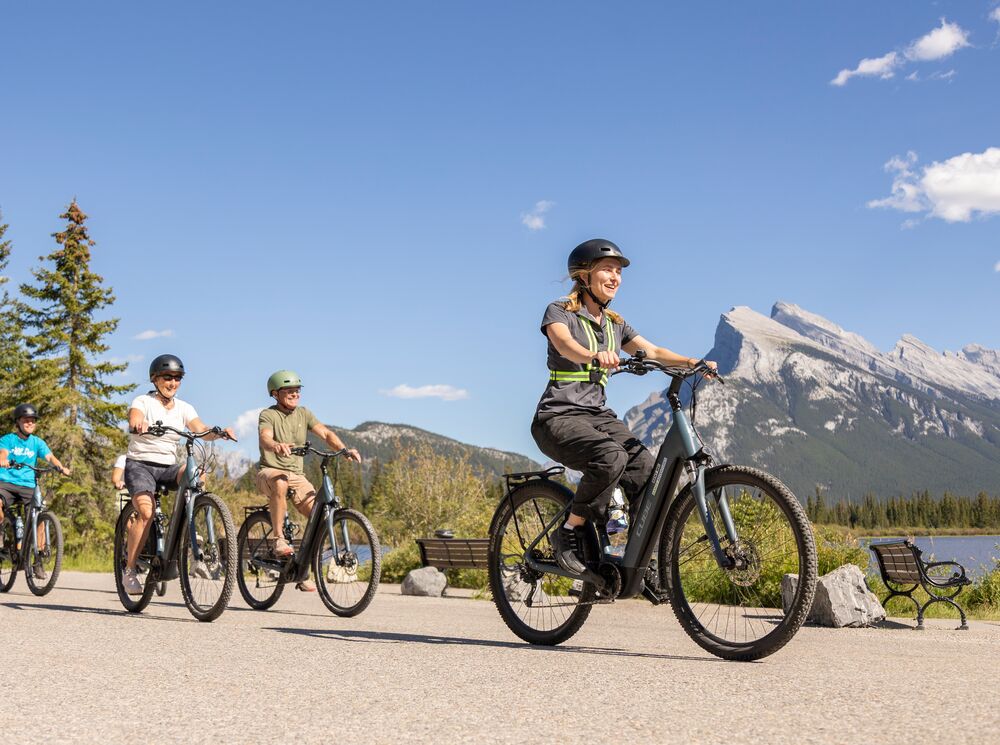
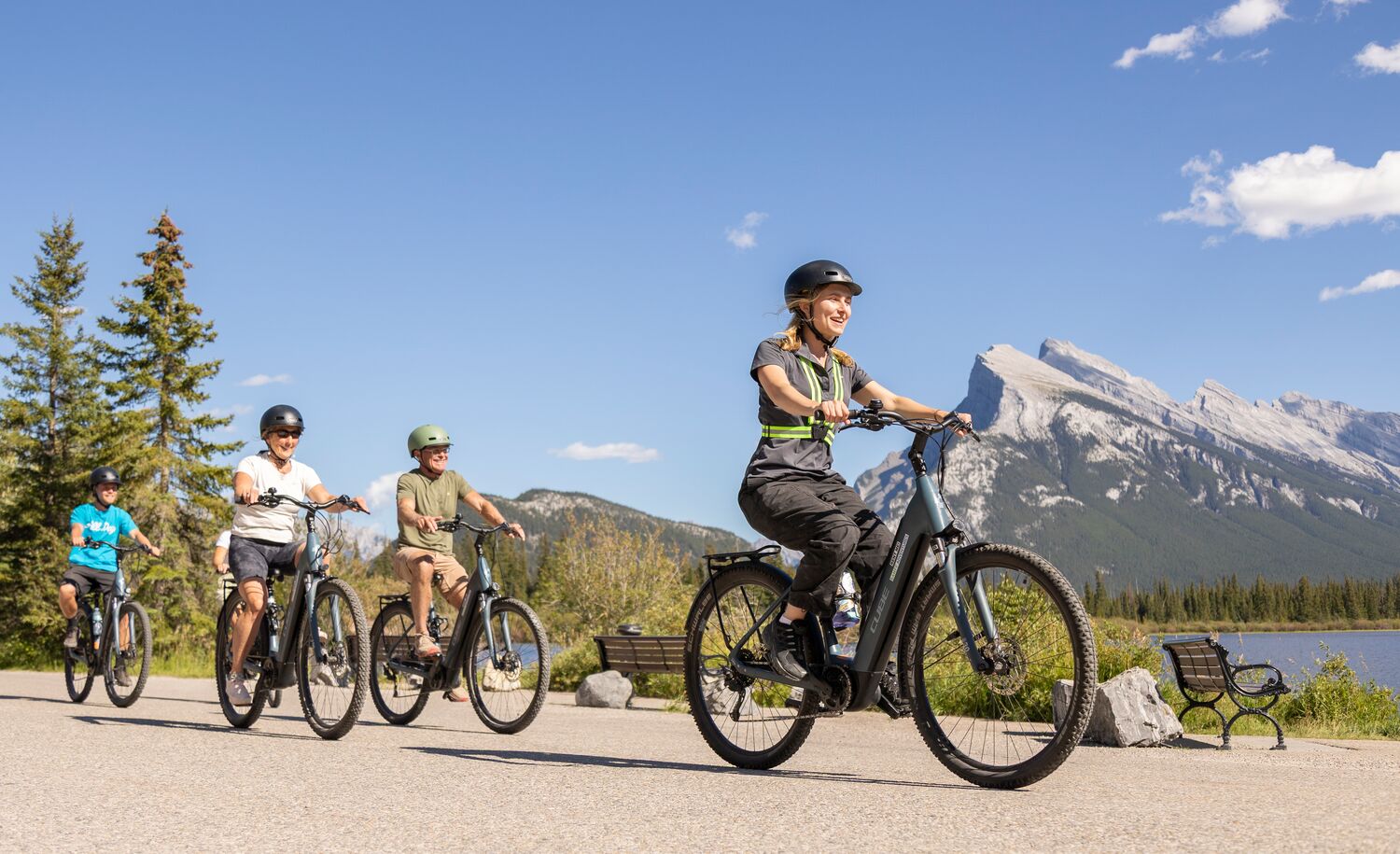
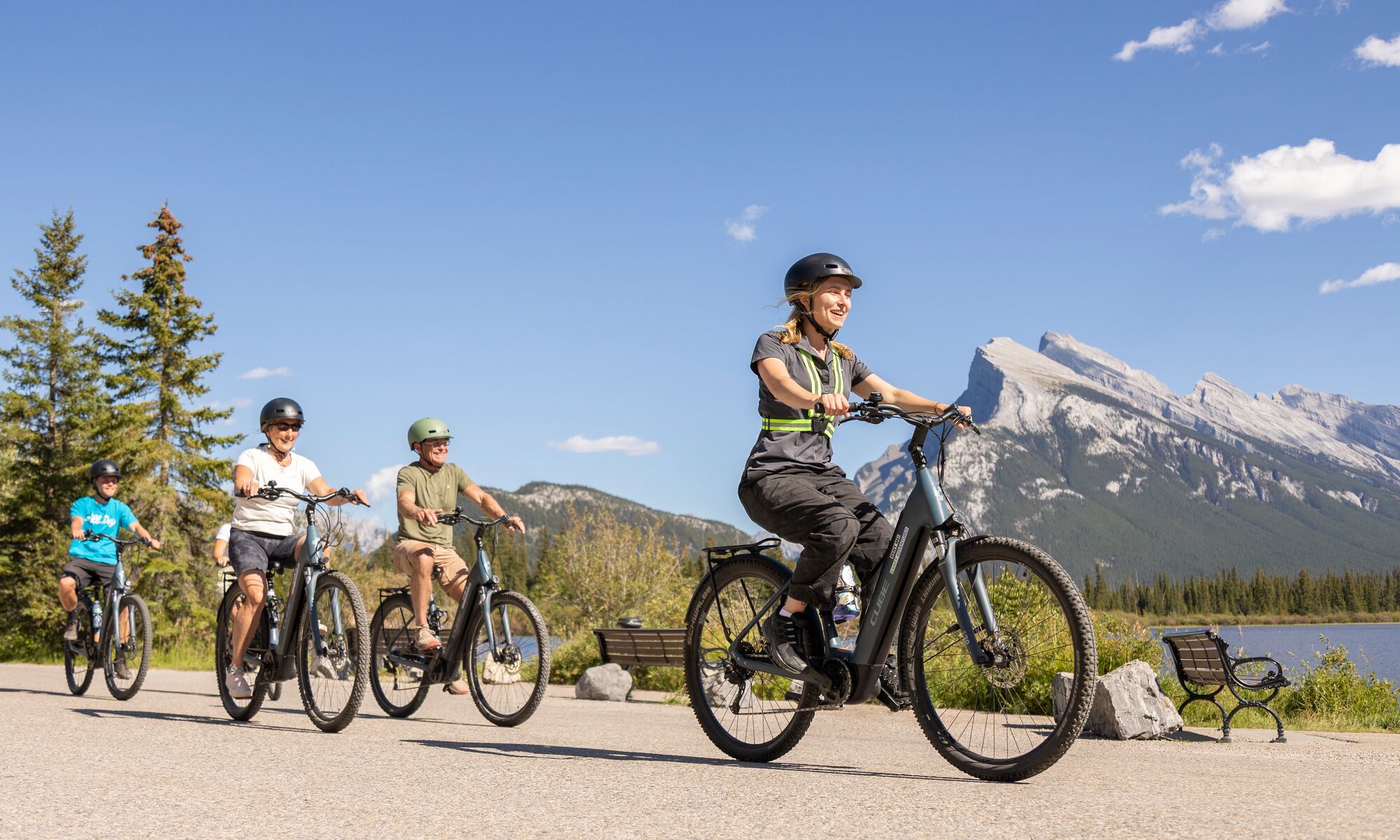
- Go car-free where possible. Park shuttles, guided tours, and biking or walking save time and are more convenient.
- Prioritize mountain safety by packing the right gear and being aware of weather and conditions.
- Be a steward of Banff National Park by taking small actions to respect and protect it.
- Give Banff wildlife plenty of space to go about their daily routines.
- Deepen your connection to Banff by supporting local businesses, talking to residents, and taking the time to learn about the park and how you can look after it.
- Lead by example to show others how to travel responsibly in Banff National Park.
Banff is one of the most beautiful places on Earth, but it only stays that way if visitors respect the rules. … Places like Banff stay beautiful because they’re protected. Respecting these rules helps keep the park wild, safe, and preserved for everyone who visits after us.


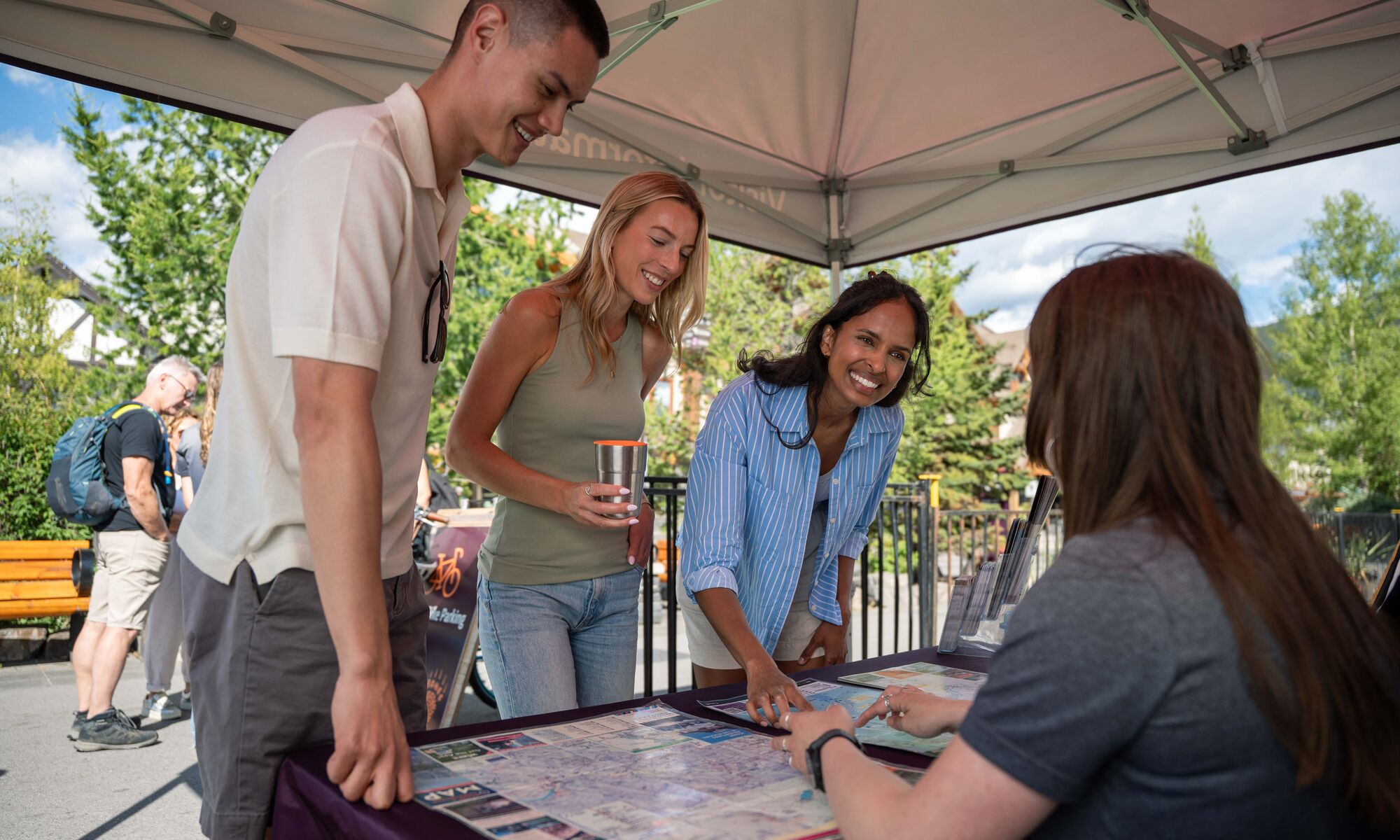
Plan Your Visit Ahead of Time in Banff National Park
Park Mode starts before you arrive. Knowing what to expect before you leave, even if you’ve been here many times, will make your trip smooth. Before visiting Banff National Park in the summer:
- Check current access requirements, including park pass or admission details and seasonal closures.
- Research the places you want to go within Banff National Park, and all logistics, including how to get to the trailheads and viewpoints.
- Book shuttles, transit, or tours ahead of time.
- Reserve lunch or dinner in town, especially if there's somewhere you know you want to dine.
- When planning, give yourself more time at each stop than you think you'll need.
Go Car-Free in Banff National Park
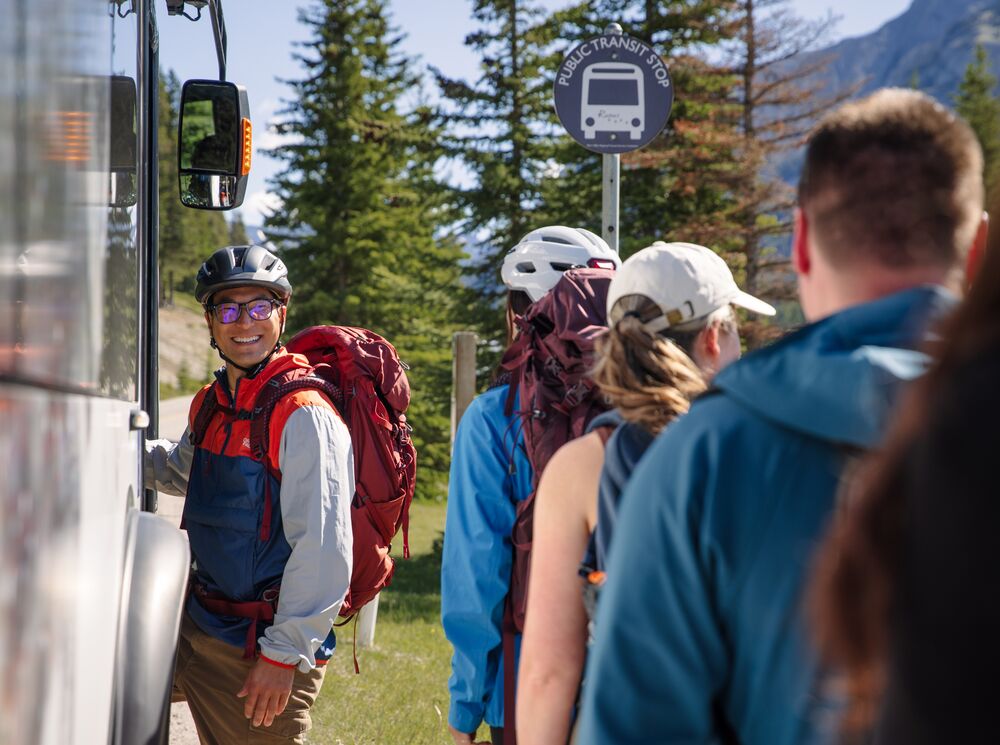
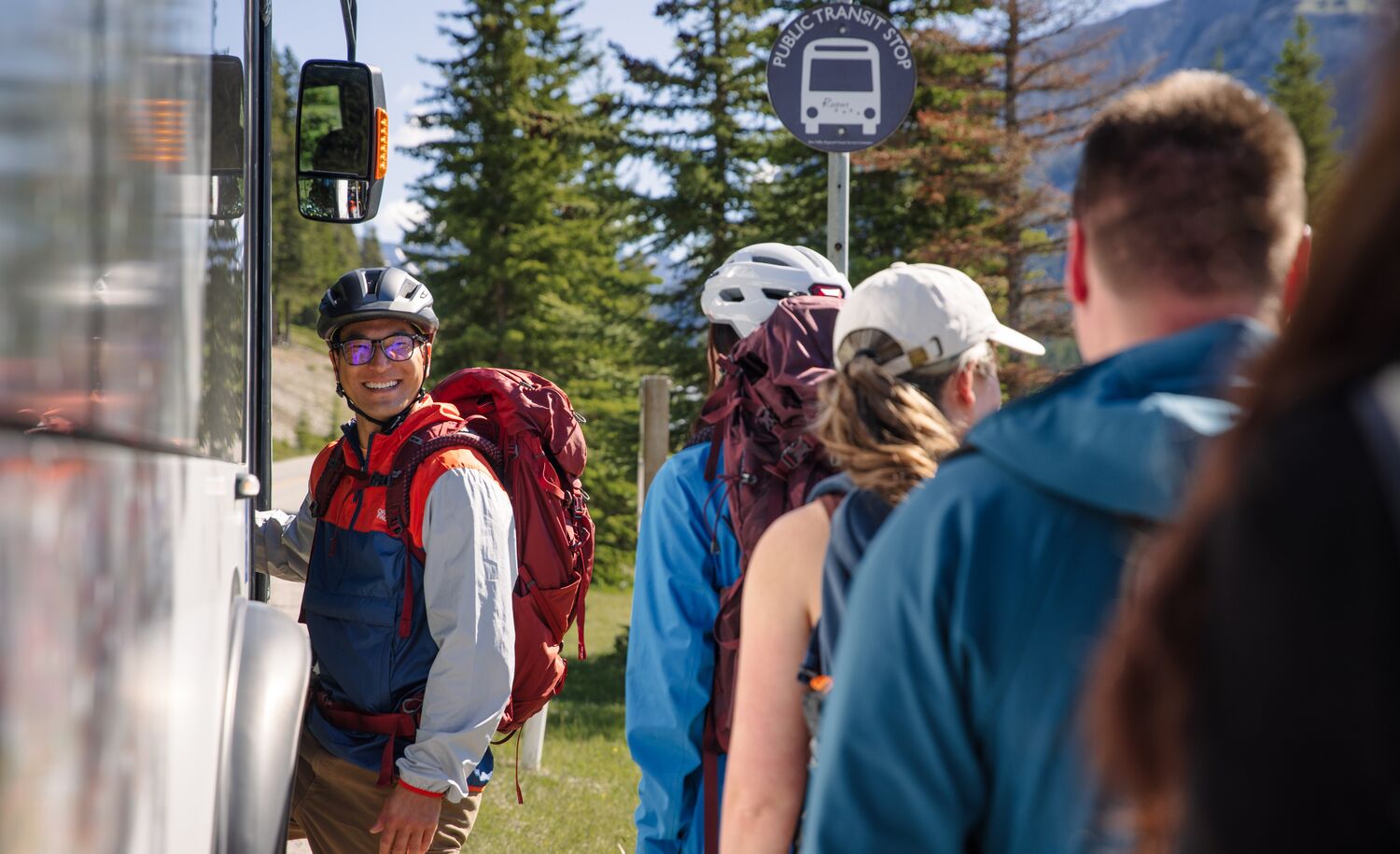
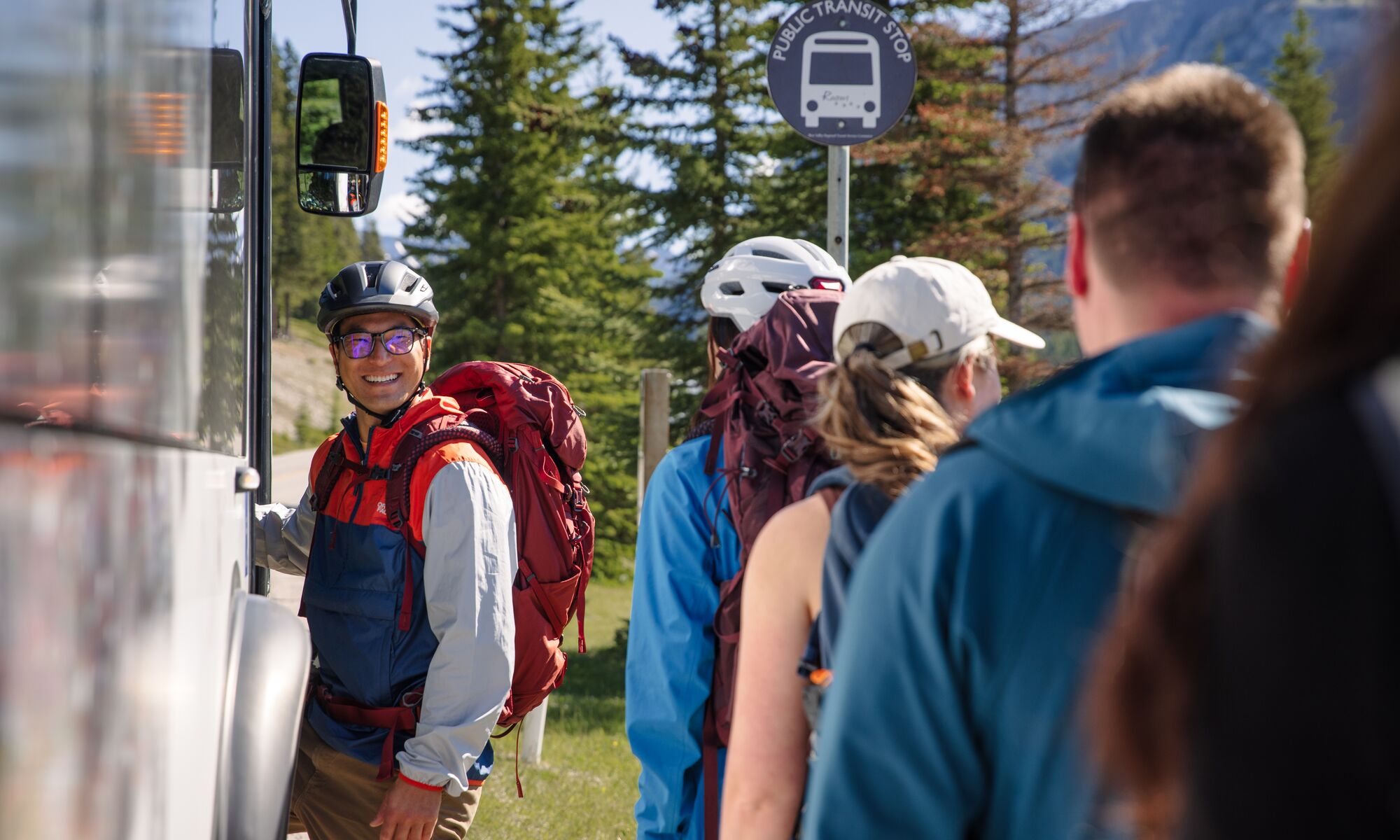
If you’re planning a visit to Banff and Lake Louise in summer, driving may seem more convenient, but parking is limited and can fill up quickly. Car-free options like Roam Transit, Parks Canada and private shuttles, guided tours, biking, and walking can often make the day smoother.
If taking the car is your only option, here are a few tips for driving and parking at Banff in summer:
- Carpool whenever possible.
- Arrive early for the park’s most iconic spots. Lake Louise, Moraine Lake, Peyto Lake, Lake Minnewanka, and popular trailheads can fill before mid-morning.
- Know where you’re parking before you go and have a second option ready.
- Only park in designated spots.
- Take in wildlife and landscapes from designated pullouts and viewpoints, not the roadside.
Learn more about getting around Banff and Lake Louise and how to go car-free.
Prioritize Mountain Safety in Banff National Park
The wilderness and wild beauty are what make Banff National Park an extraordinary place for summer adventure. Out here, Mother Nature is in charge, and that’s what makes your experience so unforgettable. Enjoy the beauty while respecting the mountain, so you can stay safe, comfortable, and confident.
Join the growing movement of outdoor enthusiasts who love being in nature and want to lead by example by following the best practices of mountain safety. Here are some tips to travel responsibly:
- Check the current weather, webcams, and trail conditions before you leave.
- Pack water, snacks, layers, and sun protection.
- Tell someone where you’re going and when you expect to be back.
- Choose a route that matches your group’s ability and the day’s conditions.
- Expect limited cell service and download or save what you need ahead of time.
Find out how to be safe in the mountains.
Be a Steward of Banff National Park
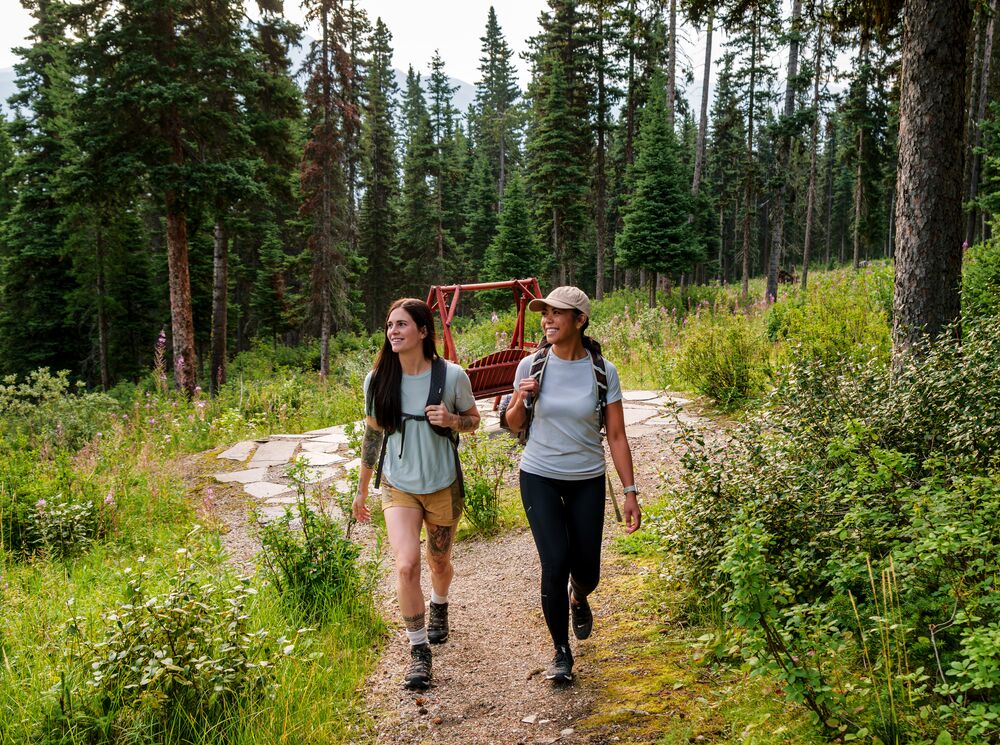
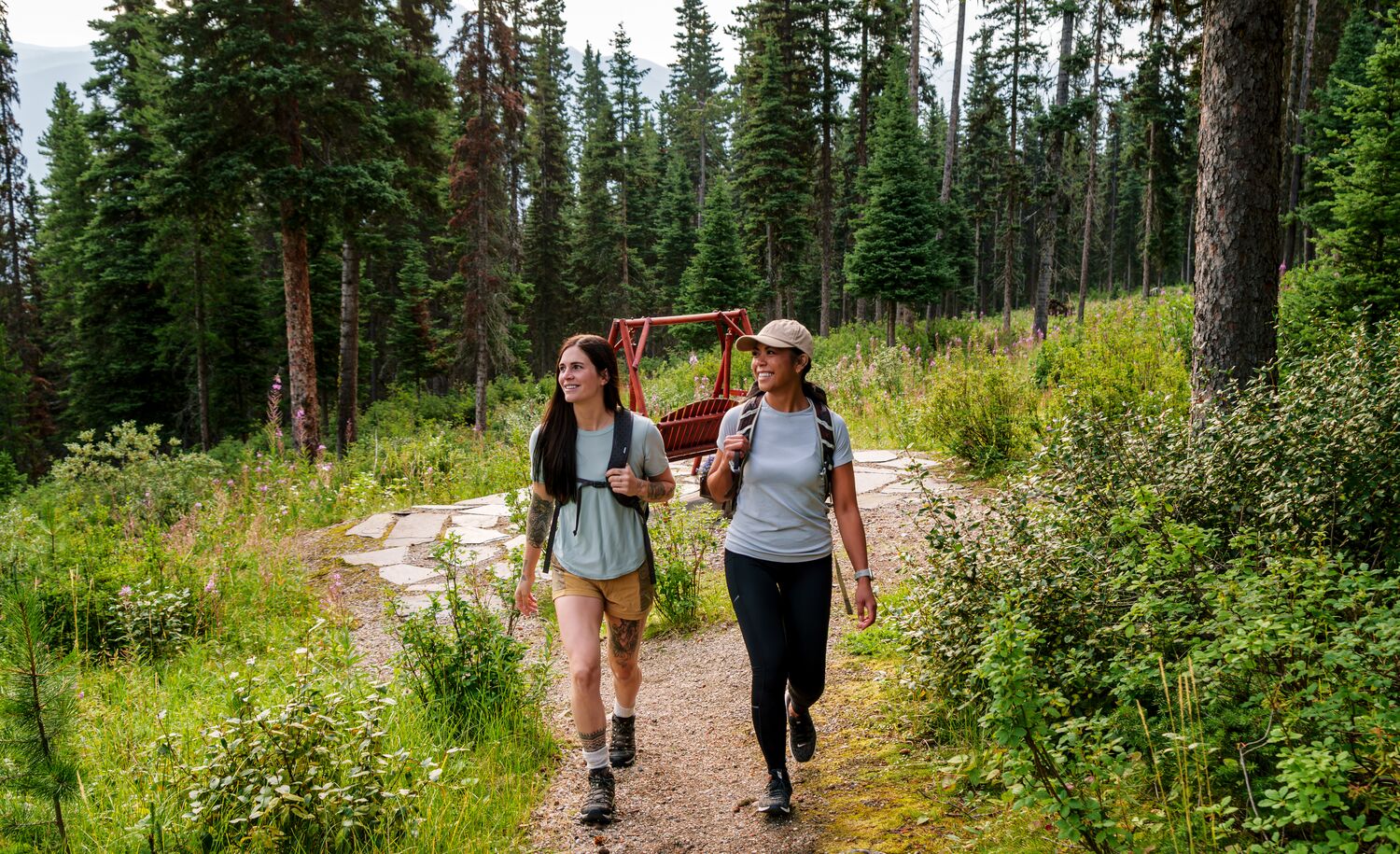
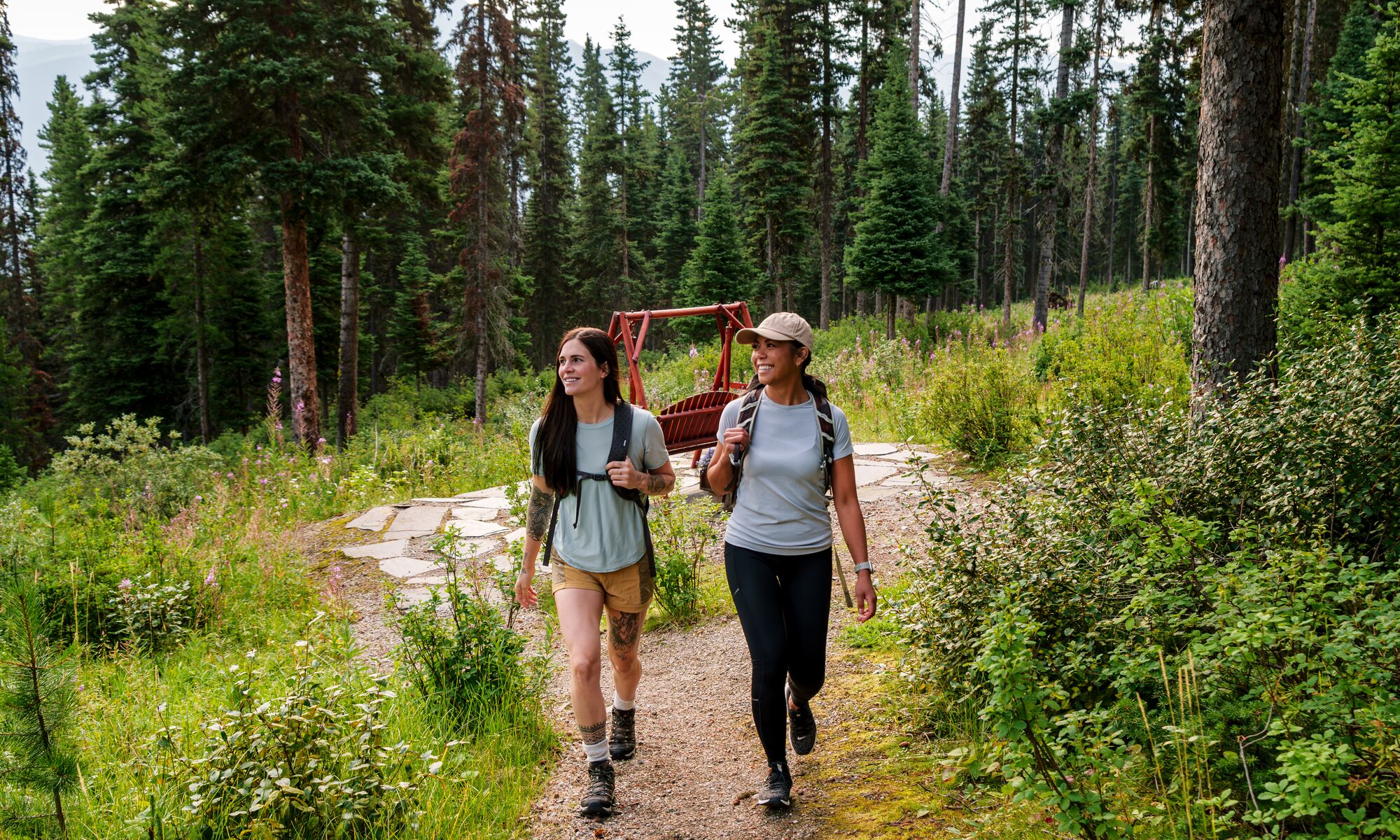
Spending time outdoors in one of the most beautiful places is awe-inspiring and great for our wellbeing. It’s going to take all of us to preserve and protect Banff National Park so we can continue to enjoy it long into the future. Taking these small actions can make a big difference:
- Leave no trace. Leave nature better than you found it and pack out garbage or food scraps.
- Stay on the trail. Remaining on marked walking, hiking, and biking trails helps protect sensitive ecosystems. Avoid making your own trails and stick to the marked pathways.
- Look, don’t touch. Leave nature’s beauty where it grows and avoid picking wildflowers or taking other natural objects home.
- Leave your drone at home. Drones affect wildlife behaviour and disturb other park visitors. Plus, they aren’t permitted anywhere in Banff National Park, including within the town of Banff.
Indigenous Teachings: Treating Lands and Waters Like Family
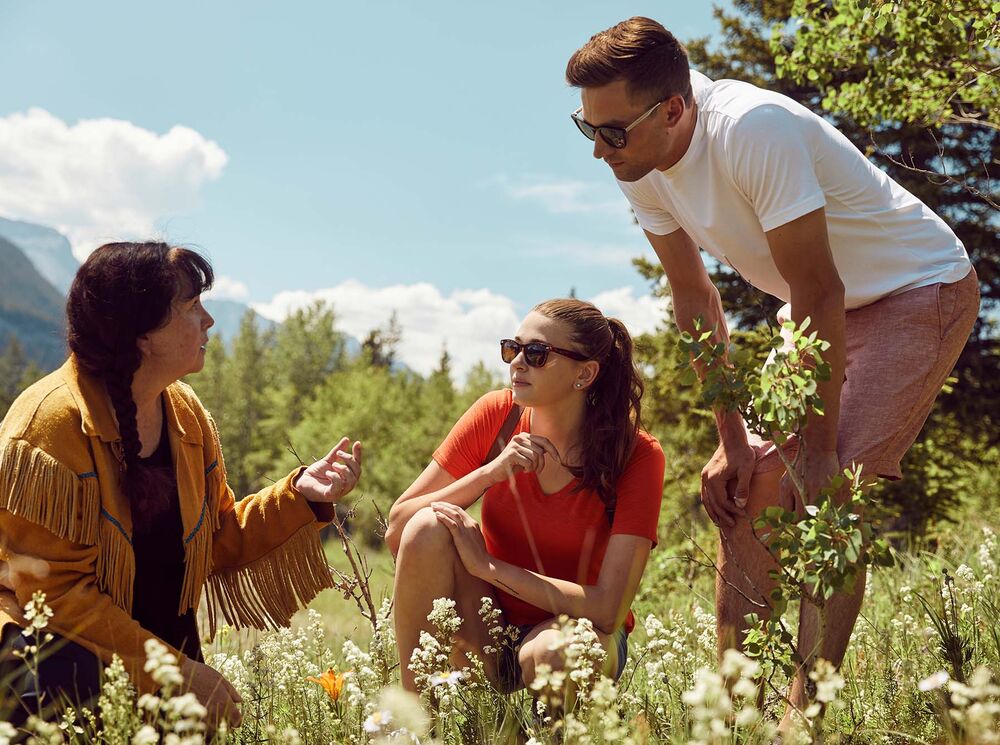
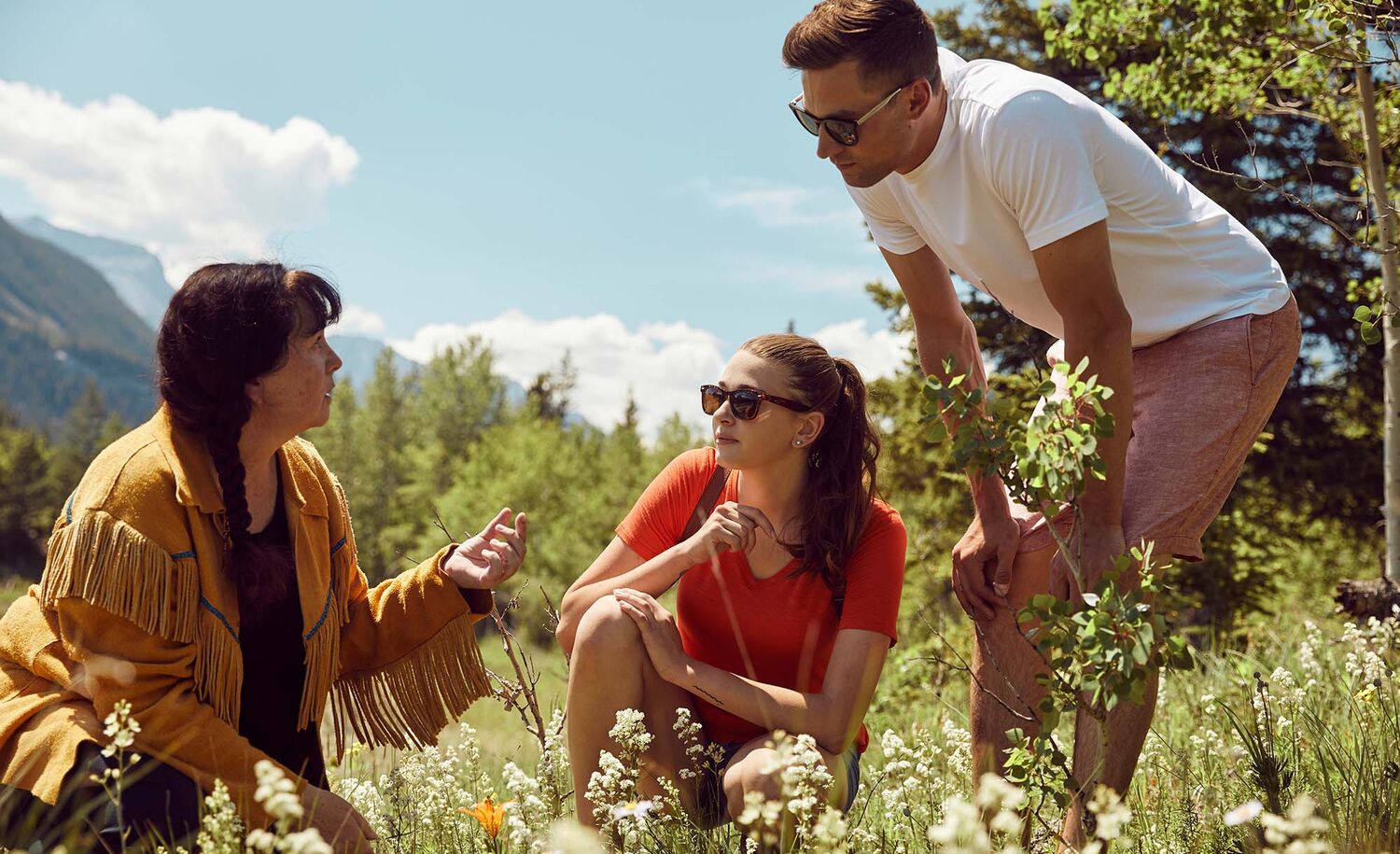
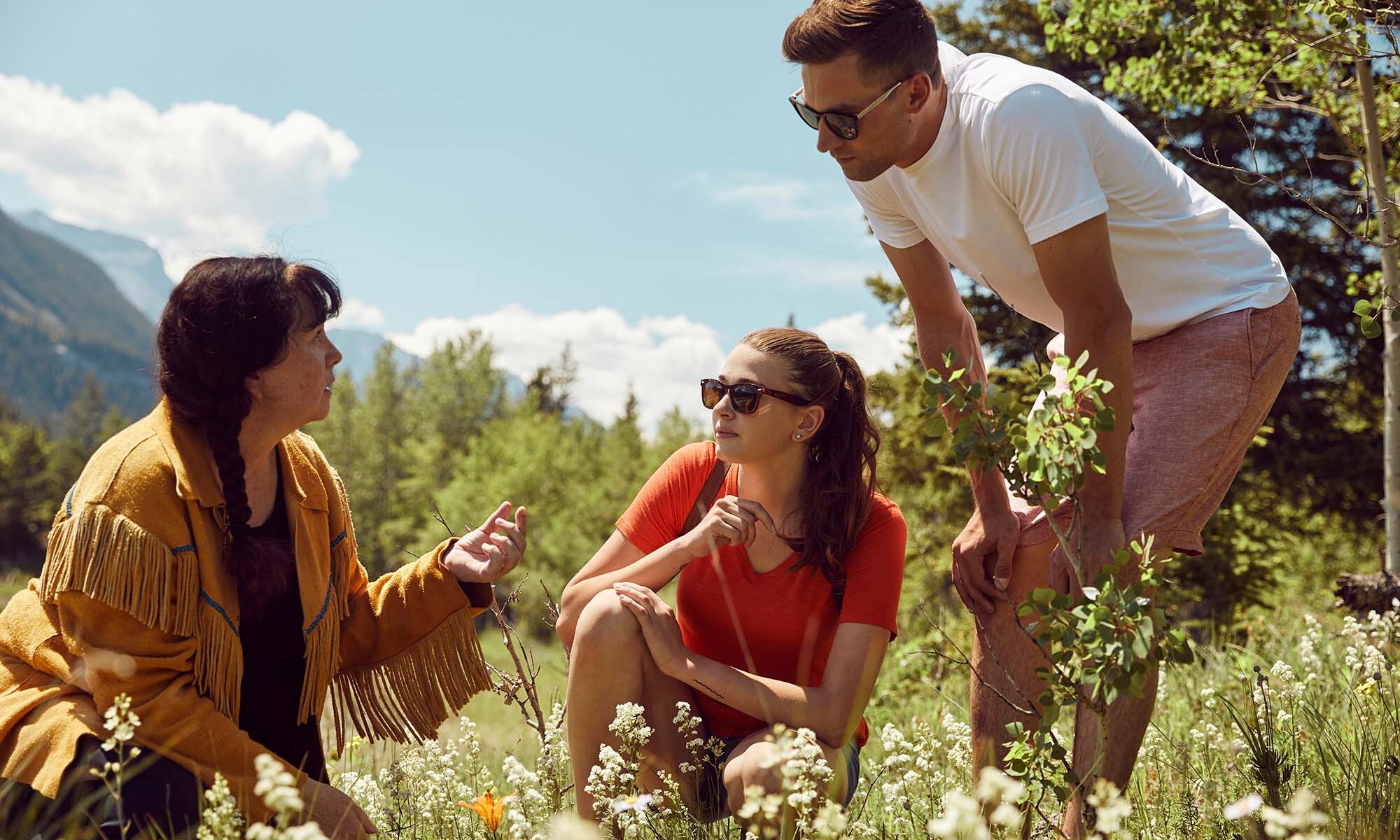
The mountains, rivers, and gathering places you feel a deep connection to carry the stories of generations of Indigenous Peoples. Banff National Park is on the homelands of the Territories of the Treaty 6, 7, and 8, Rocky View Métis District, and the Métis Homelands, who have always understood the importance of caring for the lands and waters, and treated the environment like a beloved family member. Their teachings show that everything is connected and we are not just in nature; we are nature. Take time for authentic Indigenous experiences to learn about their traditions, contributions, and stories, all wrapped in knowledge and respect for the nature we all love so dearly.
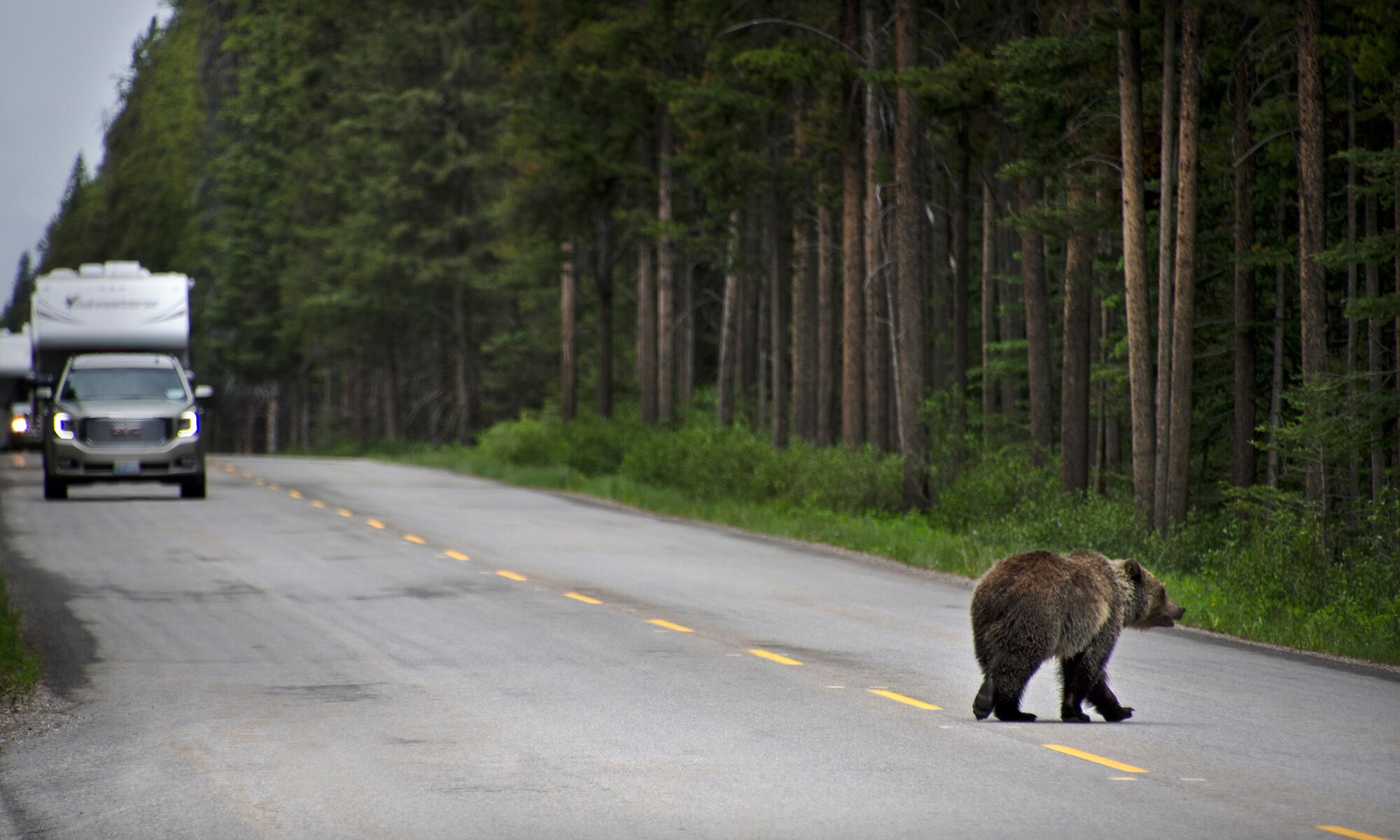
Give Wildlife in Banff National Park Plenty of Space
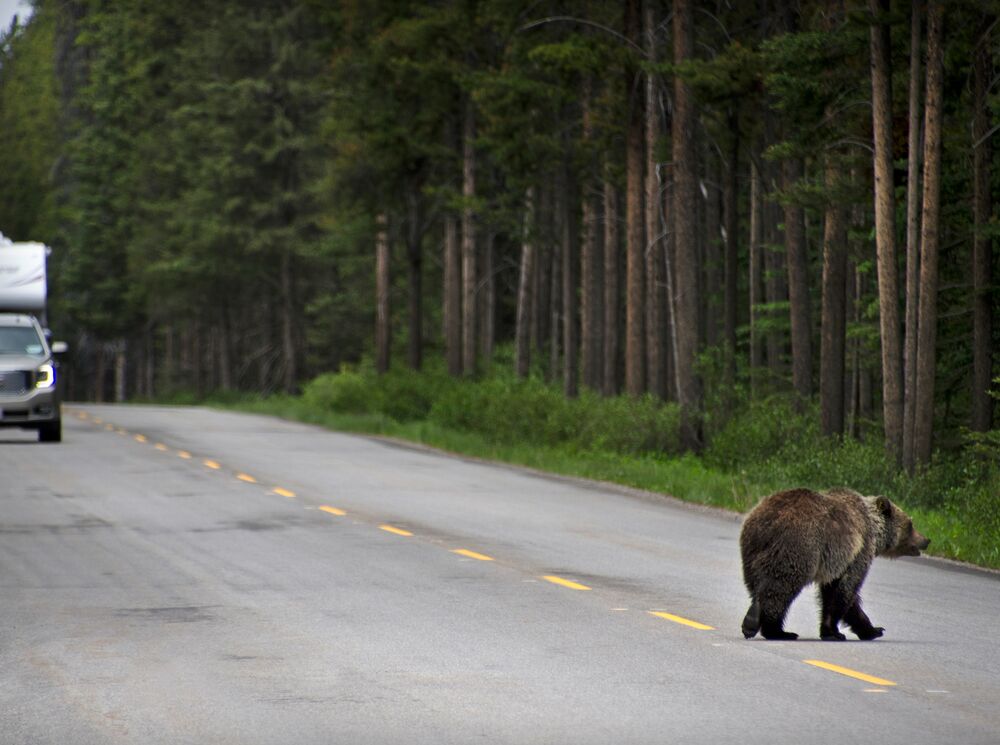
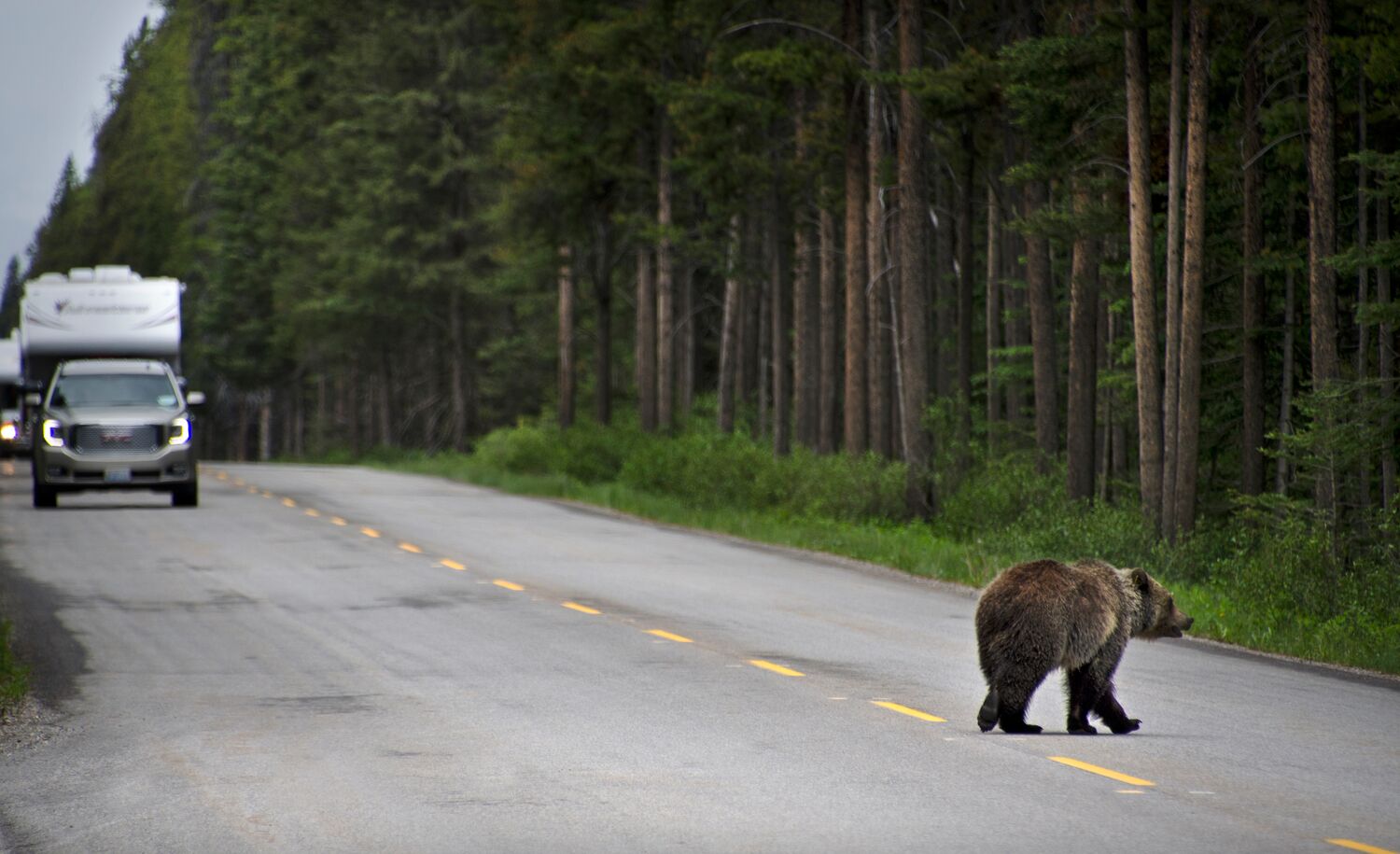
Some of your most unforgettable experiences in Banff National Park won’t appear on any itinerary. A bull elk pausing at the edge of a meadow. A grizzly moving across the valley floor. Those moments are more likely when wildlife has enough space to behave naturally. Human behaviour can disrupt animals, so help keep wildlife wild and learn how to co-exist with them by following these tips:
- Stay at least 30 metres (three school buses) from animals such as elk, deer, moose, and bighorn sheep.
- For bears, wolves, cougars, and coyotes, keep at least 100 metres of distance, about the length of a professional soccer pitch.
- Make noise while on the trail.
- Move in groups when you can.
- Keep pets on leash at all times.
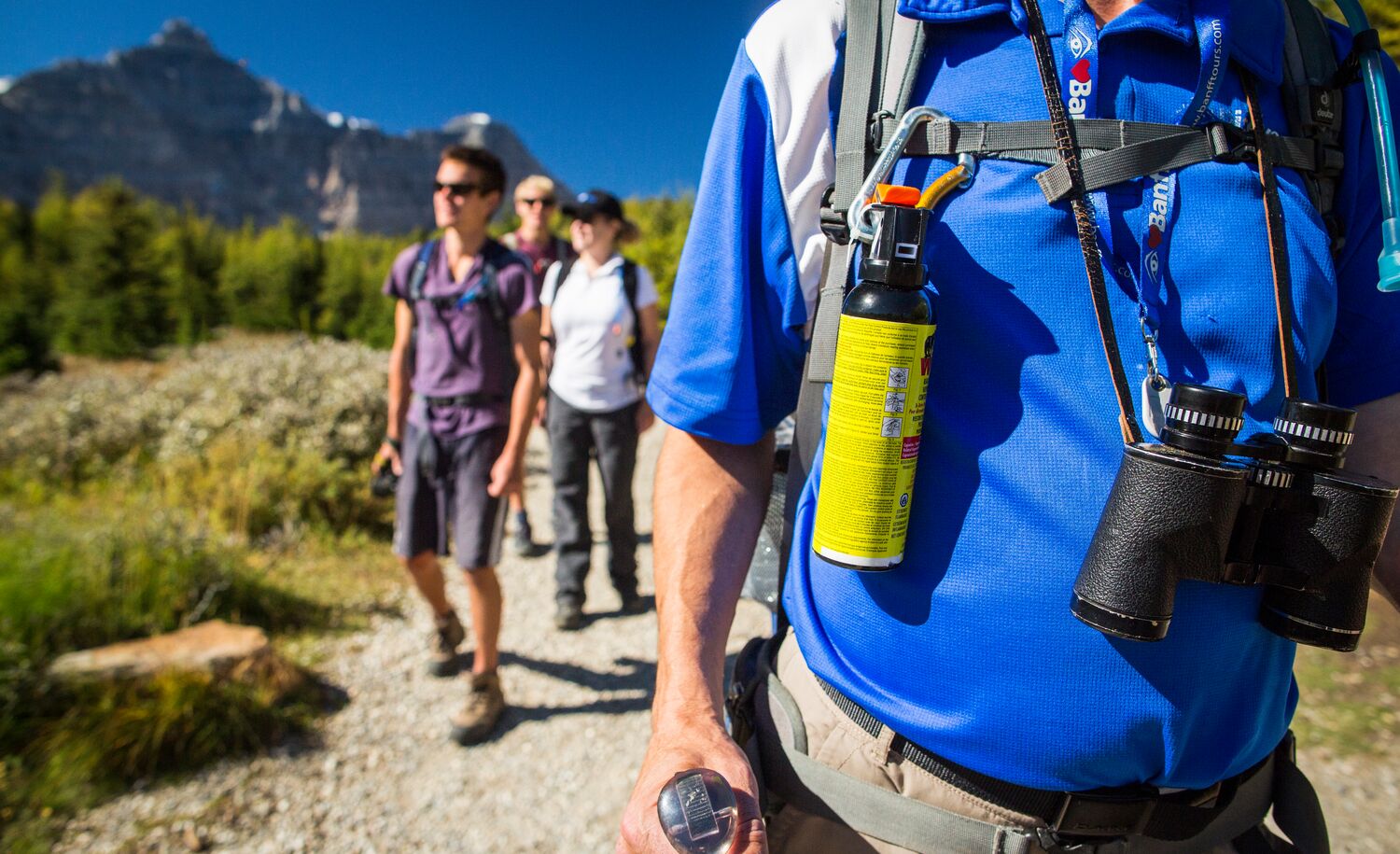
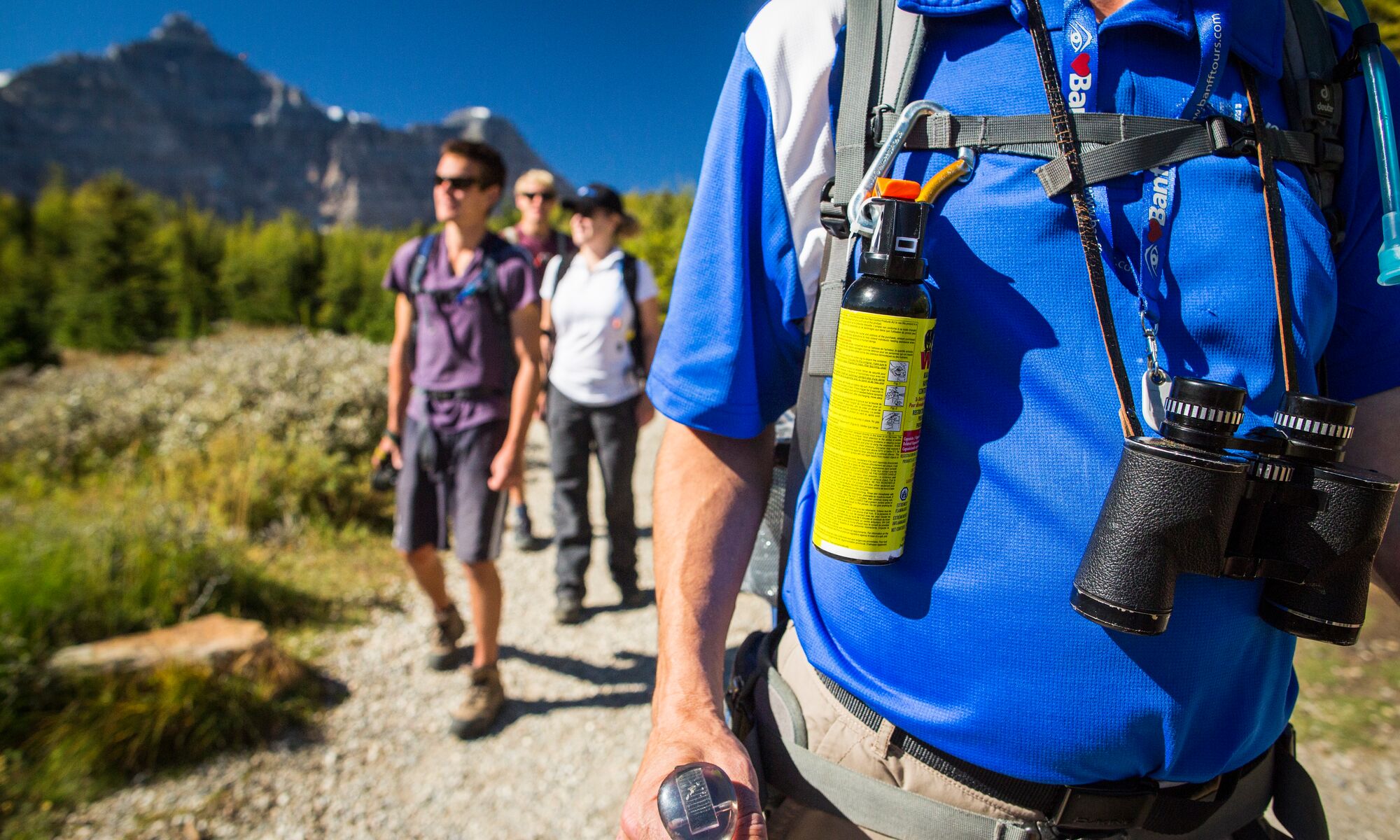
- Carry bear spray and know how to use it.
- Never feed wildlife.
Find out how to keep wildlife safe in Banff National Park.
Deepen Your Connection to Banff National Park and Show Local Businesses You Care
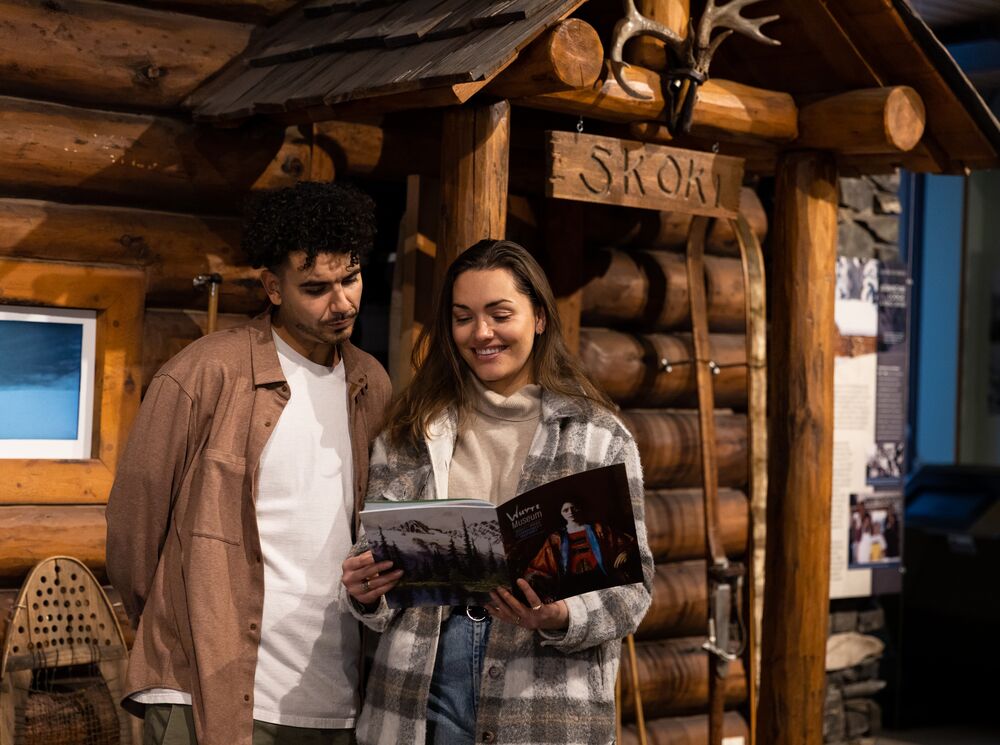
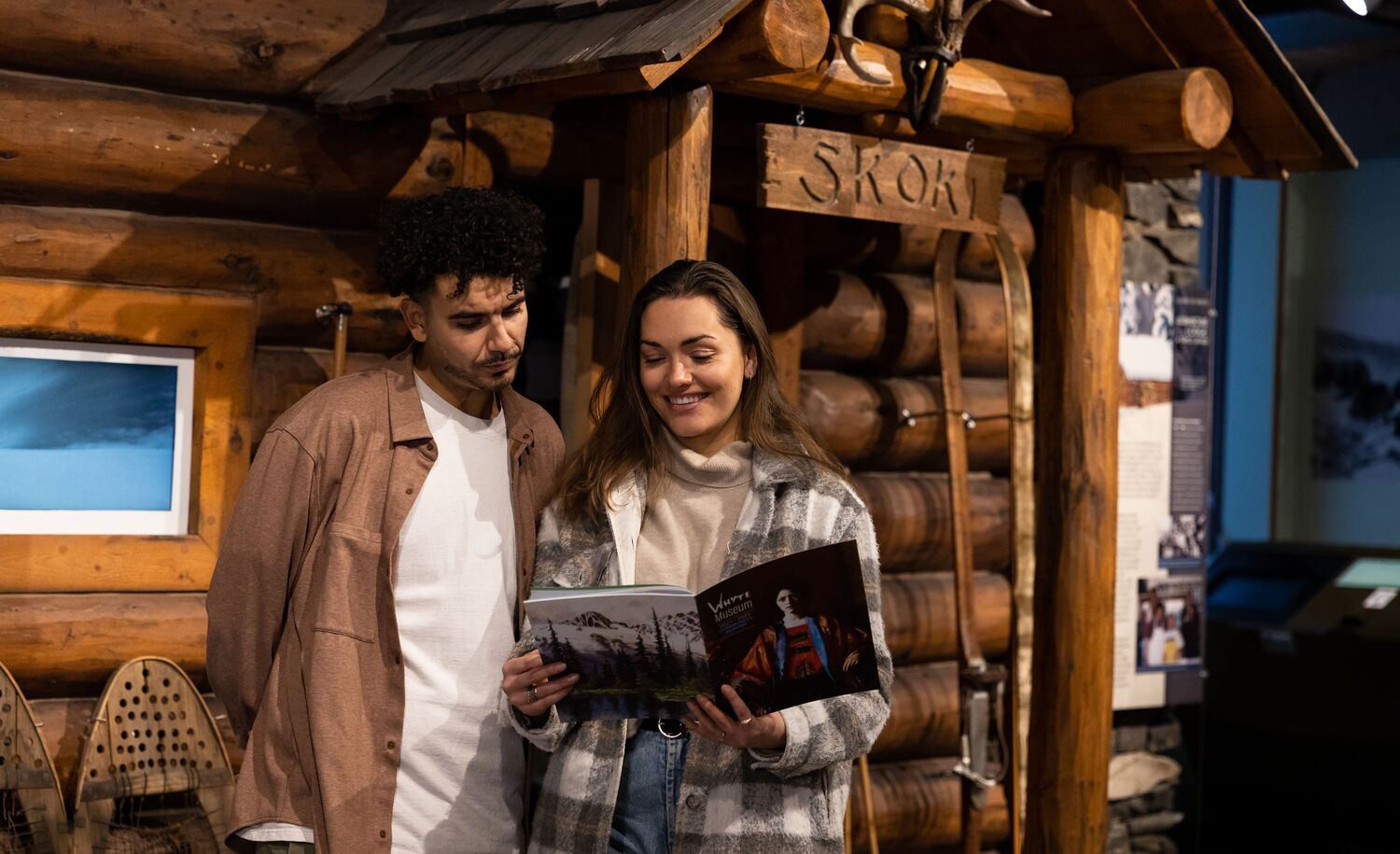
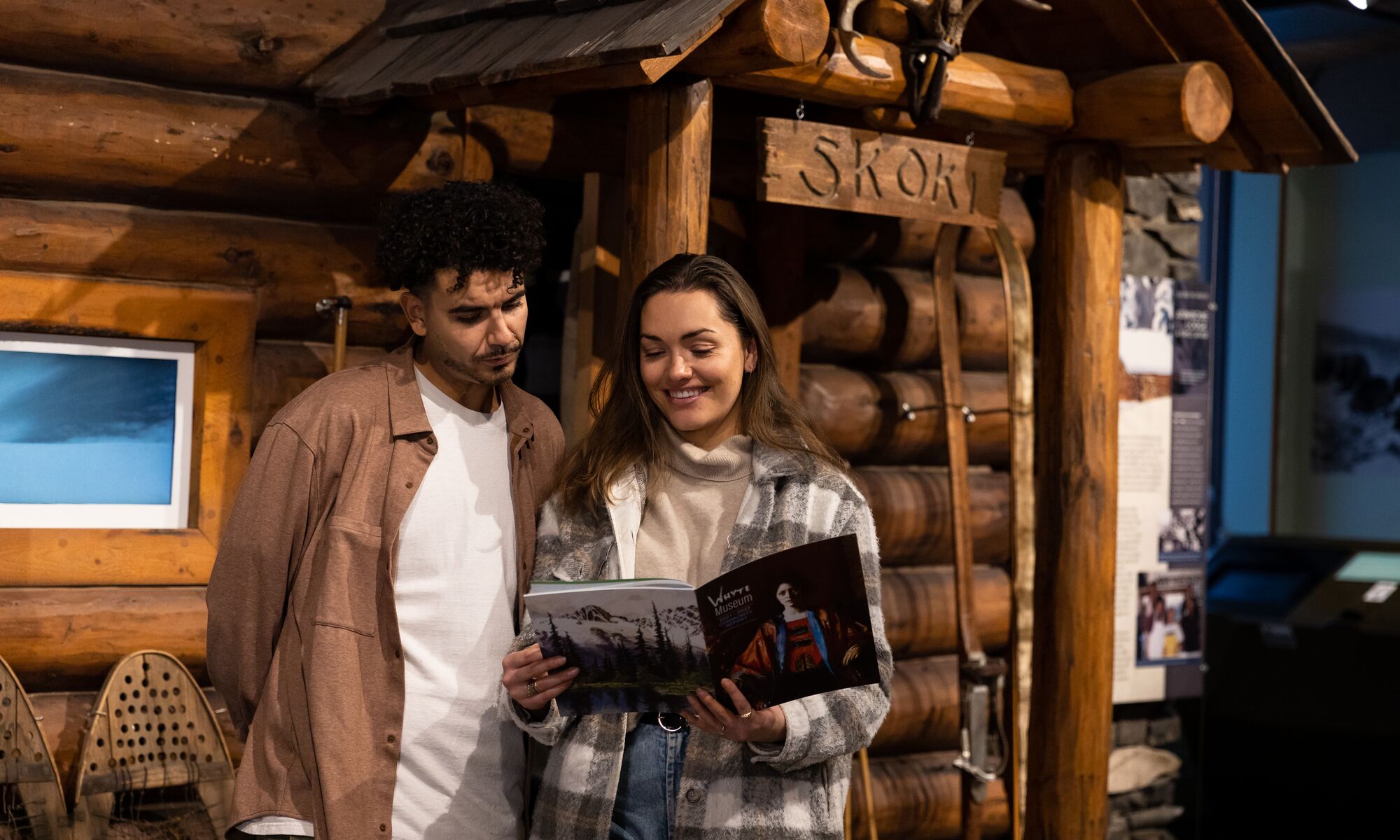
If you come for the views, there’s even more to uncover in the deeper connections and living histories that continue to shape this land. Local businesses, artists, cultural spaces, and residents all contribute to the experience you have here.
Caring for the Banff and Lake Louise communities can include making time for local culture, supporting independent businesses, and moving through shared, inclusive spaces with patience and curiosity. Be a responsible traveller by learning more about the area and your role in protecting it: read local signage, talk to locals, visit museums, or stop at historical sites.
You can also support local communities by reducing your waste. Every day in Banff National Park, 1,000 single-use cups are thrown out within two blocks ofthedowntown , but there is a more sustainable solution. You can do your part by bringing your own reusable mugs and containers or using Banff Borrows, a reusable mug program that lets you borrow a mug from a participating café and return it before you head home. In 2025 alone, Banff Borrows helped divert nearly 30,000 single-use items across the park.
Positive things happen when small shifts become part of your day. Learn more about respecting the community.
You Know Banff National Park. Here's How to Know It Even Better
If you’ve been to Banff and Lake Louise before, Park Mode is still for you. In some ways, it may be even more meaningful. You already know the icons and the rhythm of summer in Banff National Park. You know what makes a day here feel memorable and worth coming back for.
Because you know this place, you also have the chance to care for it so you can keep coming back for years to come. Park Mode is also your opportunity to lead by example and be part of a community that shows others how to care for Banff and Lake Louise the right way.
Here are a few simple ways to know Banff and Lake Louise even better:
- Take the shuttle to a place you usually drive.
- Bike a route you’ve always passed by.
- Check trail conditions before heading out.
- Leave time to visit a local shop, gallery, museum, or cultural space.
- Consider visiting your favourite places in Banff at a different time of year, such as spring or fall.
- If you’re exploring Banff in the summer, try going outside peak times, like weekdays early in the morning.
- Join a guided tour to see Banff in a whole new light and learning something new from expert guides.
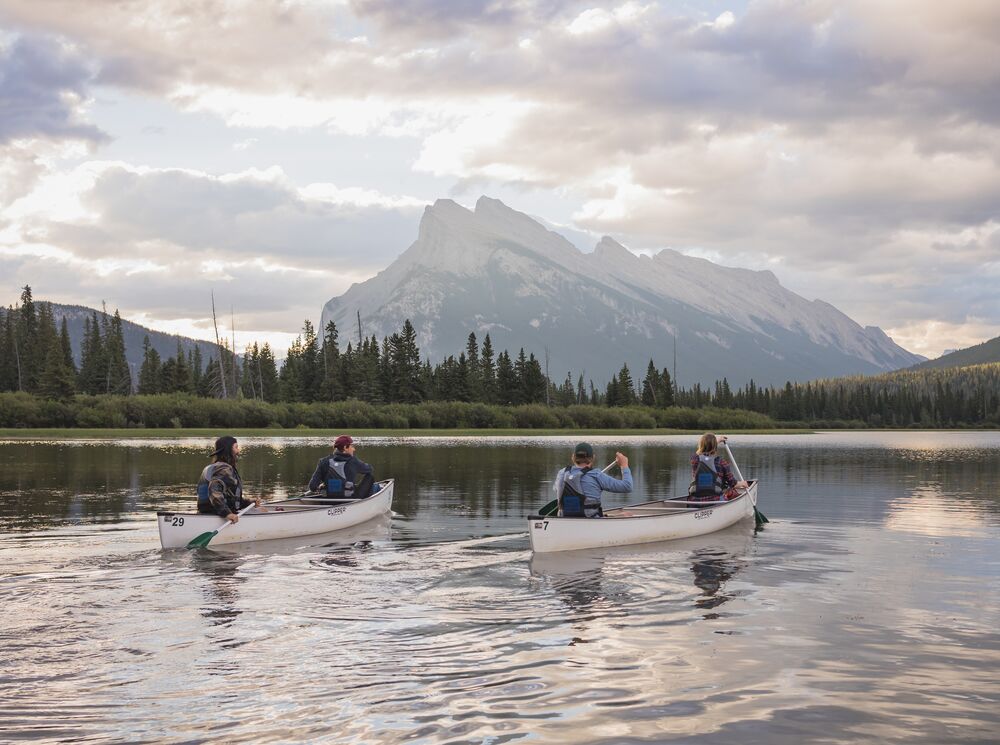
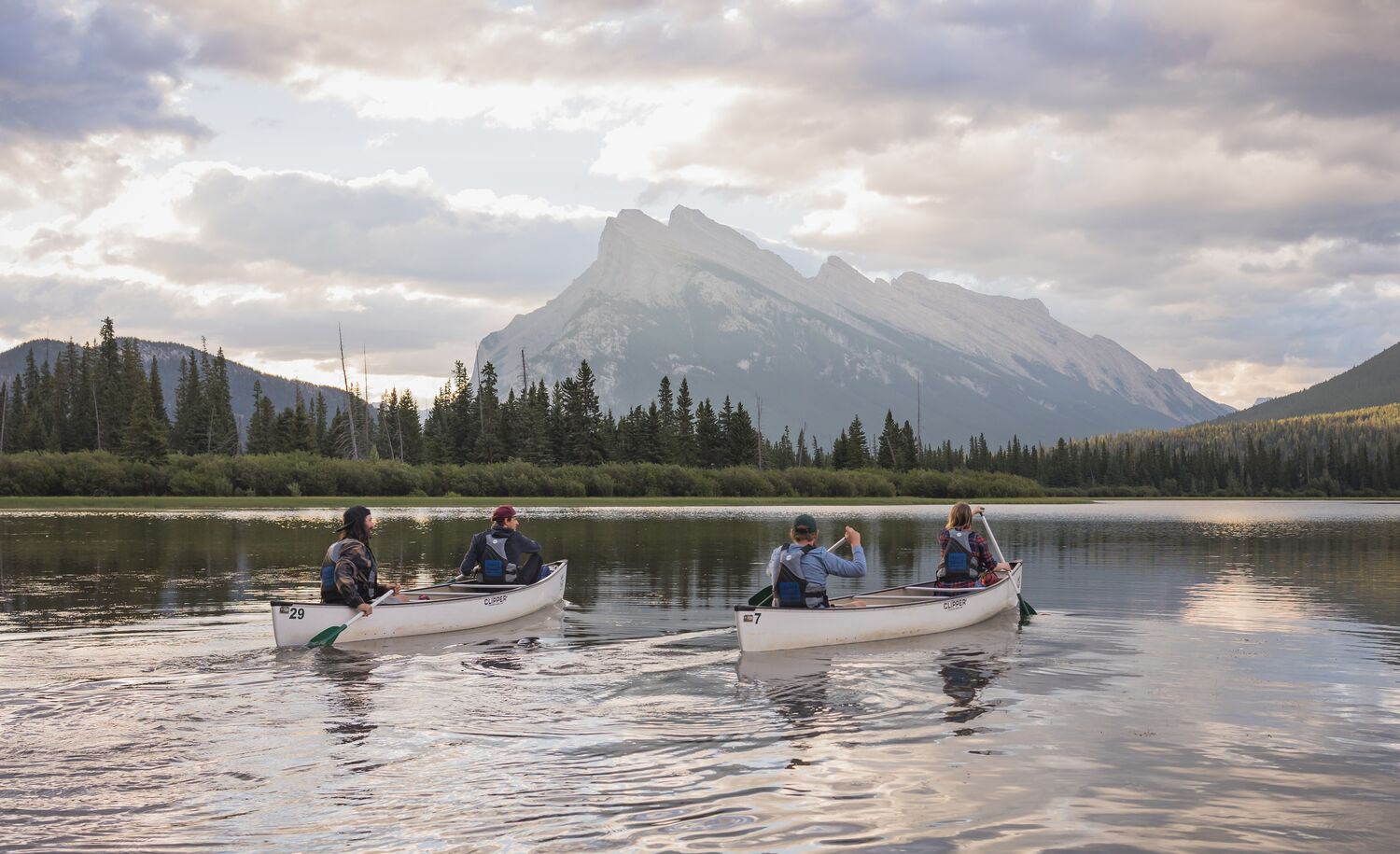
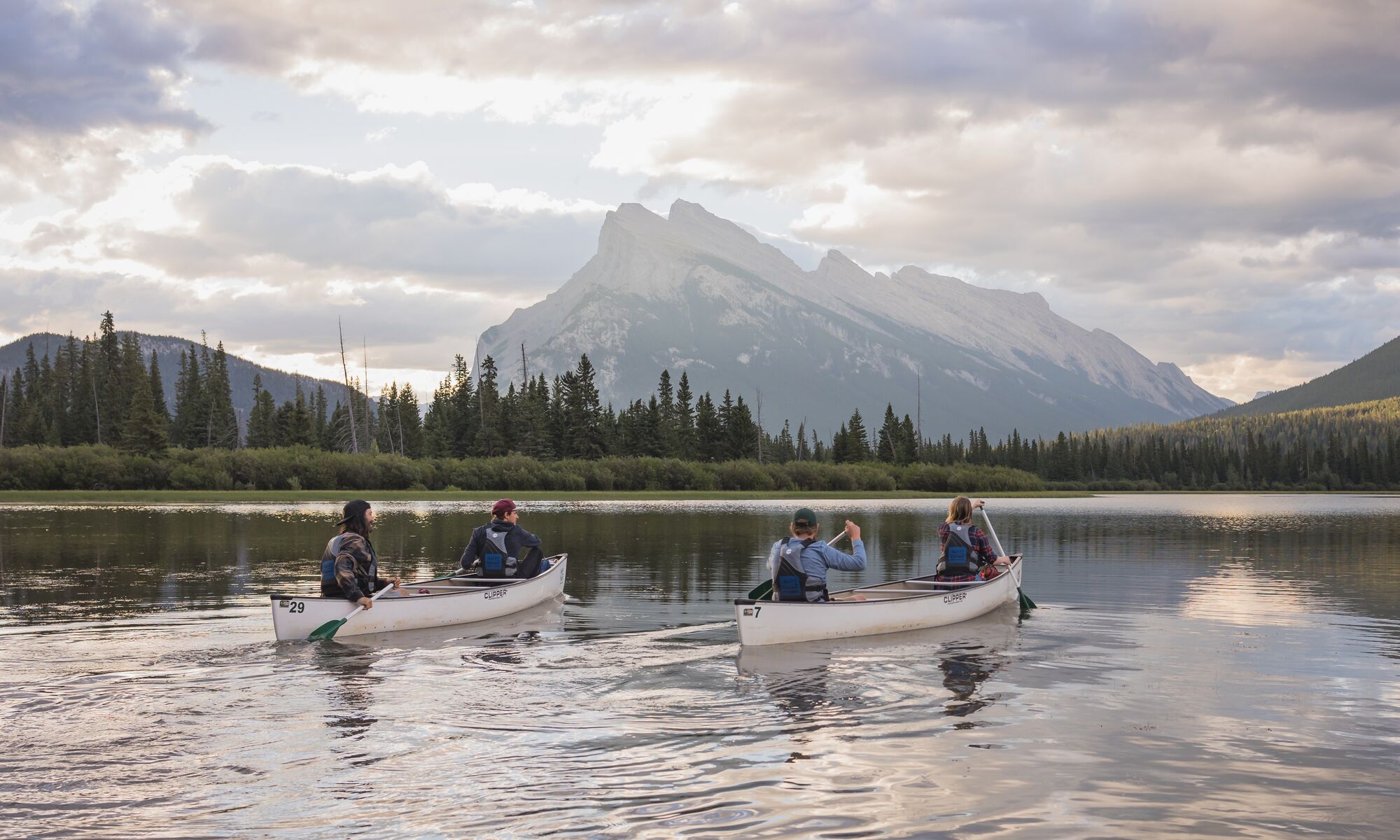
Once you’re in Banff National Park, shift into Park Mode and move through this place with care and respect. It’s the small choices that shape your day and have a big impact on the park. With a little preparation and a new appreciation for how to look after the park, you can spend more time enjoying moments that matter most and leave Banff National Park better than you found it.