The Best Time to Visit Banff National Park
Your planning guide on the best time to visit Banff National Park by season, highlighting activities, events, what to bring, how to get around, and the weather throughout the year. From summer hiking and fall larch viewing to winter skiing and spring travel, it helps you choose the ideal time to plan your Banff and Lake Louise adventure.

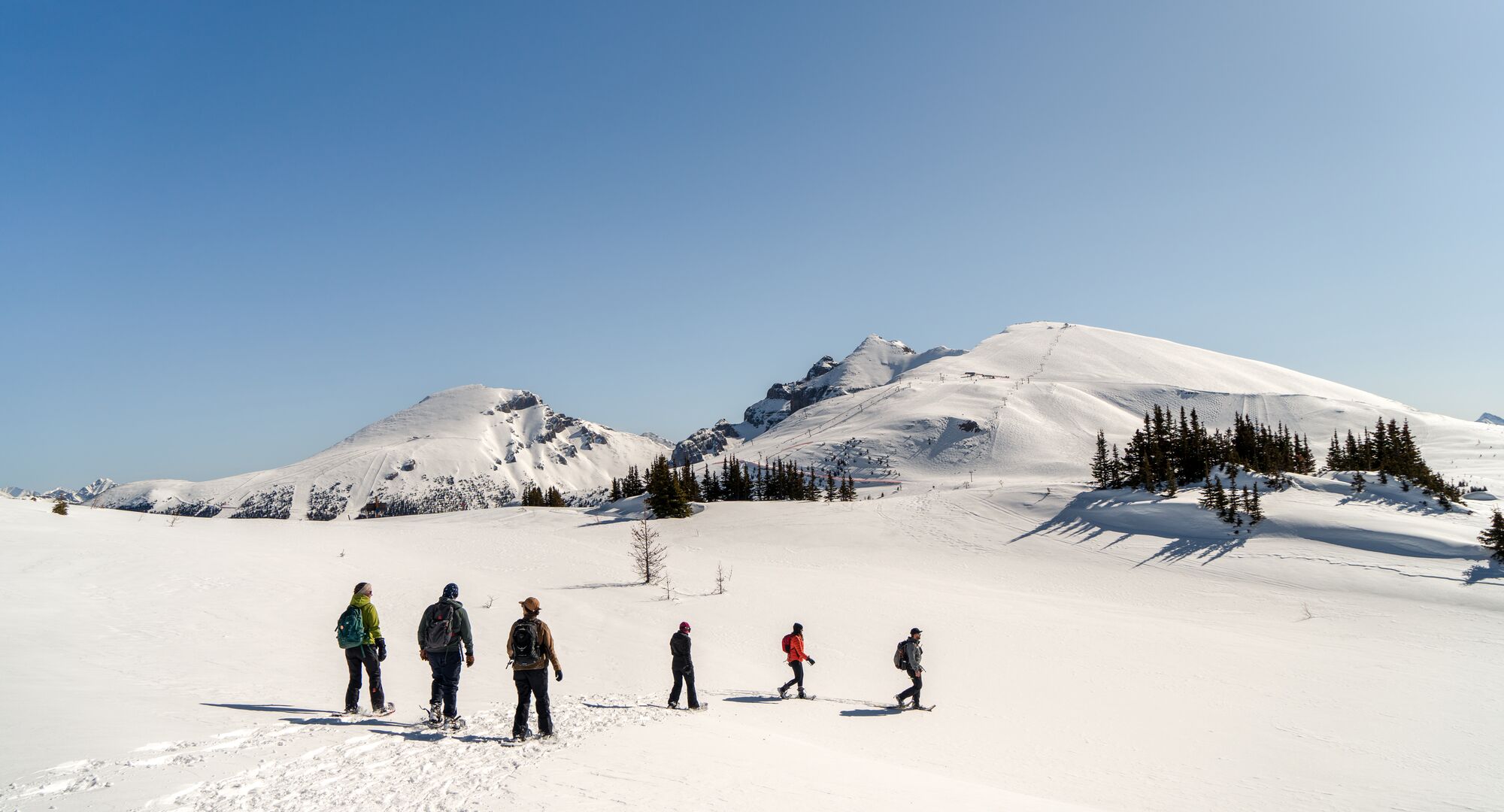
Planning a trip to Banff National Park and wondering when the best time to visit is? From snowy winter landscapes and ski season to summer hiking, turquoise lakes, and fall larch hikes, Banff and Lake Louise offer unforgettable experiences year‑round. The best time to visit Banff National Park depends on the activities you want to experience, the weather you prefer, and the landscapes you hope to explore and the type of travel experience you’re after.
Winter brings snow‑covered forests, cozy lodge vibes, and world‑class skiing alongside winter walks and fireside downtime.
Spring is a season of contrast, with thawing valleys, rushing waterfalls, and trails starting to open as the mountains transition from winter to summer.
Summer is all about long sunny days, alpine hiking, iconic turquoise lakes, and making the most of Banff’s outdoors from morning to evening.
Fall delivers crisp air, golden larch hikes, and some of the most striking scenery of the year.
This complete planning guide breaks down each season in Banff National Park, highlighting seasonal weather, top activities, and key travel considerations to help you decide when to go to Banff for your ideal mountain getaway.
Why Visit Banff National Park in Winter
If you are looking for snow-capped mountains, frozen lakes, and frost-fringed forests then the best time to visit Banff would be winter. From November through March Banff is transformed into a winter wonderland. As fresh snowfall blankets Banff and Lake Louise, you are surrounded by iconic alpine scenery, crisp mountain air, and stunning views at every turn.
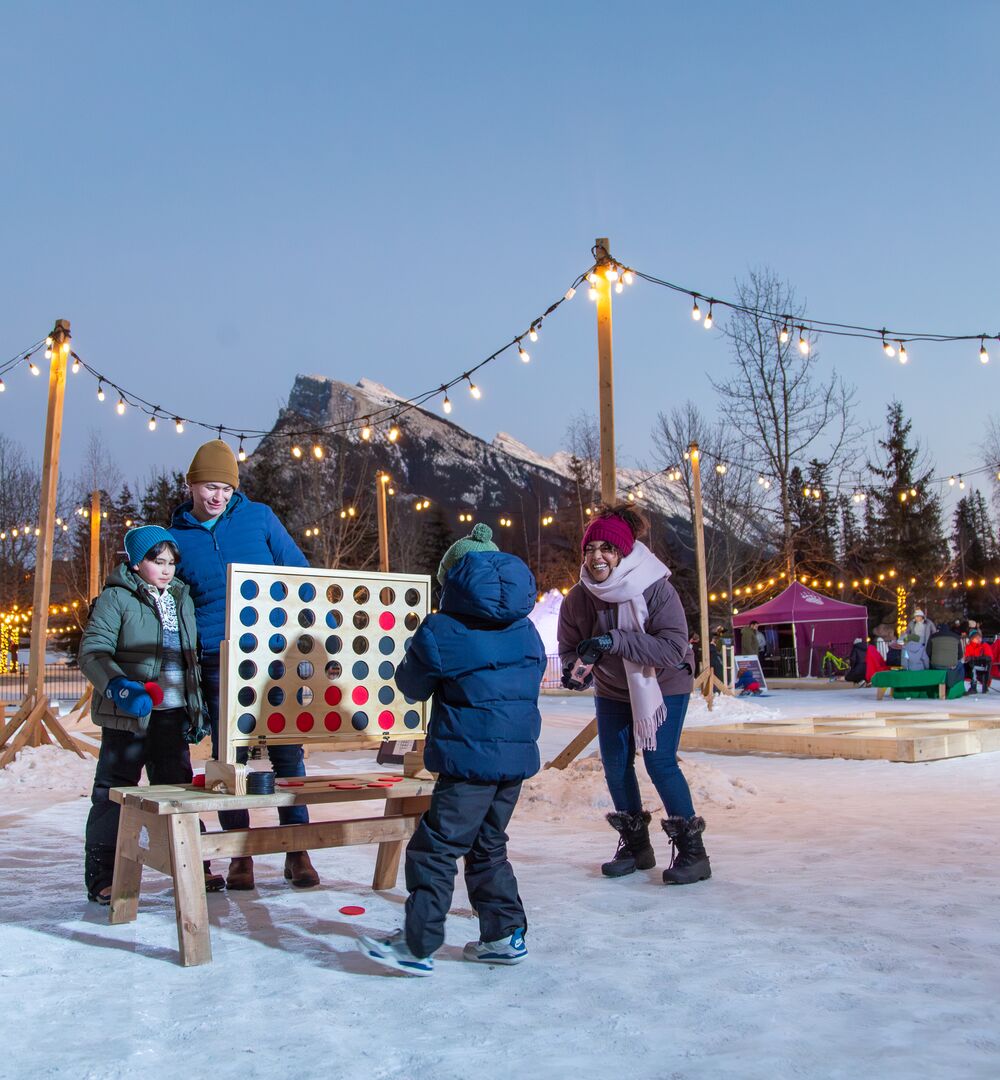
Winter in Banff National Park is a season for skiing at nearby resorts, skating on outdoor rinks, and winter sightseeing along snow‑covered parkways. Frozen lakes, alpine viewpoints, and short, scenic walks offer easy ways to experience Banff during the day in winter, while the town of Banff adds seasonal events, lights, and après‑style dining to the mix. Winter in Banff and Lake Louise is a season built around outdoor adventure.
Monthly Things to Do in Banff in Winter
Best Winter Activities in Banff
With world‑class winter activities, snow‑covered scenery, and a mix of both high‑energy and laid‑back experiences, winter is one of the best times to visit Banff. Whether you’re seeking iconic adventures, winter landscapes, or a cozy mountain getaway, Banff in winter feels both magical and unforgettable.
Skiing and Snowboarding
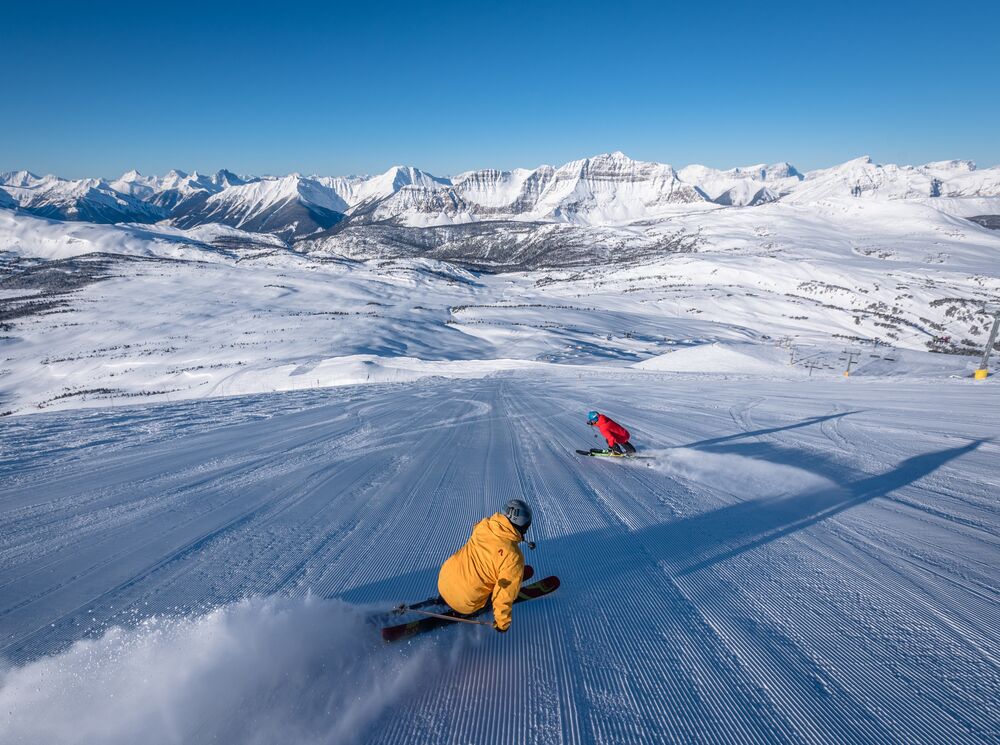
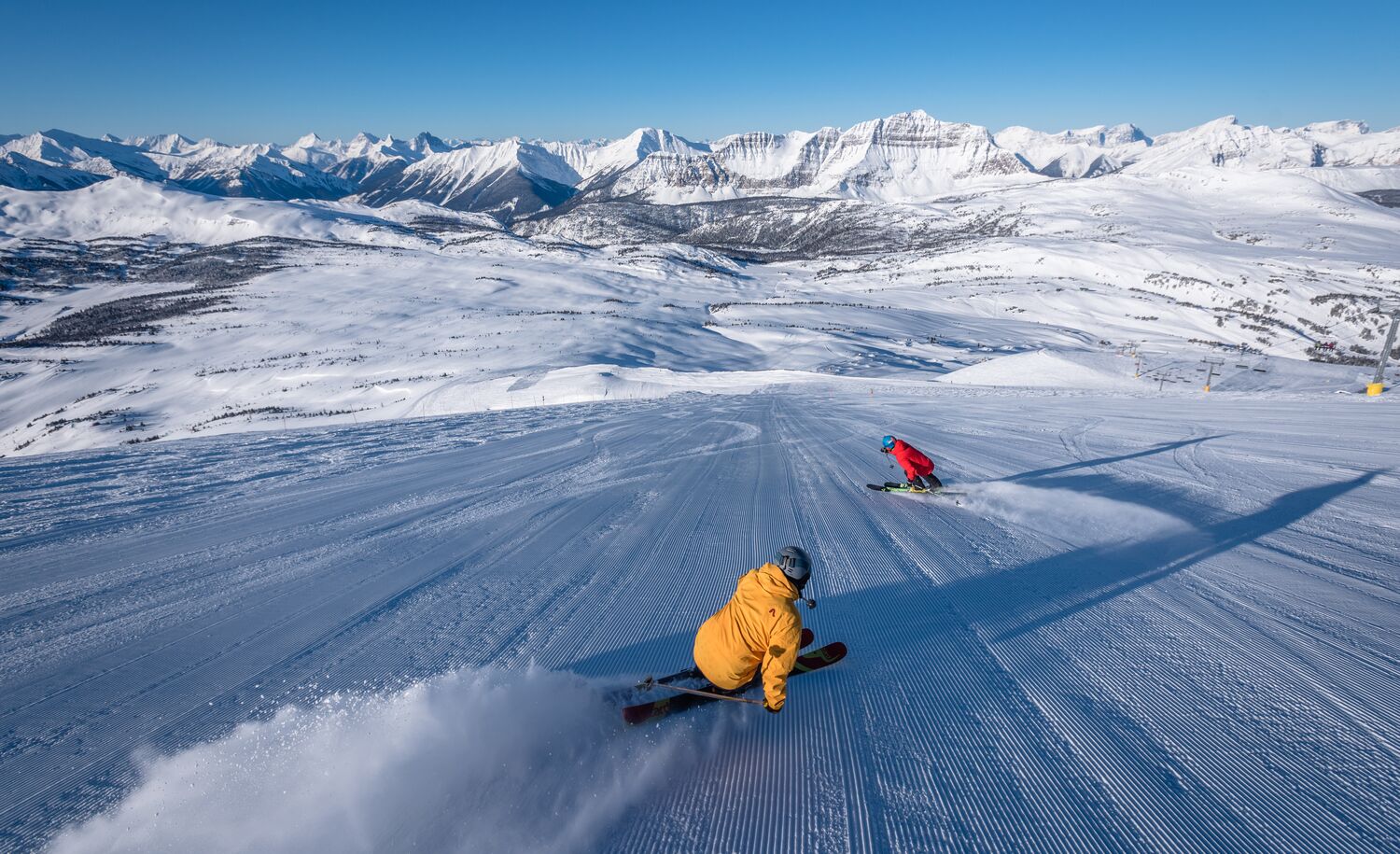
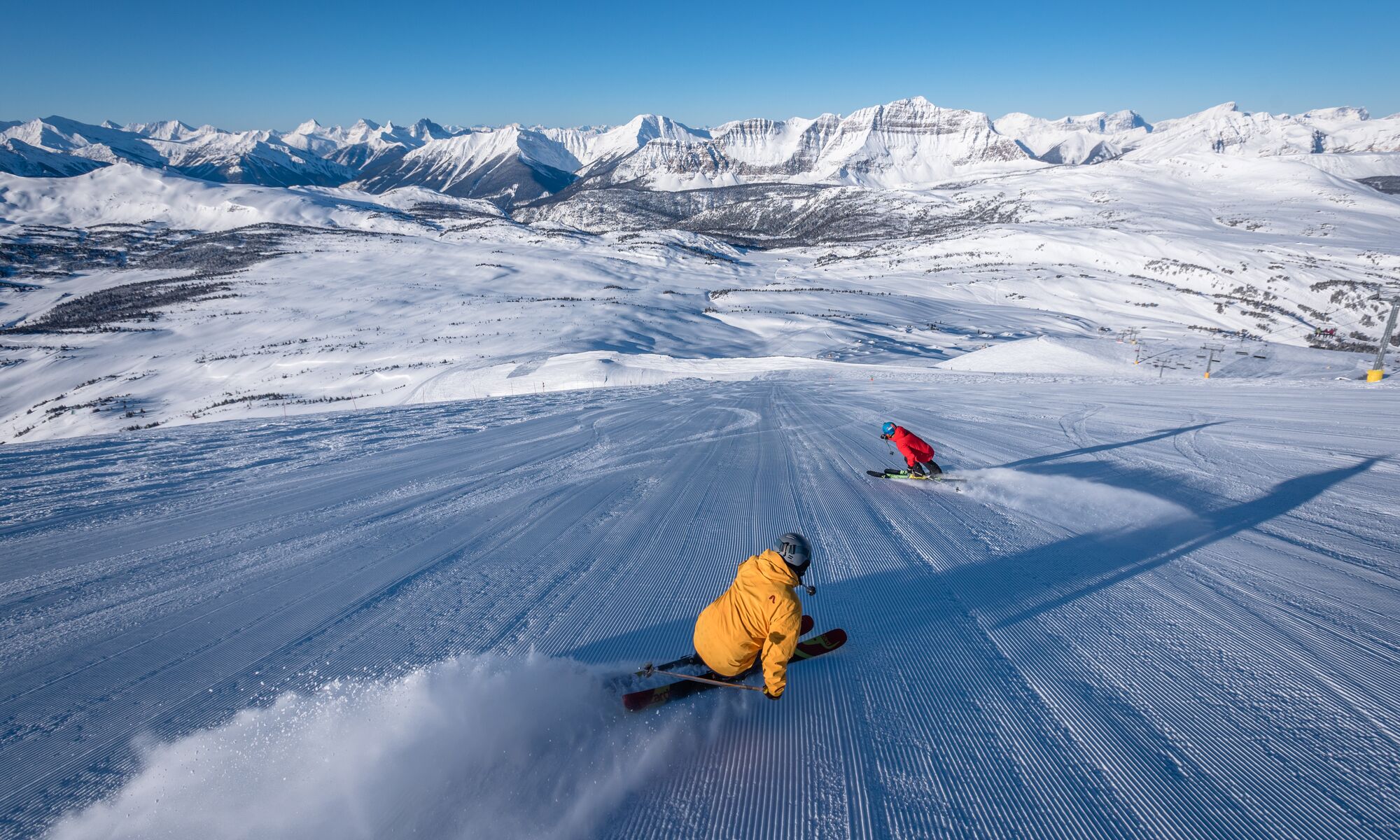
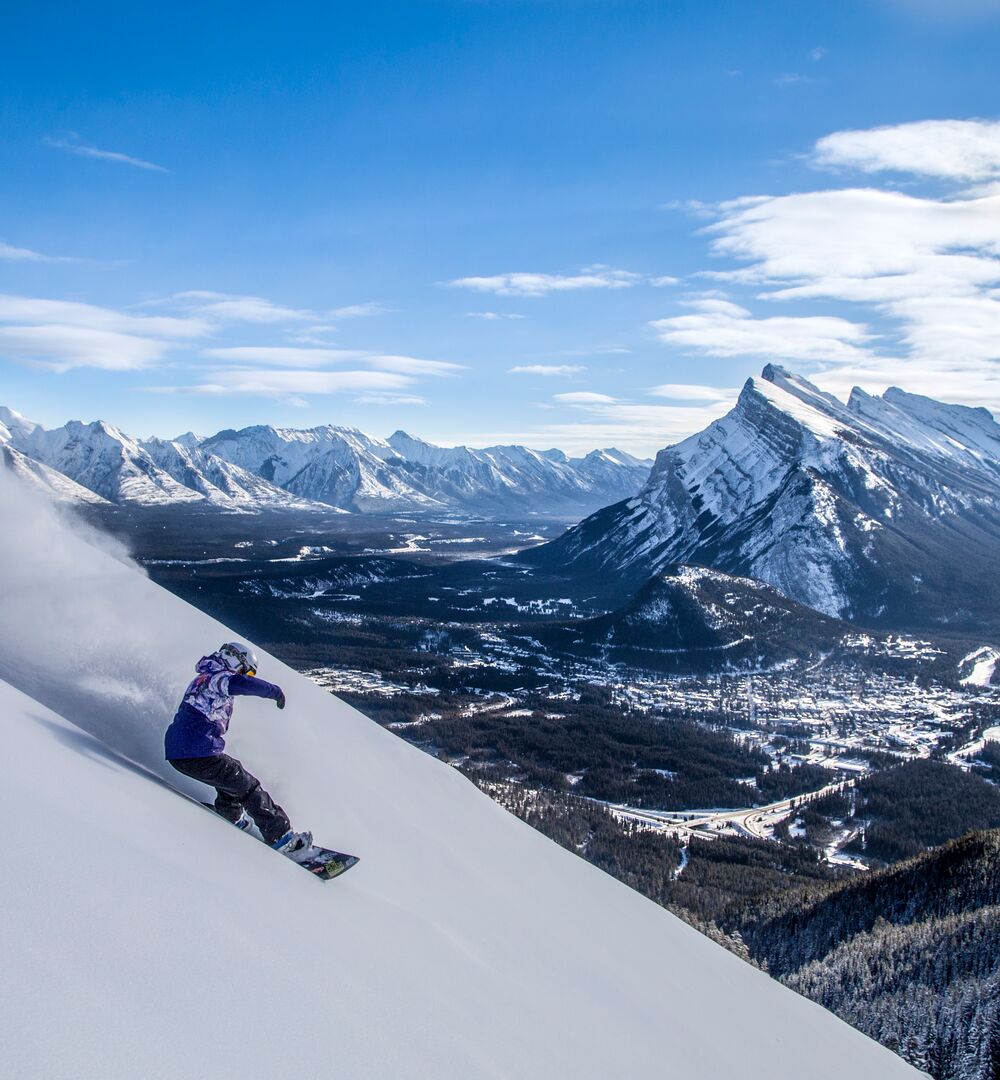
Skiing and snowboarding are a cornerstone of winter in Banff and Lake Louise. You’ll love the expansive terrain, reliable snow conditions, and unforgettable alpine views. All three ski resorts, Mount Norquay, Sunshine Village, and Ski Lake Louise, are open from November into May, which makes it one of the world's longest non-glacial ski seasons. And they are all just 45 minutes apart, meaning you can easily ski three different resorts in one trip.
Outdoor Adventures
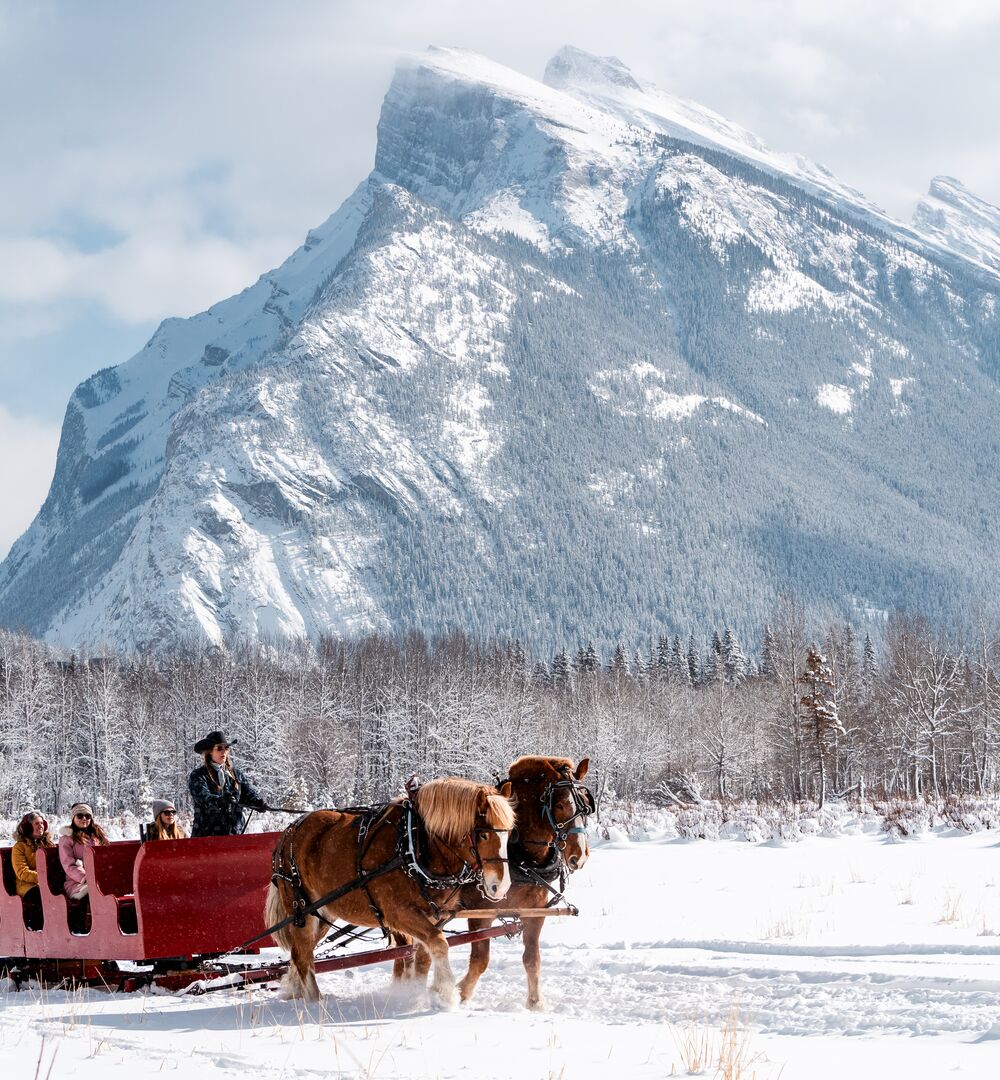
Winter in Banff National Park is packed with outdoor adventures. Experience iconic Canadian winter activities like dog sledding through snow‑covered forests, snow tubing at dedicated hills, and horse‑drawn sleigh rides that showcase Banff and Lake Louise’s mountain scenery while celebrating the area’s western heritage.
Ice skating is a winter classic, with Lake Louise offering one of the most iconic skating experiences in the Canadian Rocky Mountains. Guided sightseeing tours make it easy to explore Banff’s top attractions, from highlights around the town of Banff to scenic drives along the Icefields Parkway.
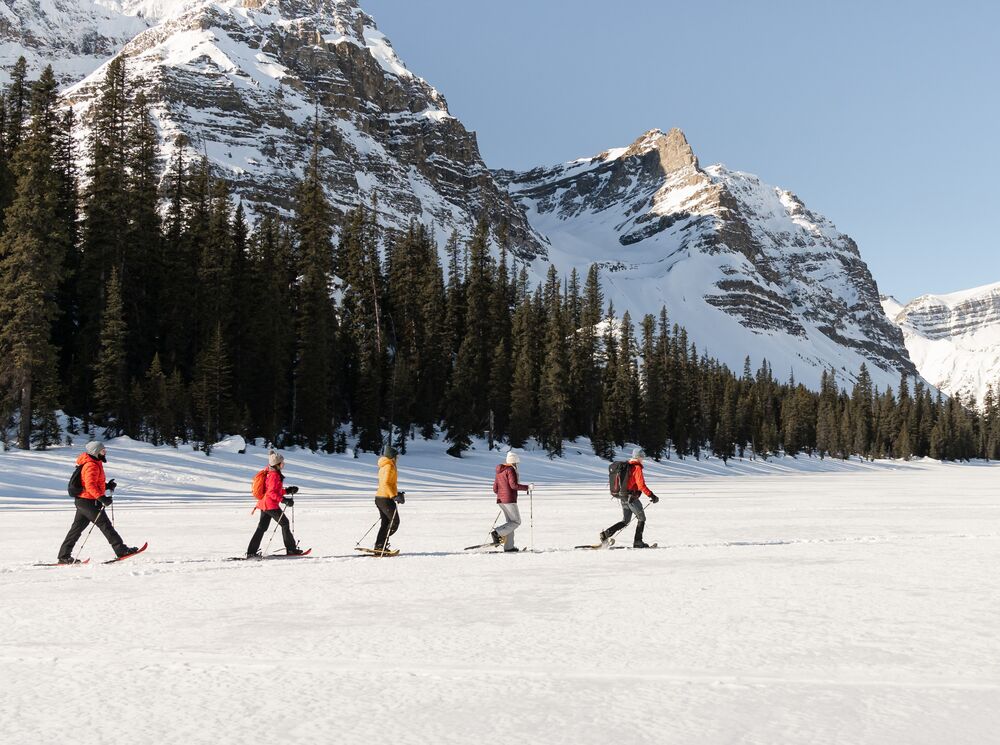
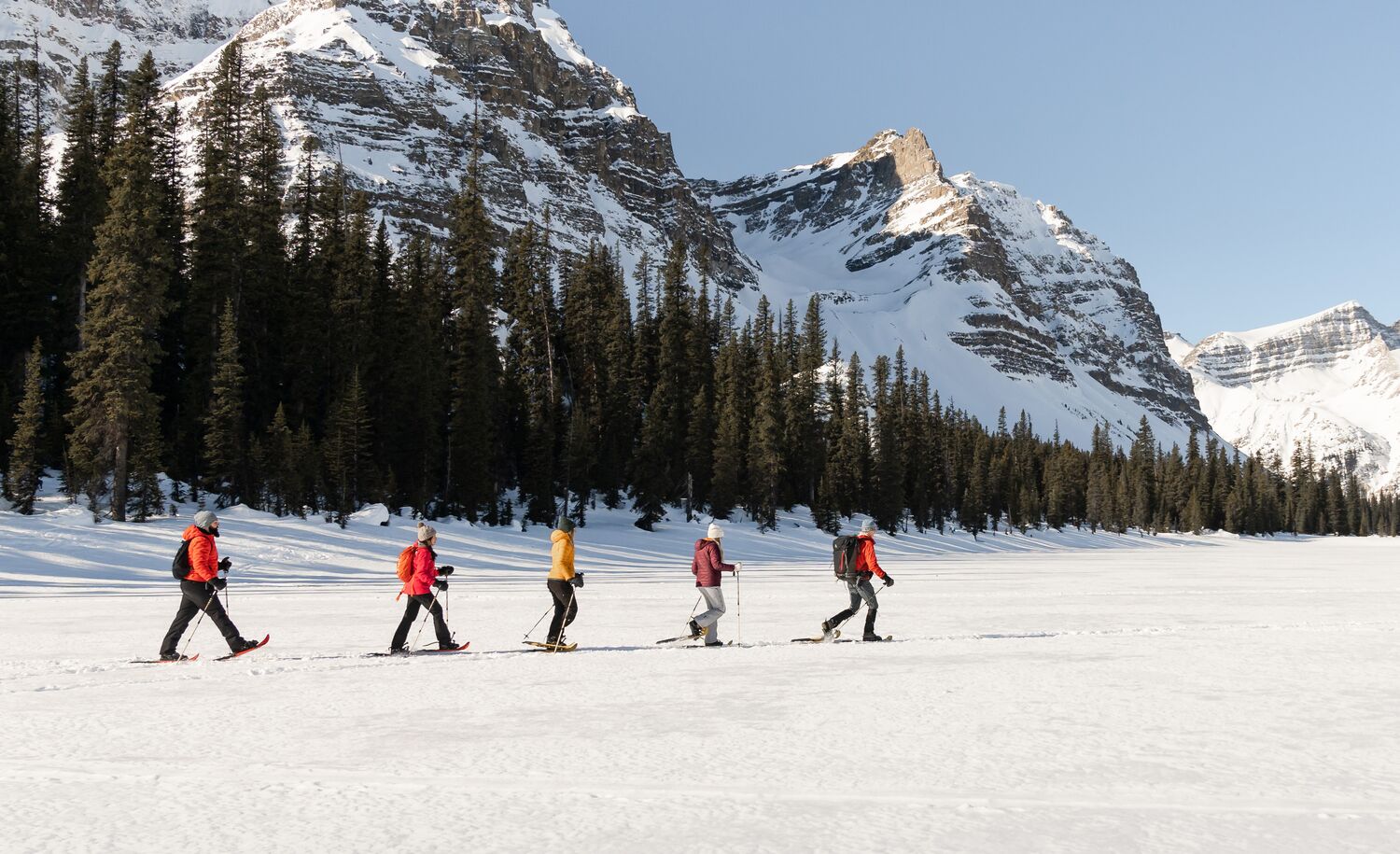
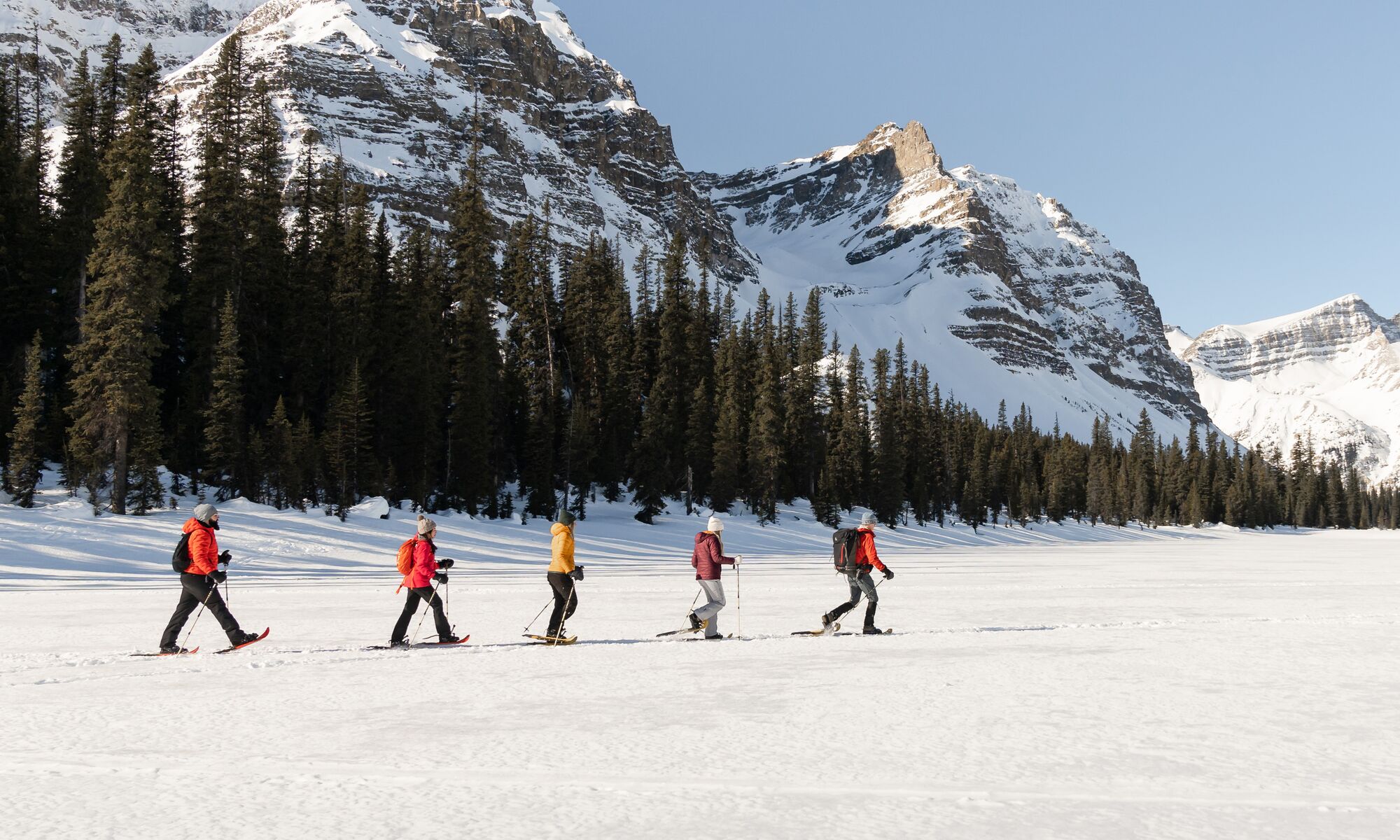
With even more ways to get outside, like snowshoeing, fat biking, and cross country skiing, you’ll need more than a few days to experience everything winter in Banff has to offer.
Wellness
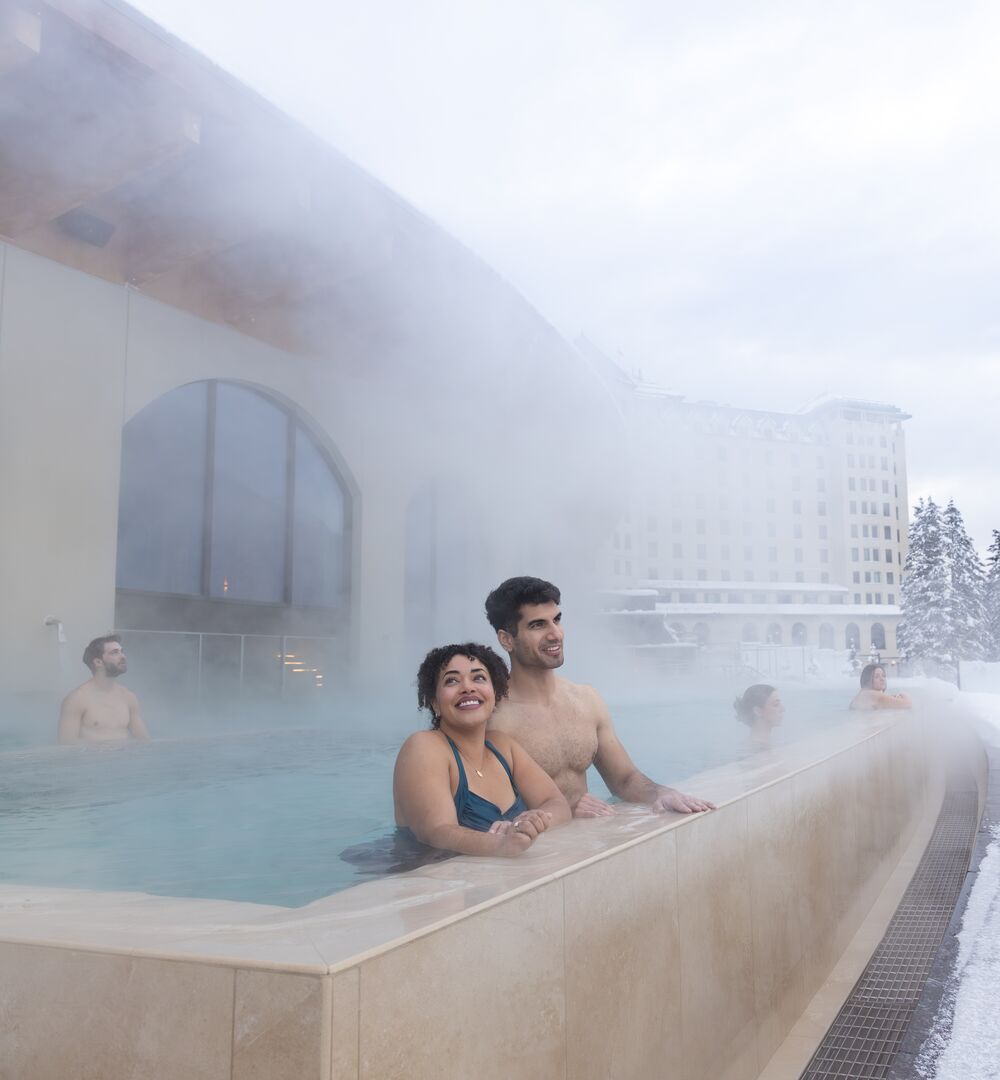
After a day in the snow, winter in Banff is also about warming up and unwinding. Soaking in the Banff Upper Hot Springs while snow falls around you is a quintessential winter experience and one of the top things to do in Banff National Park. Many hotels also feature outdoor hot pools and saunas, allowing guests to relax in warm mineral water surrounded by alpine views.
Winter Weather
Winter in Banff National Park is defined by cold temperatures, reliable snowfall, and some of the clearest blue‑sky days of the year. From November through March, temperatures typically remain below freezing, creating ideal conditions for winter activities and iconic snow‑covered scenery.
- November marks the start of winter, with average daytime highs around 0 to 5°C and colder overnight lows. Snowfall becomes more consistent, and daylight averages about 9 hours.
- December to February are the coldest months, with average daytime temperatures ranging from ‑2 to ‑10°C, and overnight lows often dipping to ‑15°C or colder. Snowfall is frequent but usually light and dry, keeping conditions crisp rather than damp.
- March brings slightly warmer days, often hovering just below or above 0.
Banff National Park receives snowfall throughout the winter season, with snow typically accumulating from late October through April. While storms are regular, snowfall is often spread out, helping maintain clear roads, trails, and town pathways
What to Wear in Winter in Banff
Dressing appropriately is essential for enjoying winter in Banff comfortably. Warm, adaptable layers allow you to enjoy everything from short scenic walks to full days outdoors.
What to pack:
- An insulated winter jacket.
- Thermal base layers.
- Waterproof, insulated winter boots with good traction.
- Warm socks.
- Hat, gloves or mittens, and a scarf or neck warmer.
- Sunglasses for bright, reflective snow days.
Layering lets you stay warm while adjusting to changing temperatures throughout the day, especially if you’re moving between outdoor activities and indoor dining, shopping, or après‑adventure moments.
Winter Events
Winter in Banff is filled with seasonal events that add warmth, flavour, and festive energy to snowy mountain days.
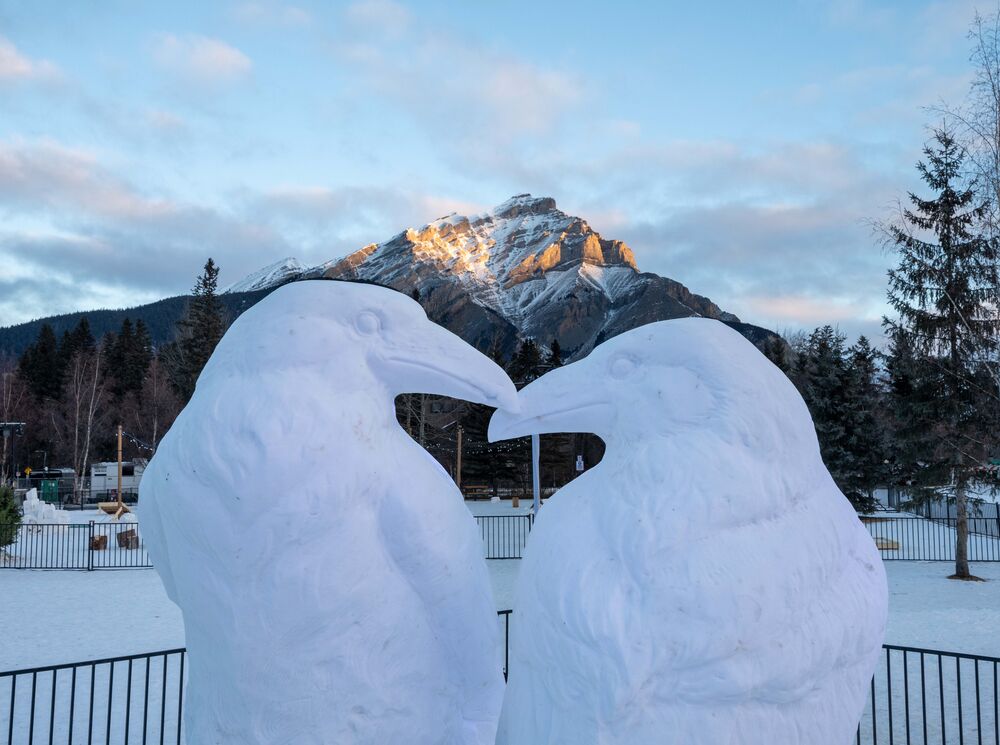
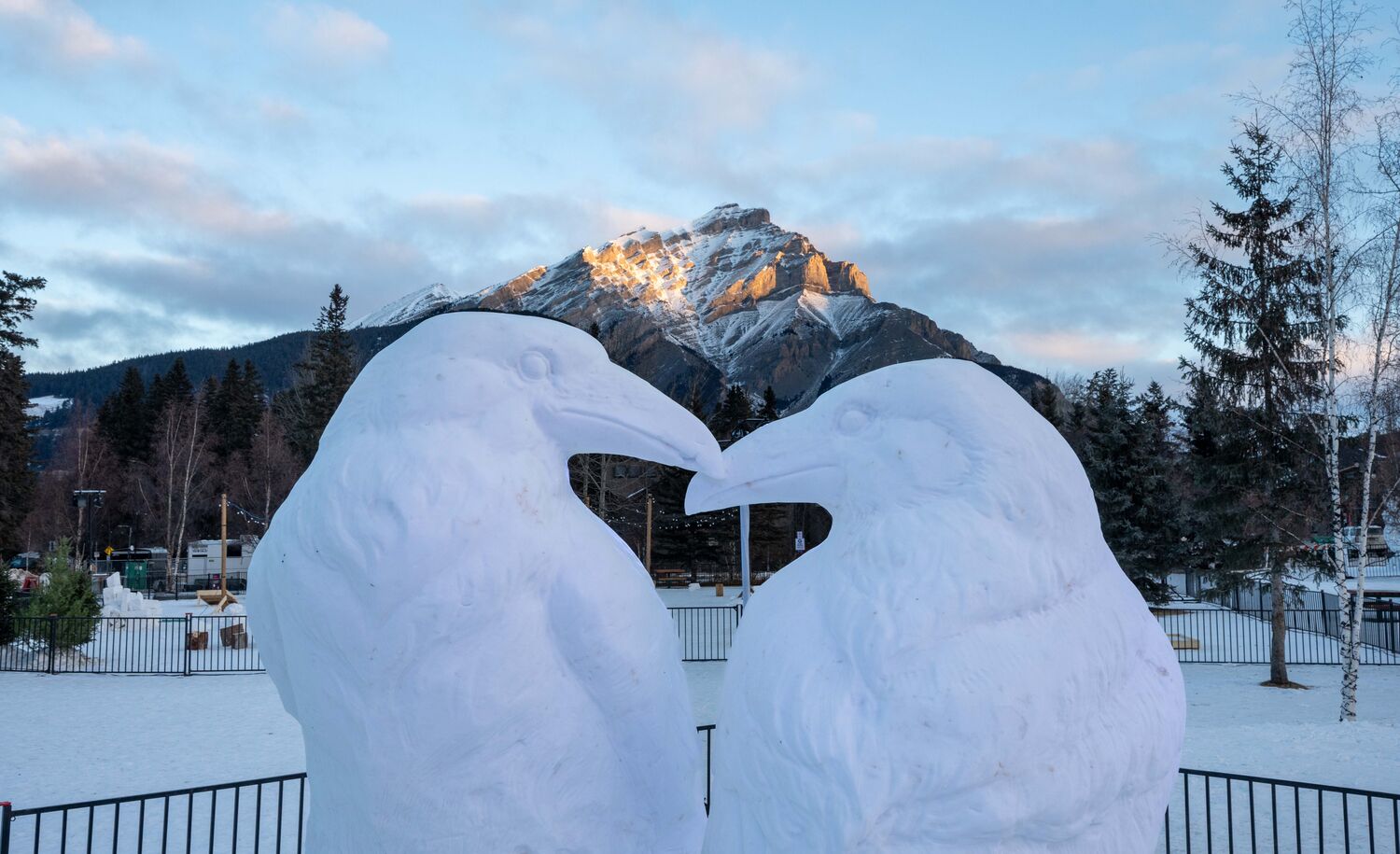
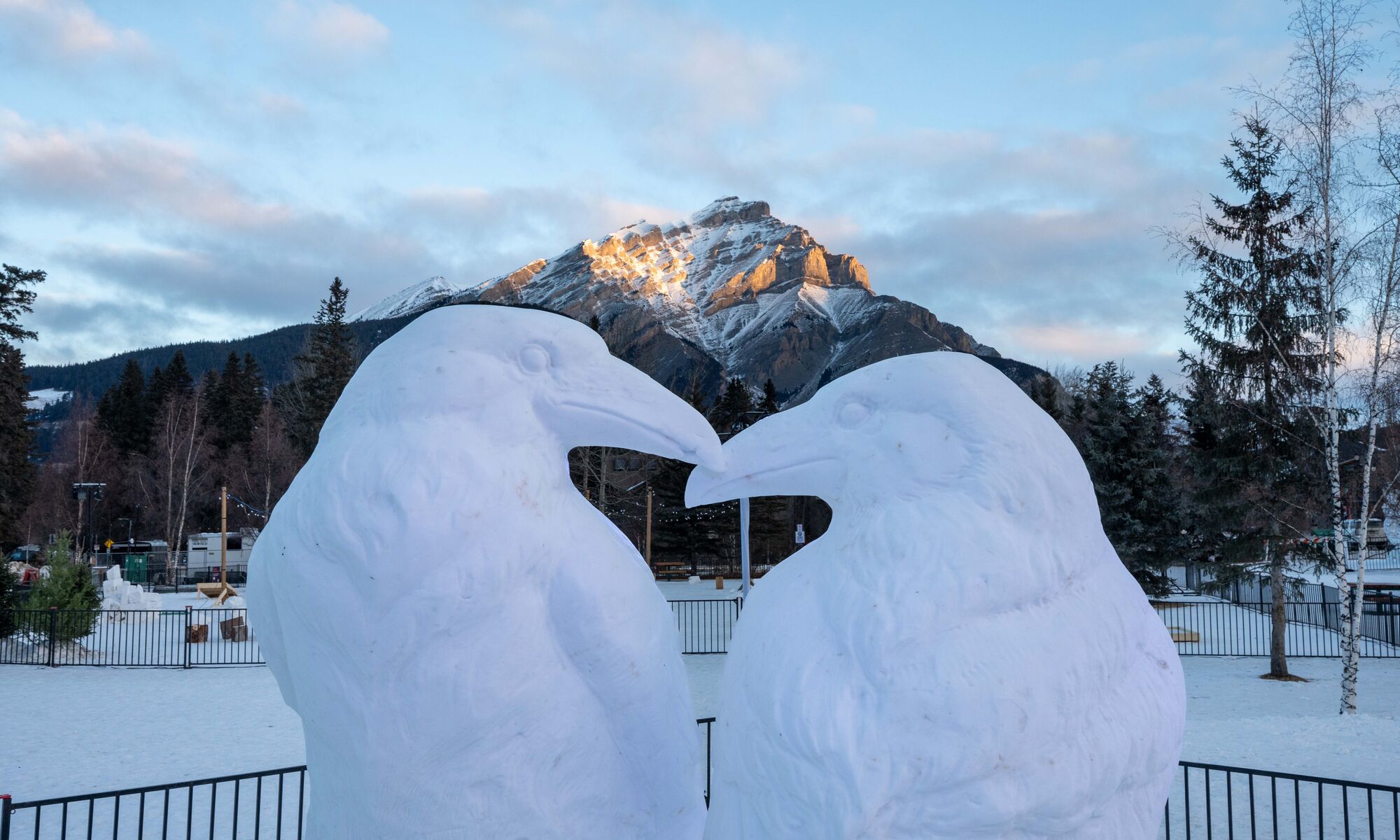
Signature celebrations like the SnowDays Festival bring snow sculpting, winter sports, and lively programming to the heart of town, while the Banff & Lake Louise Hot Chocolate Trail invites visitors to warm up with creative, locally inspired treats at cafés and restaurants throughout the season.
November signals the transition into winter, with the first festive experiences such as In Search of Christmas Spirit begin.
December centres on the holidays, featuring Christmas markets, festive light displays, and seasonal favourites like A Very Vintage Mountain top Christmas at the Banff Gondola.
January delivers winter celebrations, including the SnowDays Festival, with large‑scale snow sculptures, live ice carving, and events across Banff and Lake Louise.
For more inspiration and up‑to‑date details, explore our winter events page to see what’s happening during your visit.
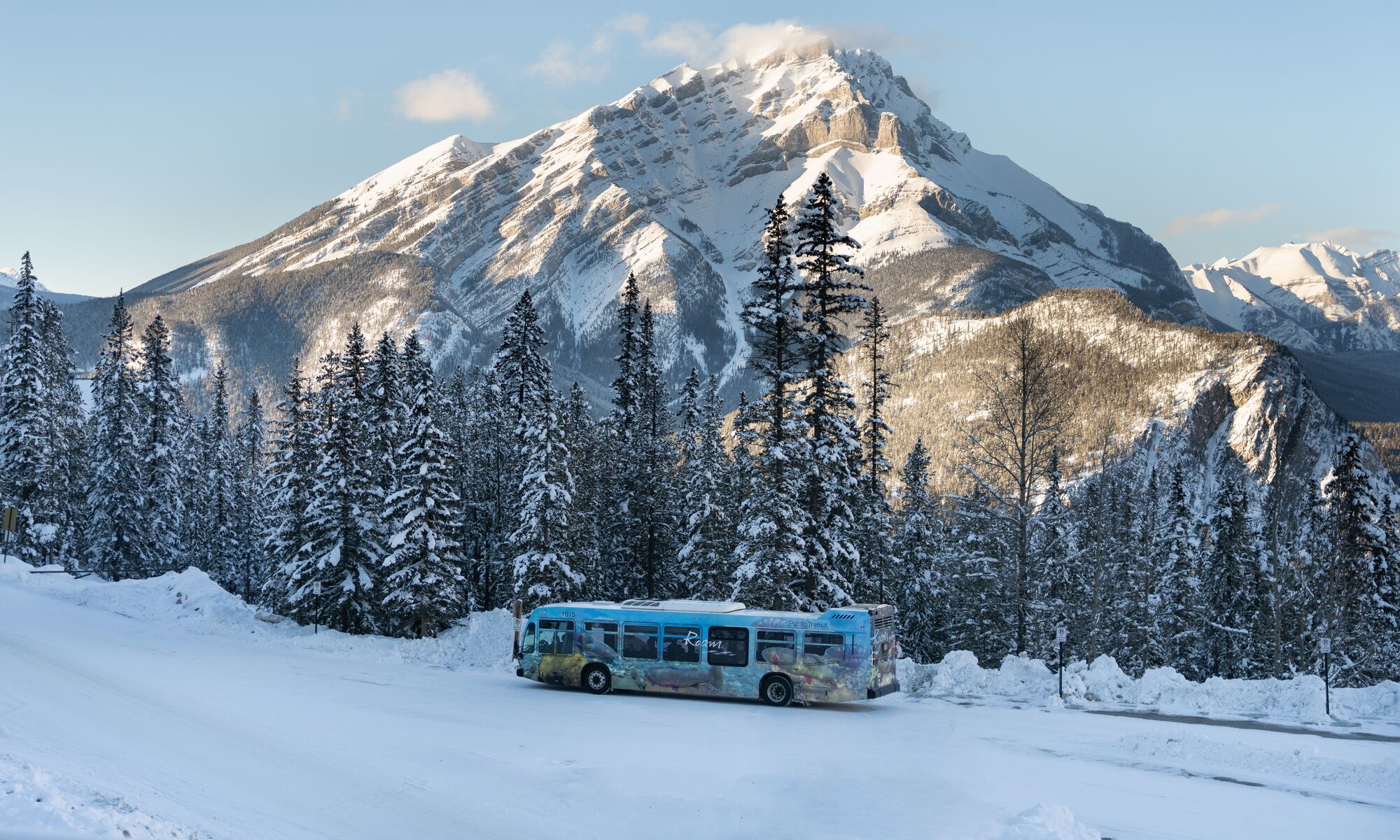
How to Get Around Banff and Lake Louise in Winter
Getting around Banff National Park in winter is simple and stress‑free, even when snow blankets the roads.
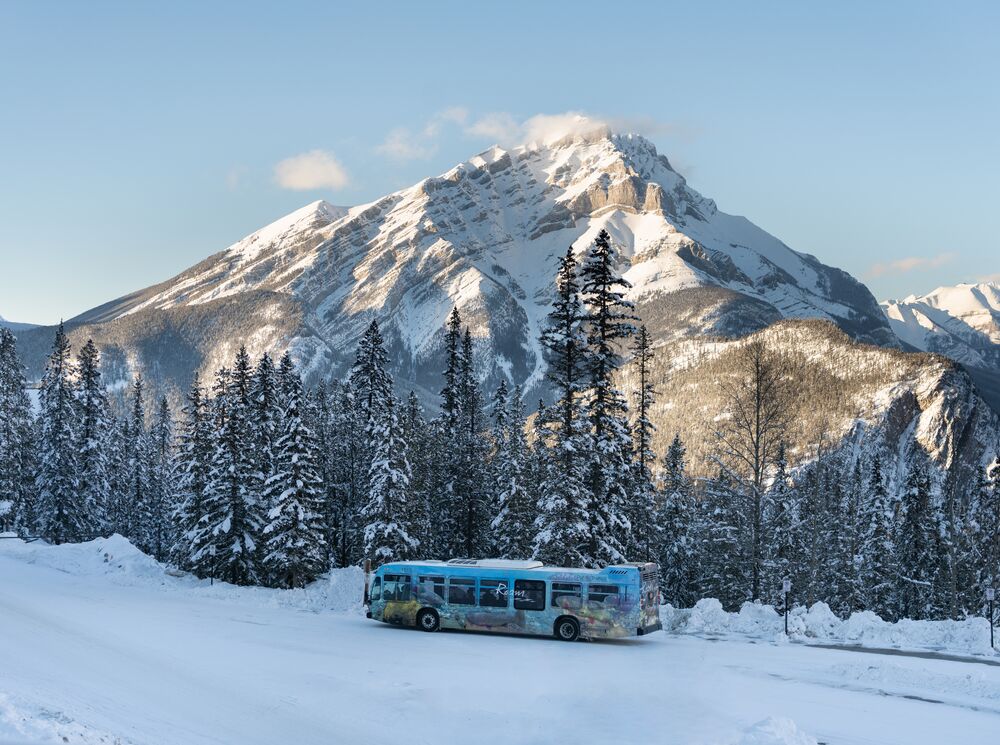
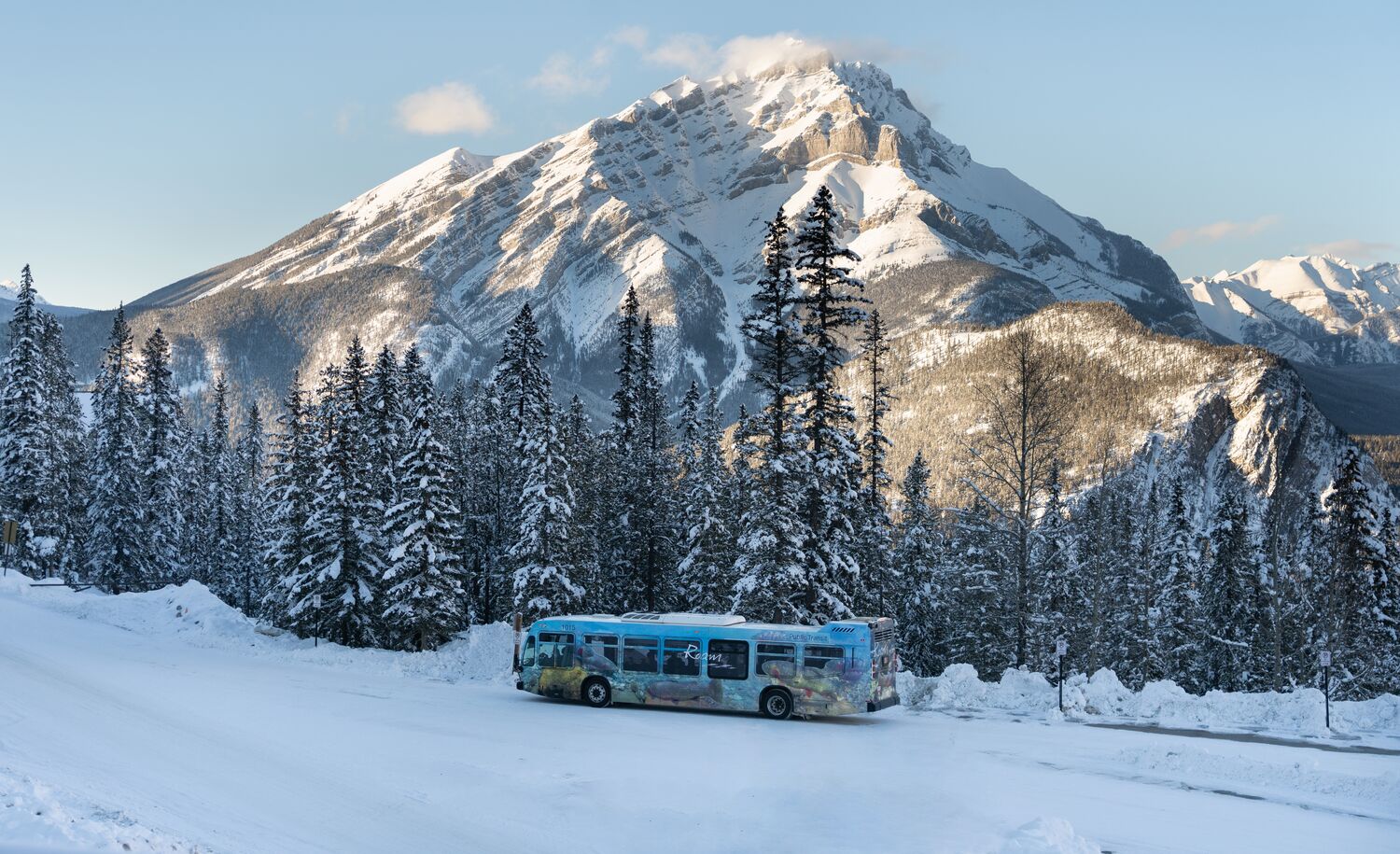
Roam Public Transit operates year‑round, connecting the town of Banff with Lake Louise and other key areas, making it easy to explore without a car.
Free ski shuttles run throughout the winter season, offering convenient access to the ski resorts from Banff and select accommodations.
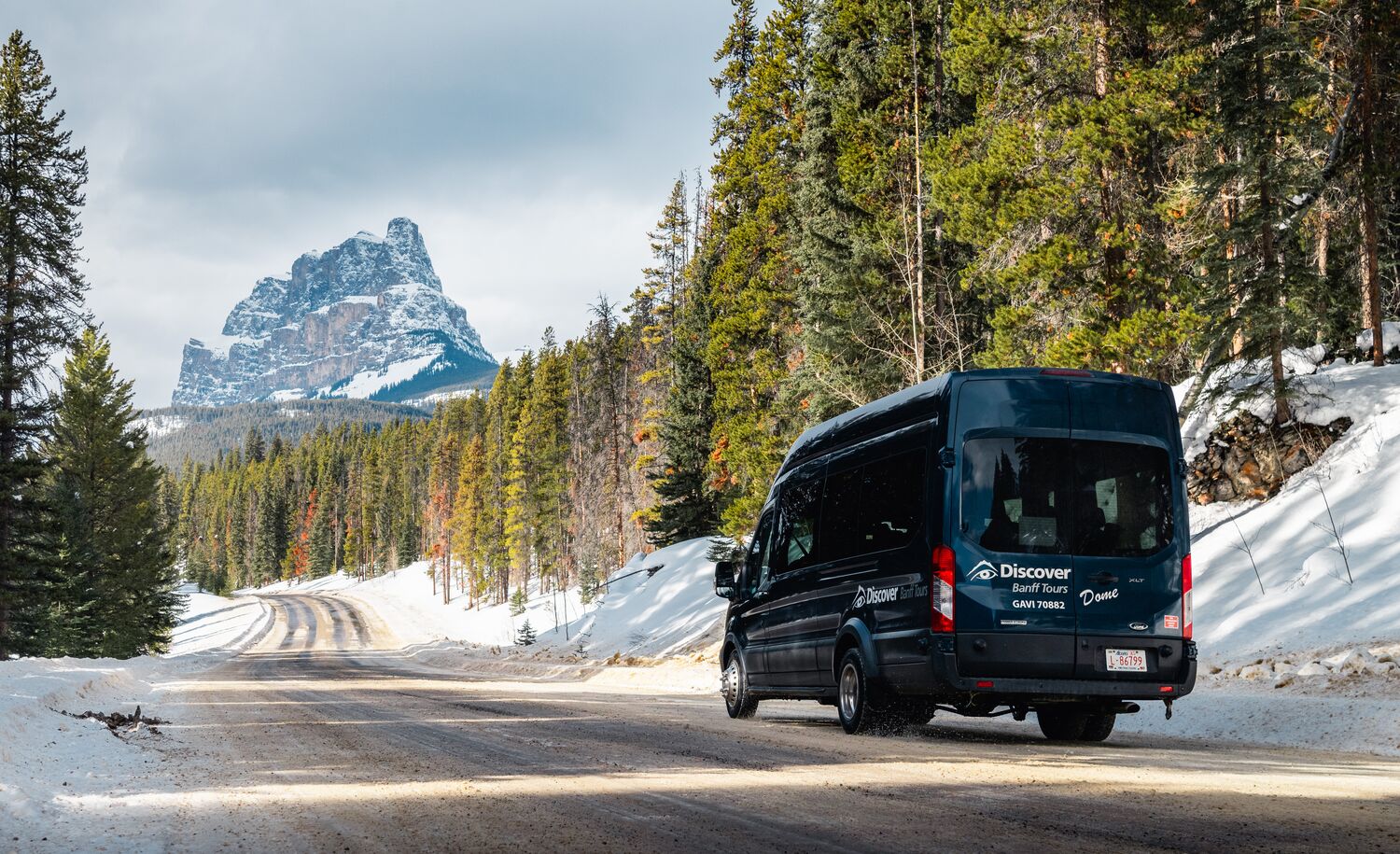
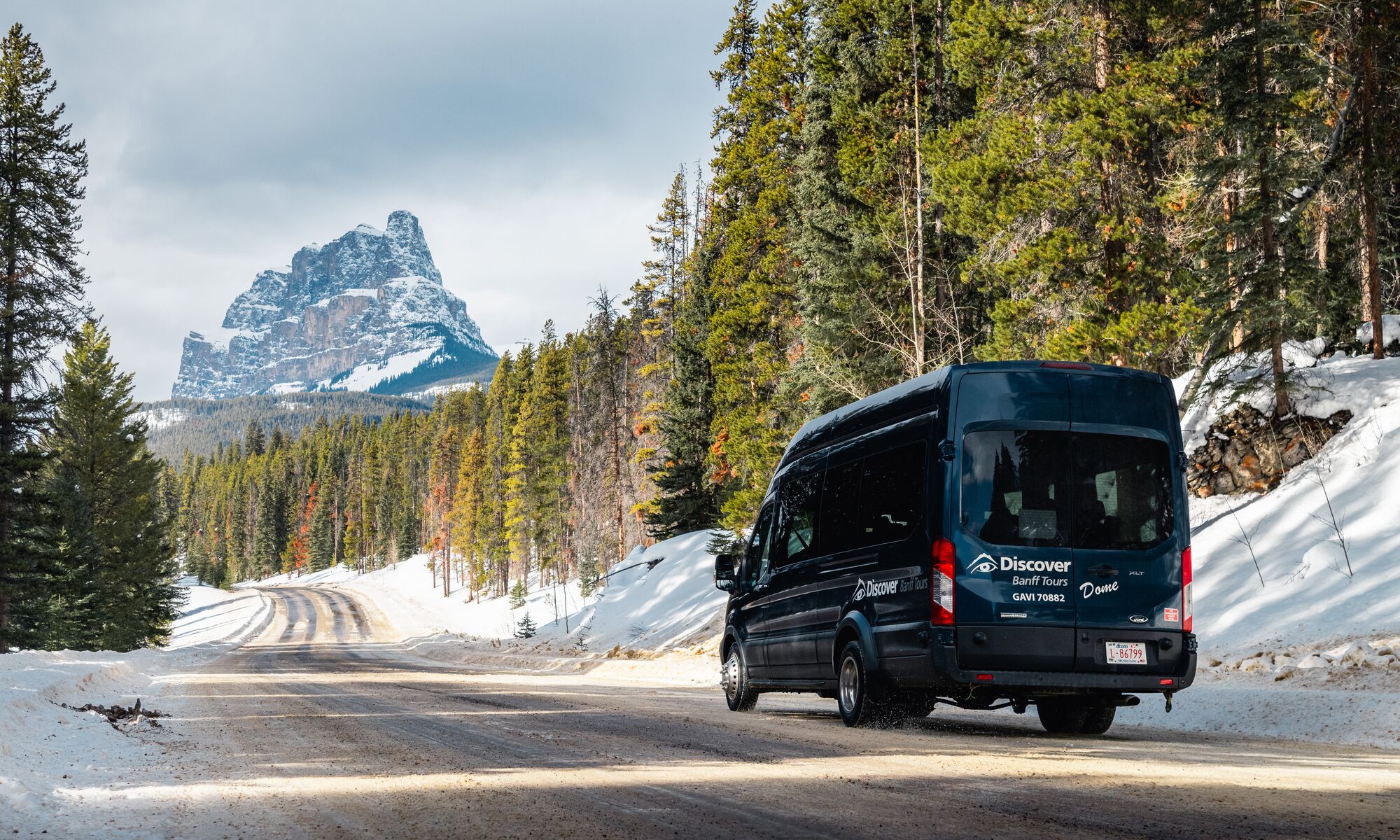
For a more relaxed way to sightsee, winter sightseeing tours provide guided transportation to iconic locations like frozen lakes, canyon walks, and scenic viewpoints, allowing visitors to enjoy the highlights of Banff while leaving winter driving and logistics to the experts.
Why Visit Banff National Park in Spring
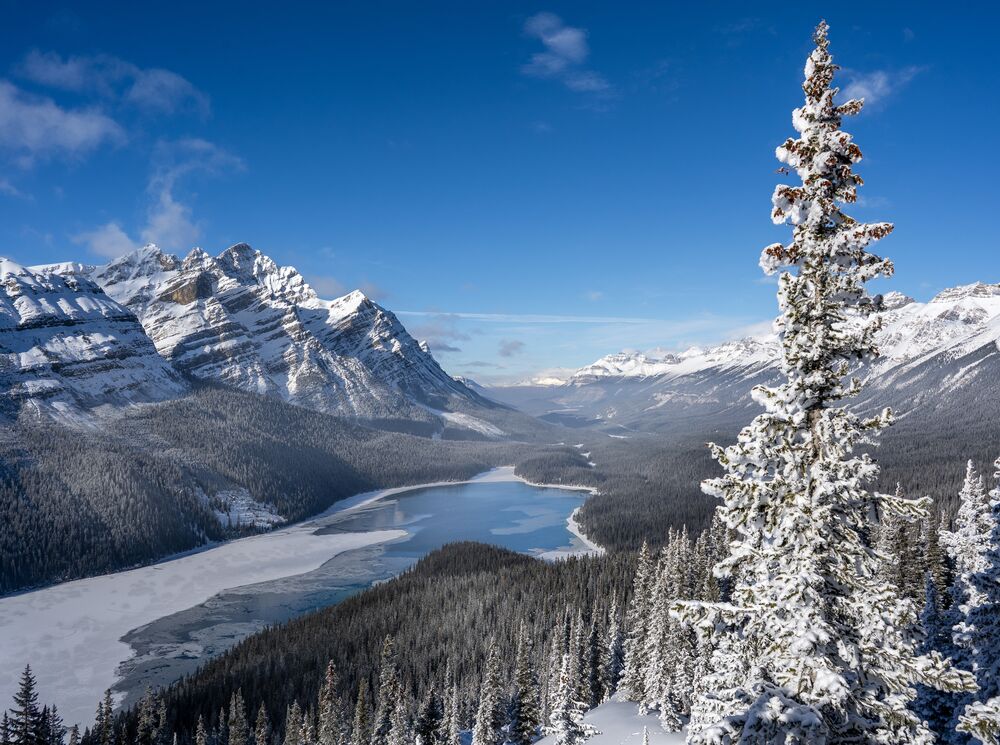
Spring in Banff National Park is a season of transition, when winter conditions gradually ease and the landscape begins to change. Snow remains on the mountain peaks while lower elevations start to thaw and wildlife becomes more active across the park.
With a mix of lingering winter conditions and early signs of warmer weather, spring offers a blend of seasonal experiences. You can ski and snowboard in the morning, rock climb in the afternoon and hang out on a patio for dinner and drinks. Spring is truly the best mix of summer and winter.
Monthly Things to Do in Banff in Spring


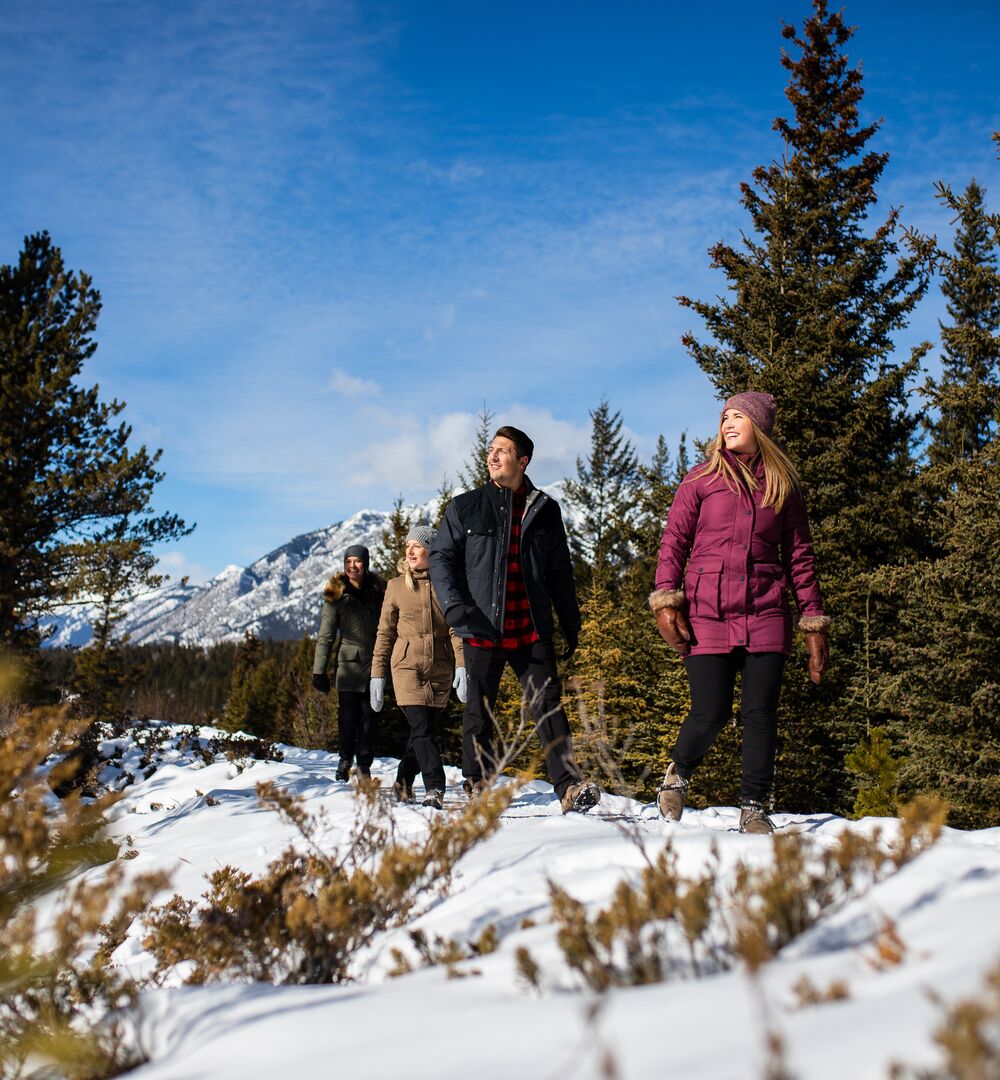
Best Spring Activities in Banff
Spring Skiing and Snowboarding
Spring skiing in Banff National Park combines prime conditions with a more relaxed mountain atmosphere, making it one of the best times to hit the slopes.
From March through early May, Banff Sunshine, Lake Louise Ski Resort, and Mt. Norquay offer a mix of soft snow, longer daylight hours, and frequent bluebird days. Off the slopes, lively après patios, and on-mountain events create an easygoing, social ski experience, ideal for visitors looking to pair great skiing with milder weather and scenic alpine views.
Outdoor Adventures
A wide range of activities emerge in Spring as the valleys begin to thaw. Stroll scenic river pathways in Banff and Lake Louise, explore low‑elevation hiking trails, or take in the landscape along iconic roads like the Bow Valley Parkway and Icefields Parkway. Sightseeing tours are especially popular in spring, offering easy access to frozen lakes, waterfalls, and prime wildlife viewing areas without the need to navigate changing road conditions.
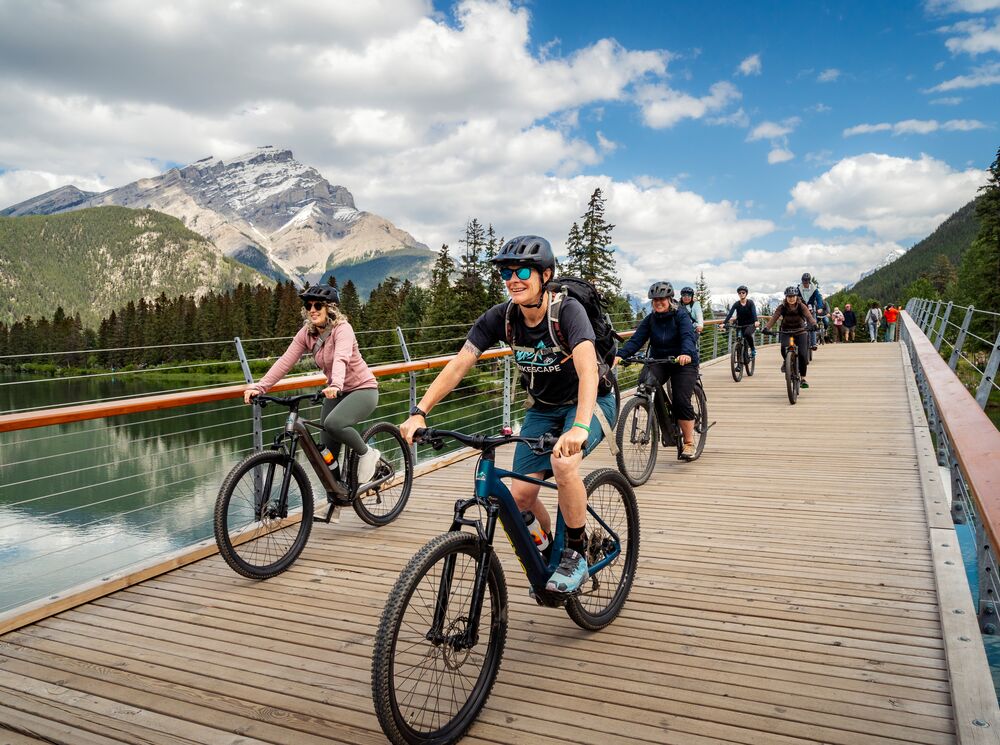
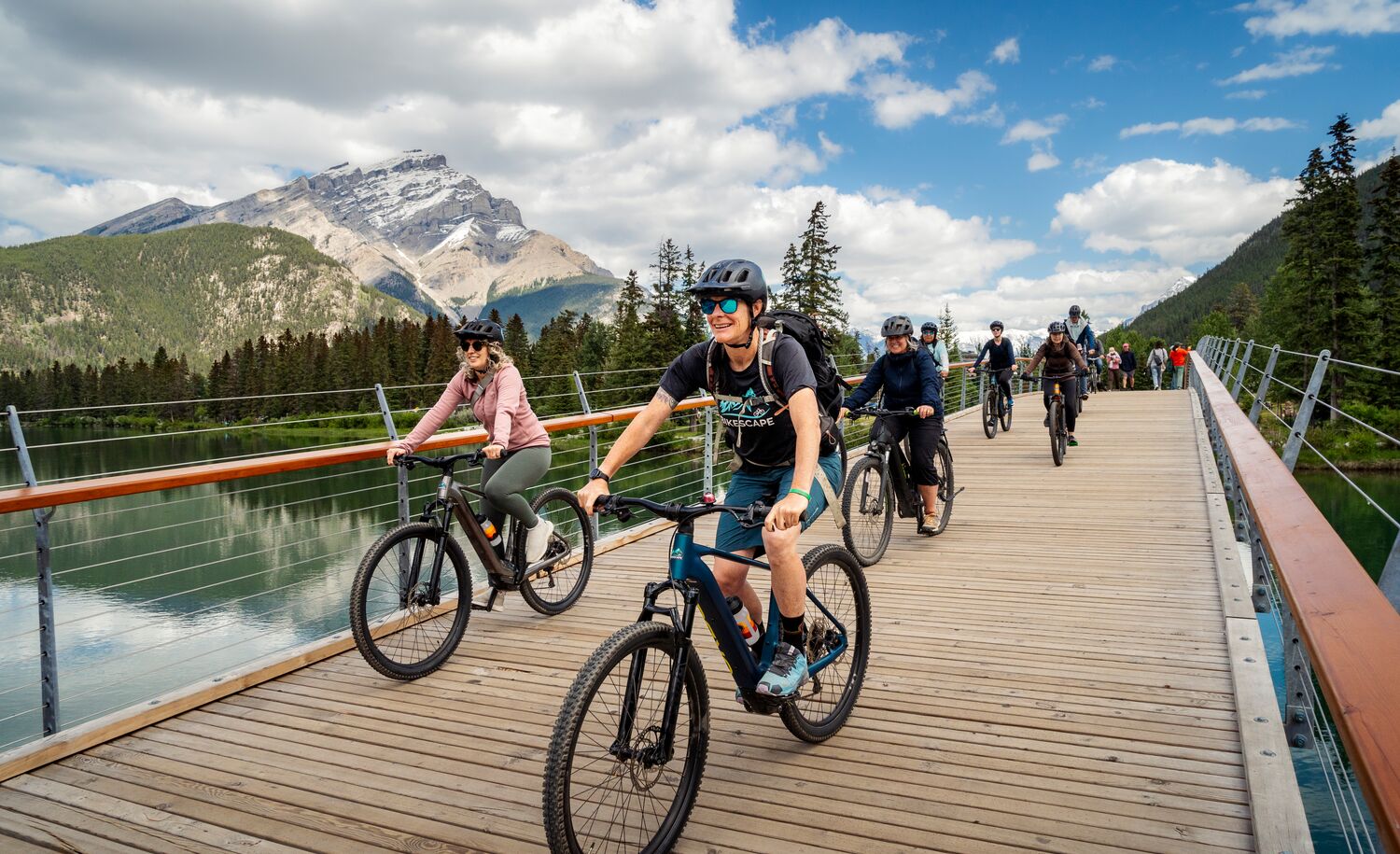
As the season transitions, lower elevations begin to open up for cycling, paddling on lakes and rivers, and early-season golf, while the contrast of snow-covered peaks and thawing landscapes creates striking scenery for photographers and outdoor explorers.
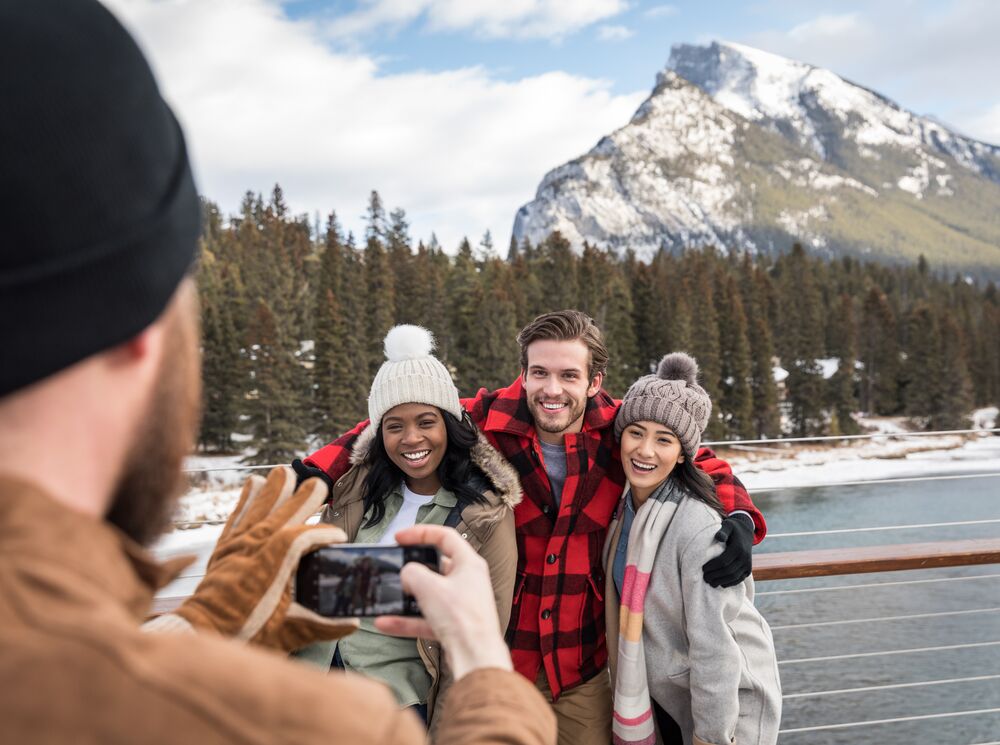
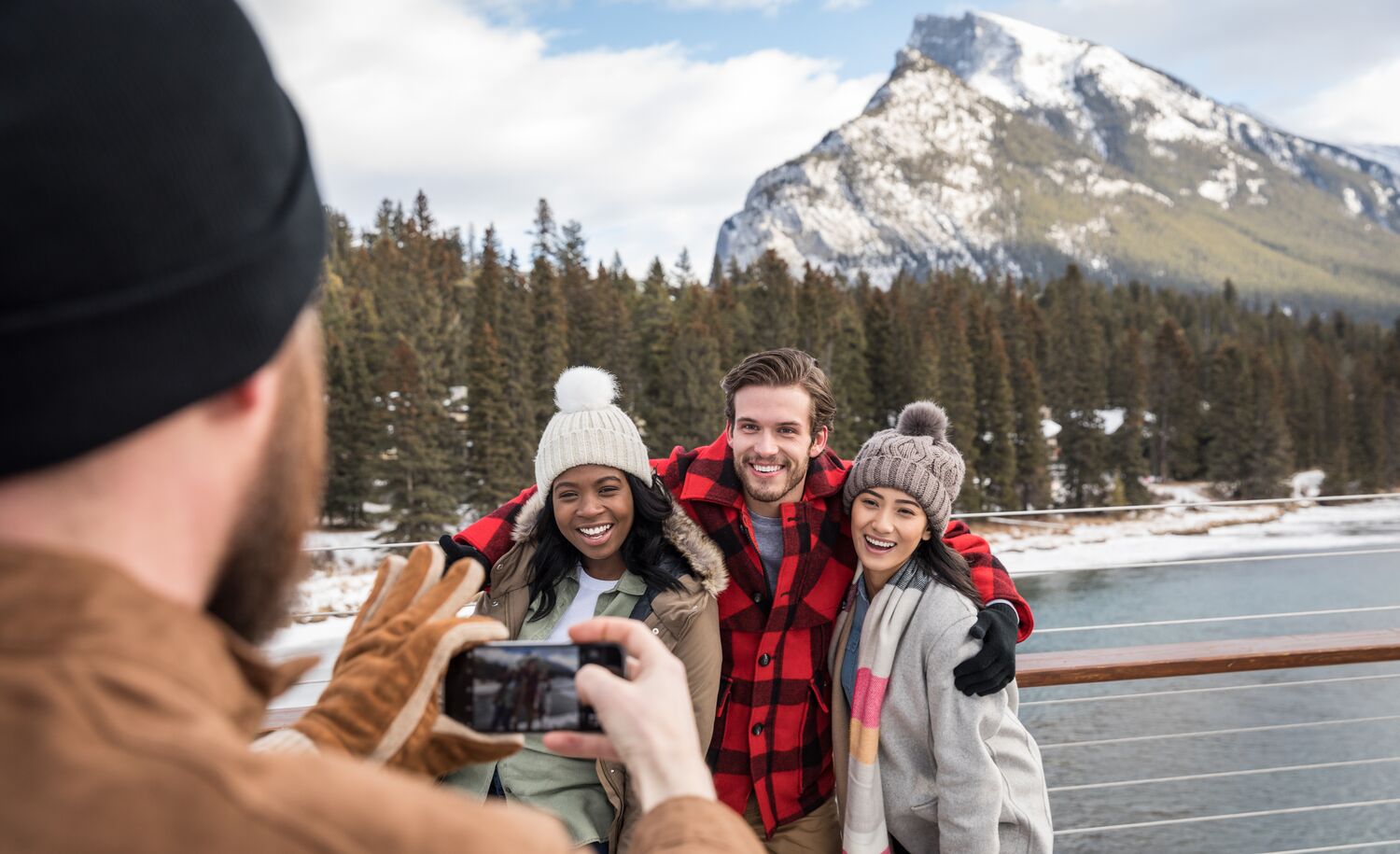
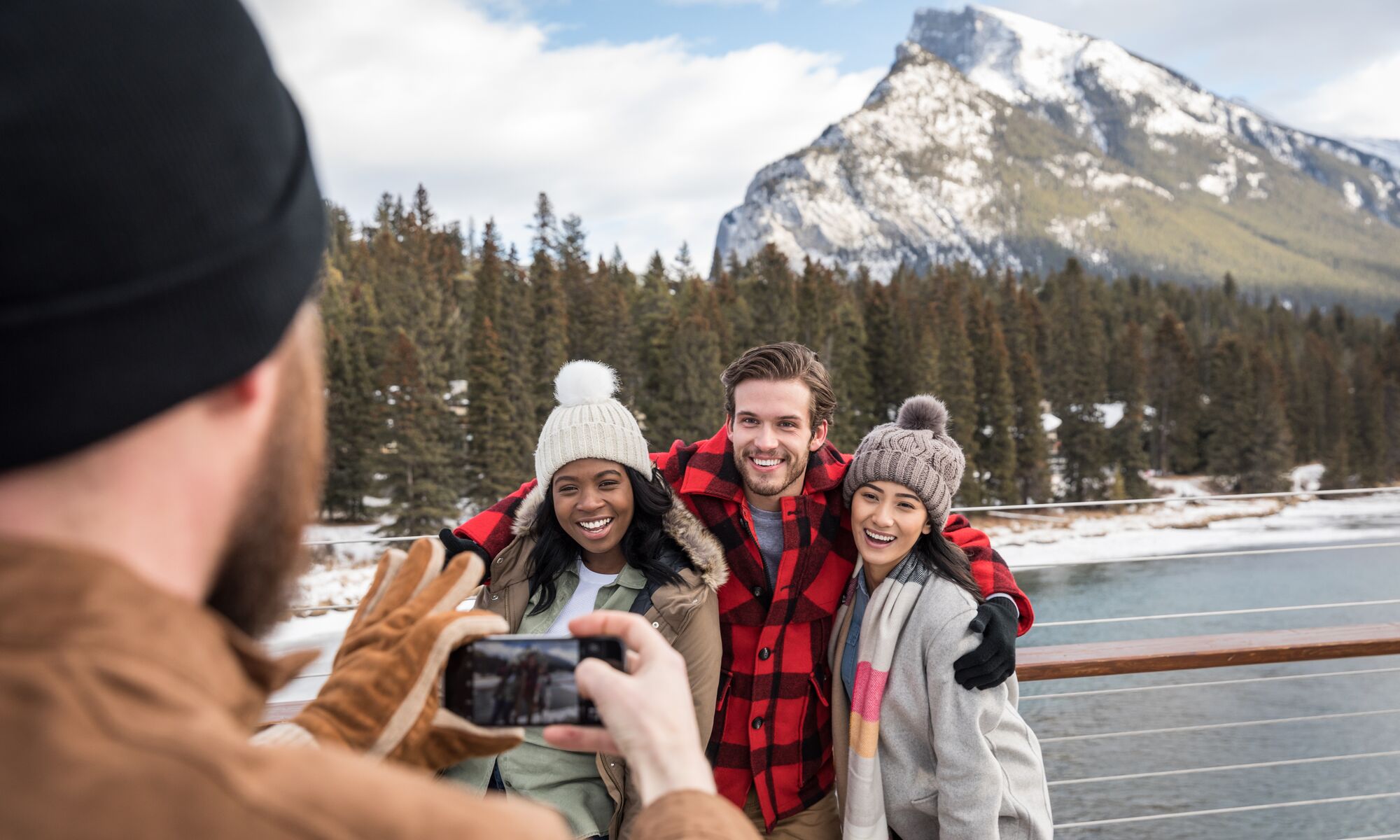
Spring Weather
Spring in Banff National Park is a transitional season, bringing longer days, warmer temperatures, and a mix of lingering snow and emerging landscapes. From April through May, conditions can vary widely, from snowy mornings to mild, sunny afternoons, making it a dynamic time to visit.
- April still feels like late winter, with average daytime highs around 5 to 10°C and overnight temperatures dipping below freezing. Snowfall is still common, especially at higher elevations, while valley trails begin to show early signs of melt.
- May sees a noticeable shift toward milder weather, with daytime temperatures ranging from 10 to 15°C. Snow continues to recede in lower elevations, rivers and waterfalls begin to swell.
Spring weather in Banff can change quickly, so visitors should be prepared for a mix of conditions. Trails may be snowy, icy, or muddy depending on elevation and time of day, especially during the seasonal melt.
What to Wear in Spring in Banff
Dressing for spring in Banff means being prepared for changing conditions throughout the day. Layering is key to staying comfortable as temperatures shift between cool mornings and warmer afternoons.
What to pack:
- A lightweight insulated or waterproof jacket.
- Base layers or long-sleeve tops.
- Waterproof hiking boots or sturdy shoes.
- Warm socks.
- A light hat and gloves for cooler mornings.
- Sunglasses for bright days.
- A small backpack to carry extra layers.
Layering allows you to adapt easily as the weather changes, especially when transitioning between outdoor activities and indoor stops.
Spring Events
Spring in Banff and Lake Louise brings a playful mix of end-of-season celebrations and the return of local markets and food experiences. As ski season winds down, signature events mark the shift toward longer days and warmer weather.
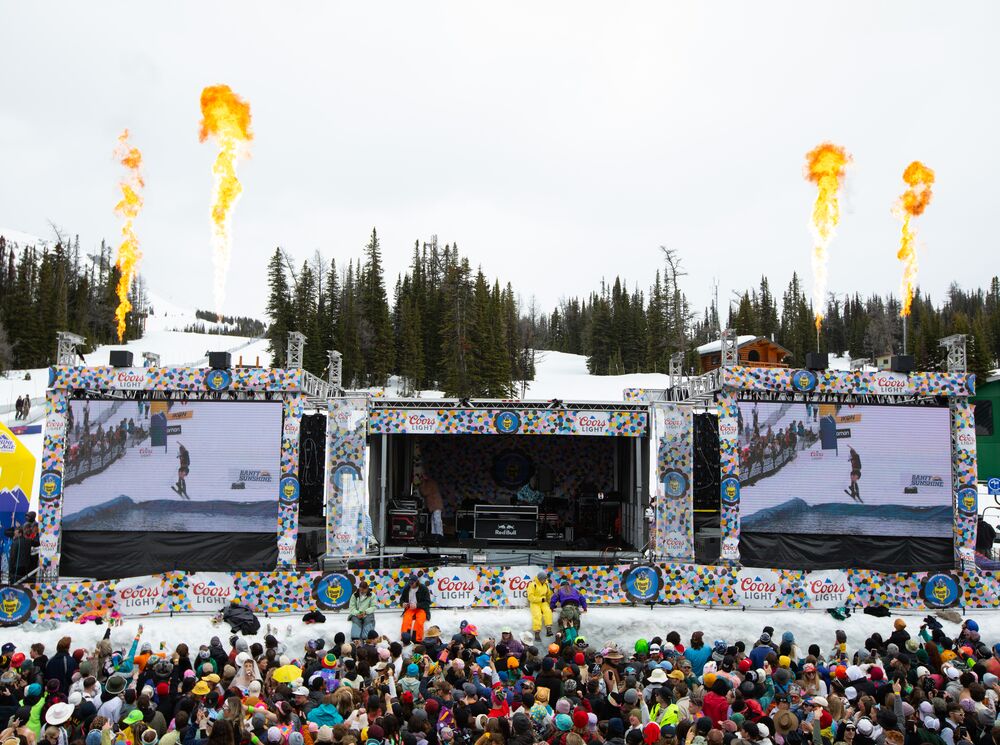
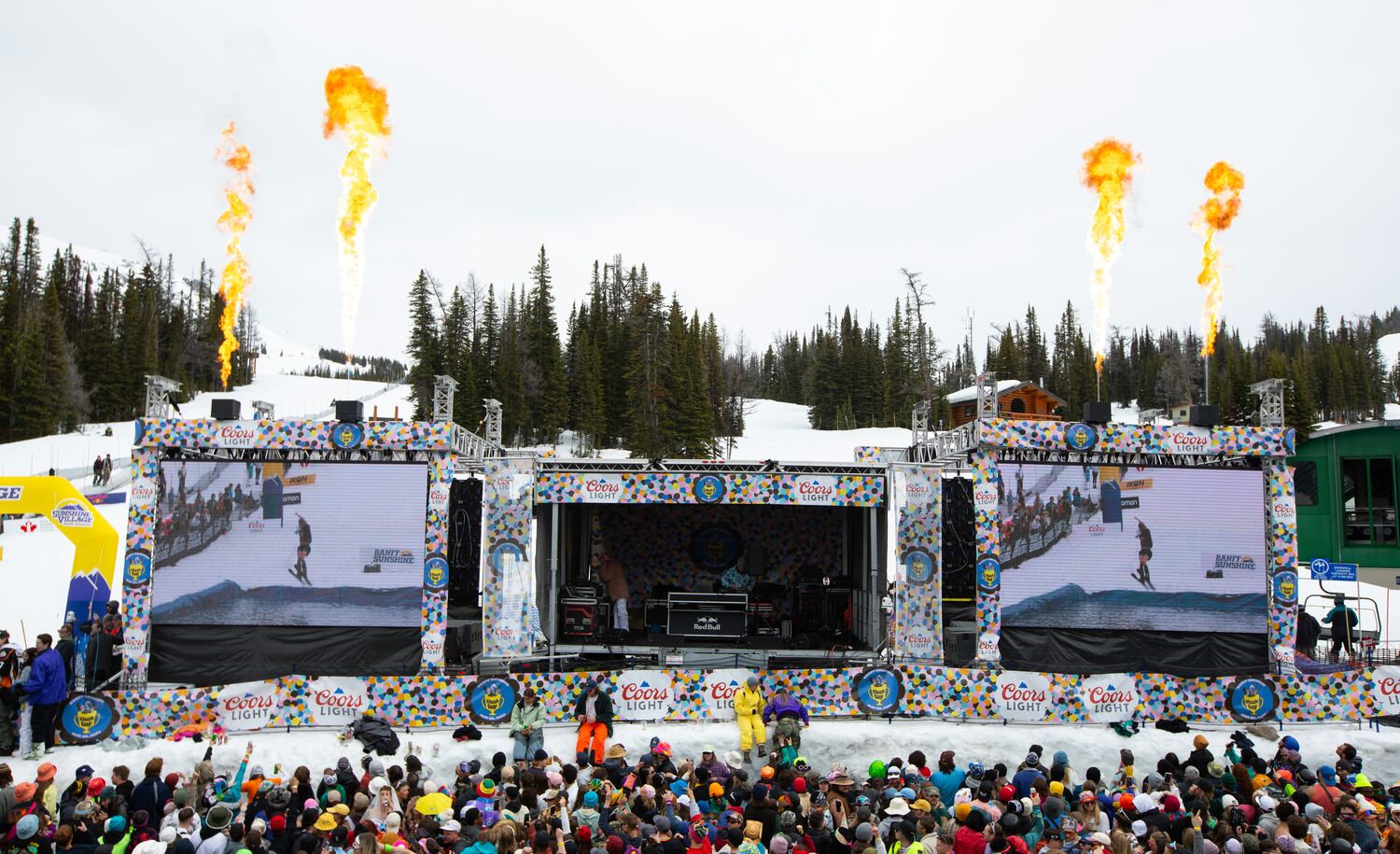
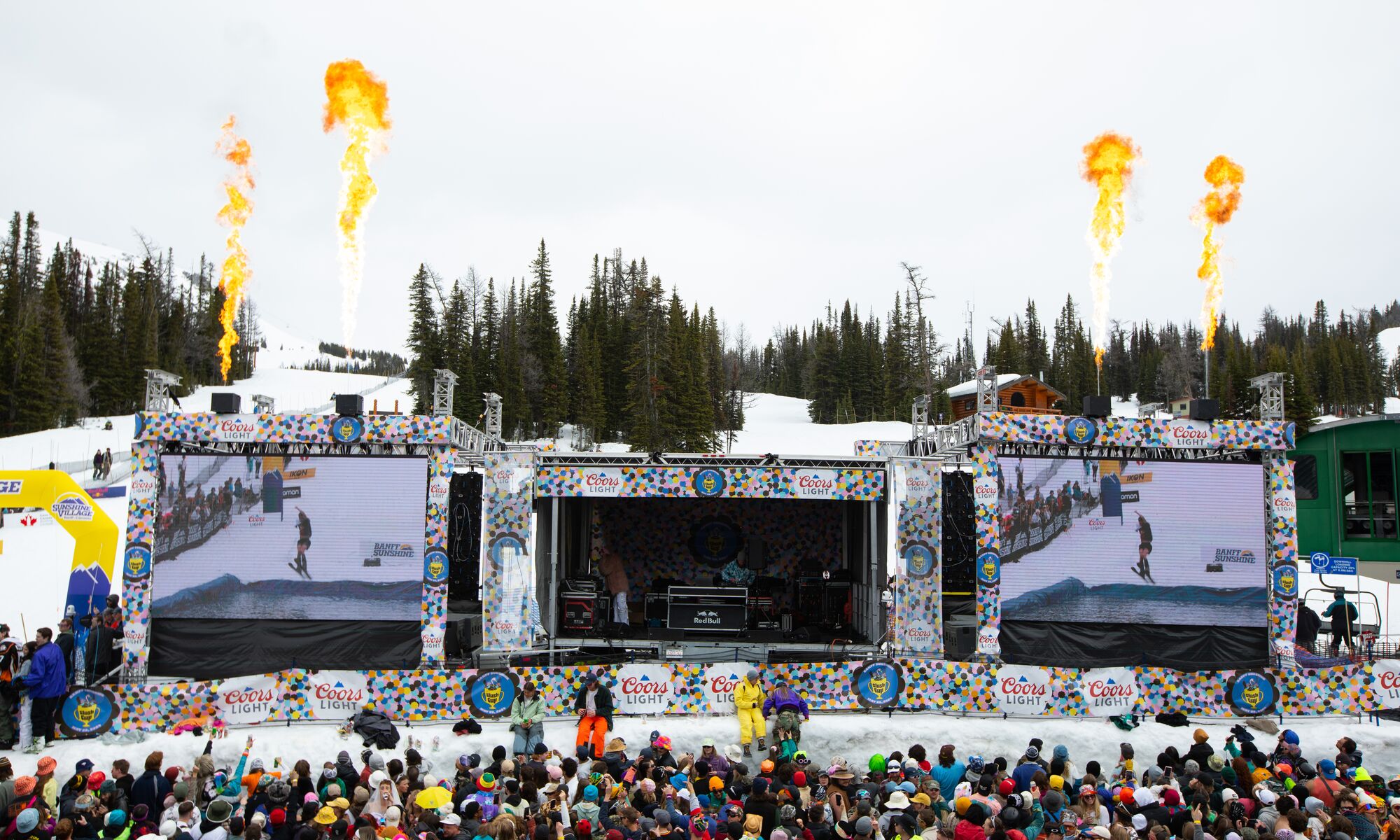
April blends spring skiing with emerging seasonal experiences. Visitors can enjoy Bloom & Brunch, a food-focused celebration of fresh flavours and relaxed mountain dining, alongside on-snow events like Mount Slushmore, which brings creative terrain features and a fun, end-of-season atmosphere to the slopes.
May marks the final stretch of ski season and the transition into summer. High-energy events like the Slush Cup bring music and pond-skimming fun to the slopes. Visitors can also experience Indigenous Voices at the Cave and Basin, offering guided storytelling, cultural interpretation, and a deeper connection to the land and its history.
Late in the month of May, the Banff Farmers Market returns, featuring local vendors, fresh goods, and a vibrant community atmosphere.
For current listings and up‑to‑date details, explore our spring events page to see what’s happening during your visit.
How to get Around Banff and Lake Louise in Spring
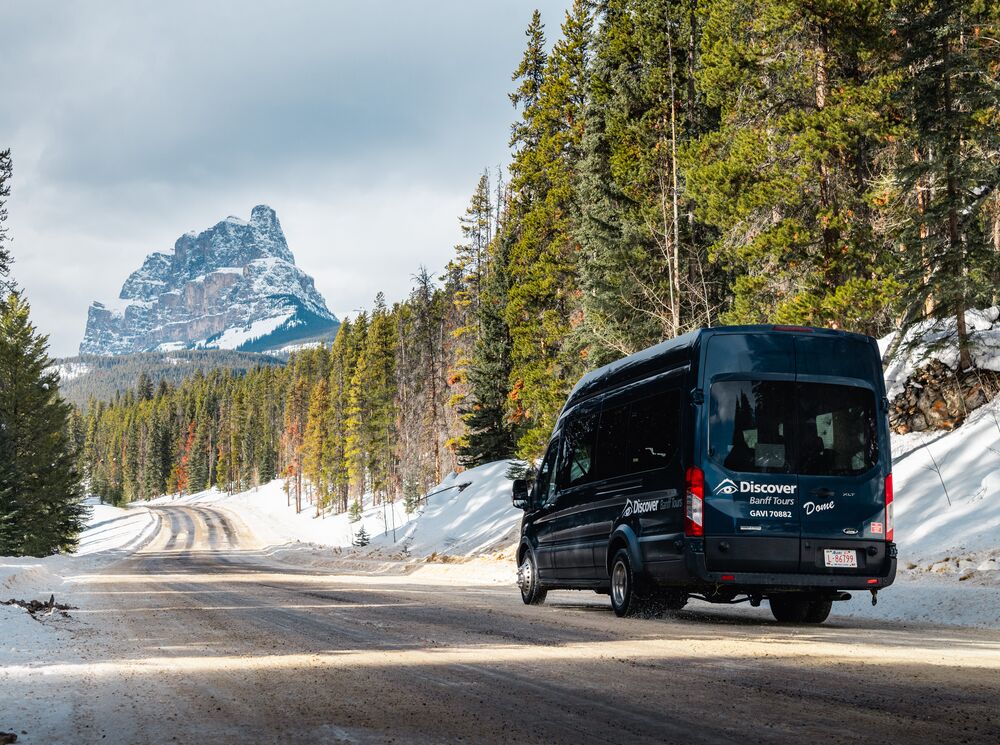
Getting around Banff National Park in spring is convenient and flexible, even as conditions transition between seasons.
Roam Public Transit operates year‑round, connecting Banff with Lake Louise and key attractions, while sightseeing tours continue to provide guided access to popular locations as roads and viewpoints open.
These options make spring travel easier and more relaxed, especially when parking availability and conditions can vary day to day.
Why Visit Banff National Park in Summer
Summer in Banff National Park showcases the Canadian Rocky Mountains at their most vibrant, and once you've seen Banff and Lake Louise this time of year, it's hard to imagine them any other way. Long daylight hours, open alpine trails, and lakes shimmering in every shade of blue and green stretch the days into something you won't want to end.
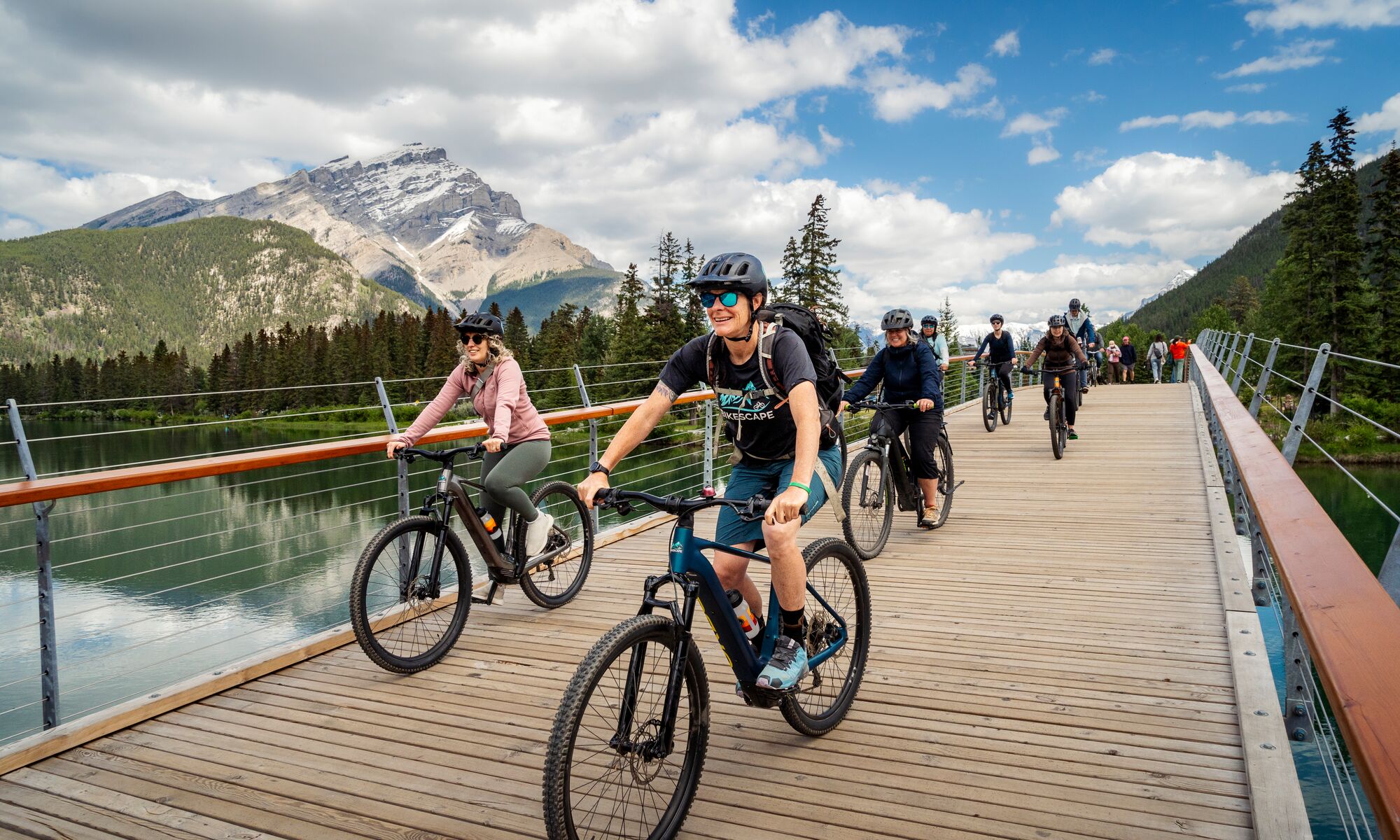
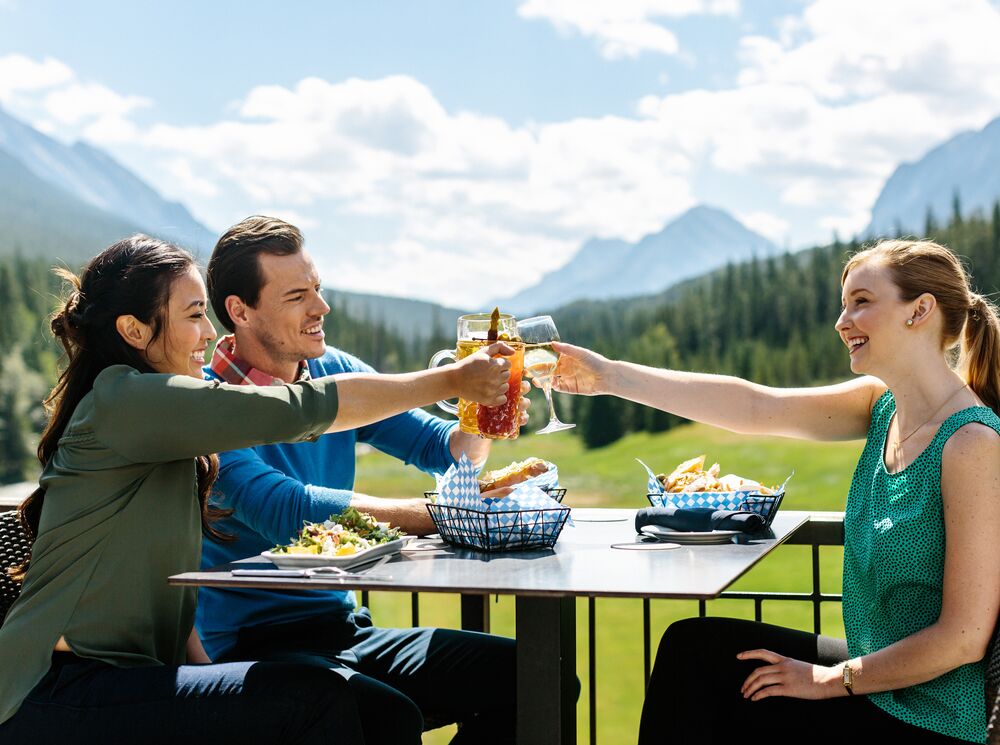
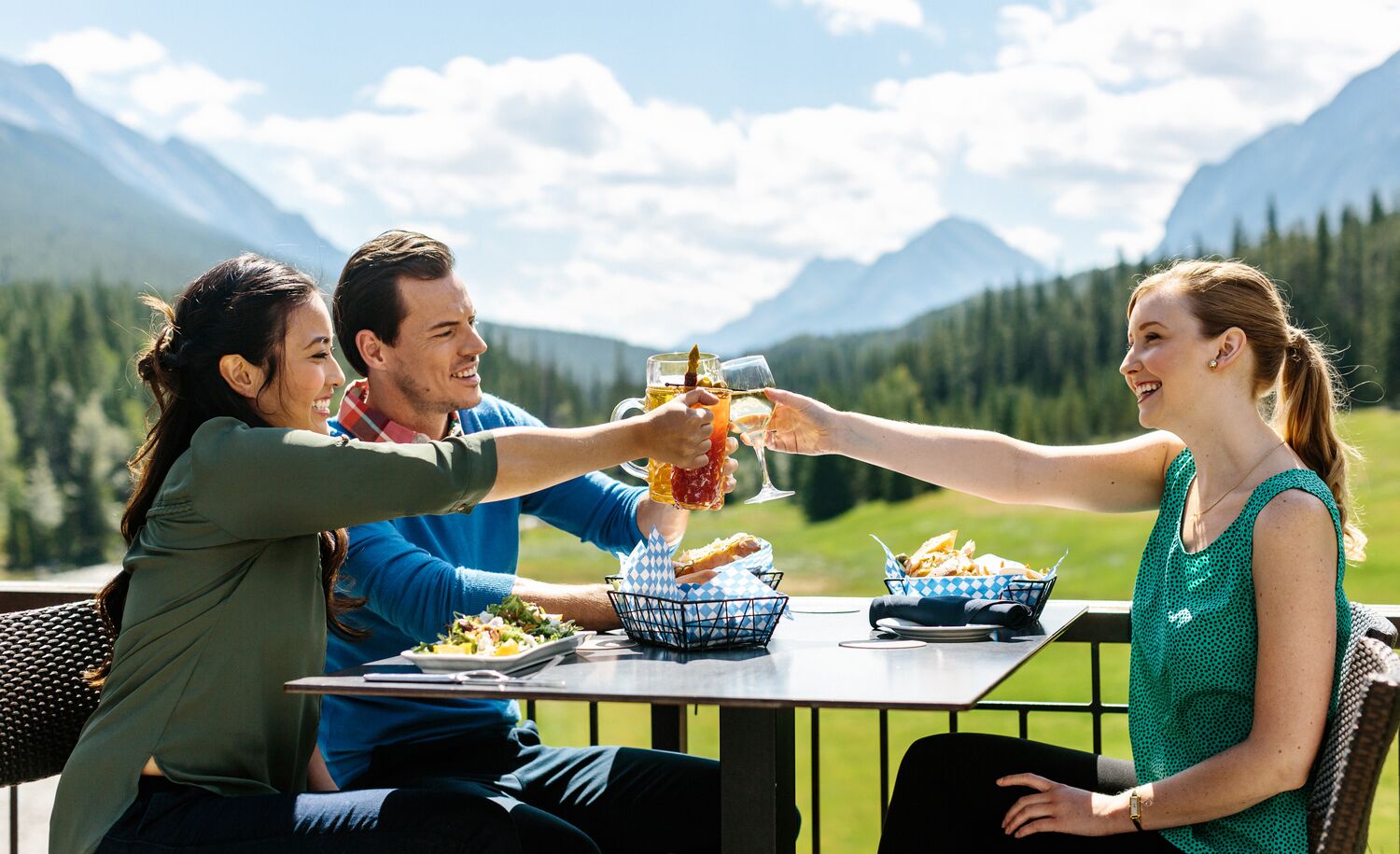
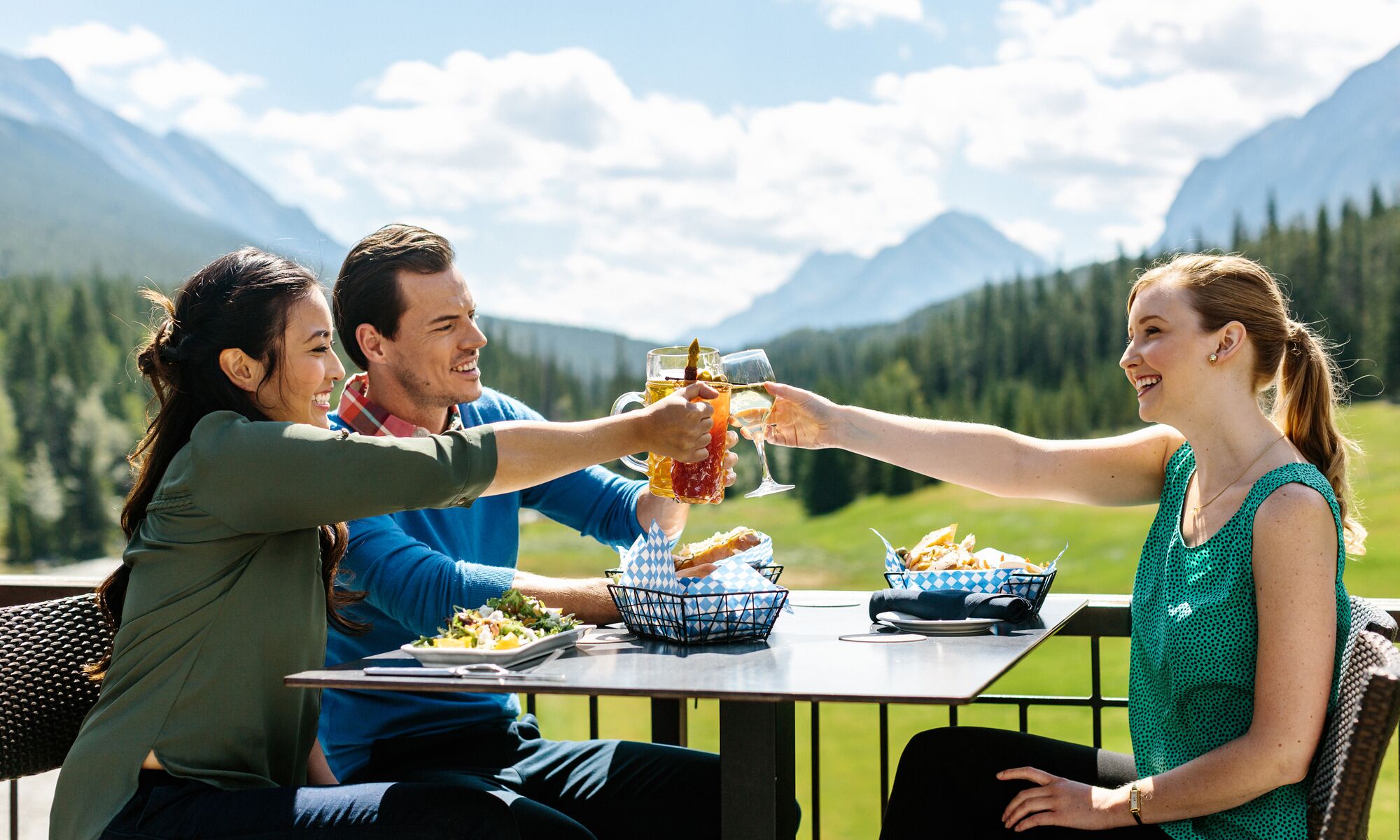
From July through September, it's the season when being outside from morning to night feels like the only natural thing to do: coffee beside a turquoise lake to start the day, a hike into the alpine where wildflowers line the trail, cycling between viewpoints, and winding down on a patio framed by mountains. This is the ideal time to visit for long days outdoors in the mountains. These are the kinds of days that settle into your memory long after you've headed home.
Monthly Things to Do in Banff in Summer
Best Summer Activities in Banff
With long daylight hours, vibrant alpine landscapes, and a mix of iconic sights and outdoor experiences, summer is one of the best times to visit Banff. Whether you’re looking to explore turquoise lakes, take in mountain views, or enjoy time outdoors, Banff in summer offers something for every pace of travel.
Lake Louise and Moraine Lake
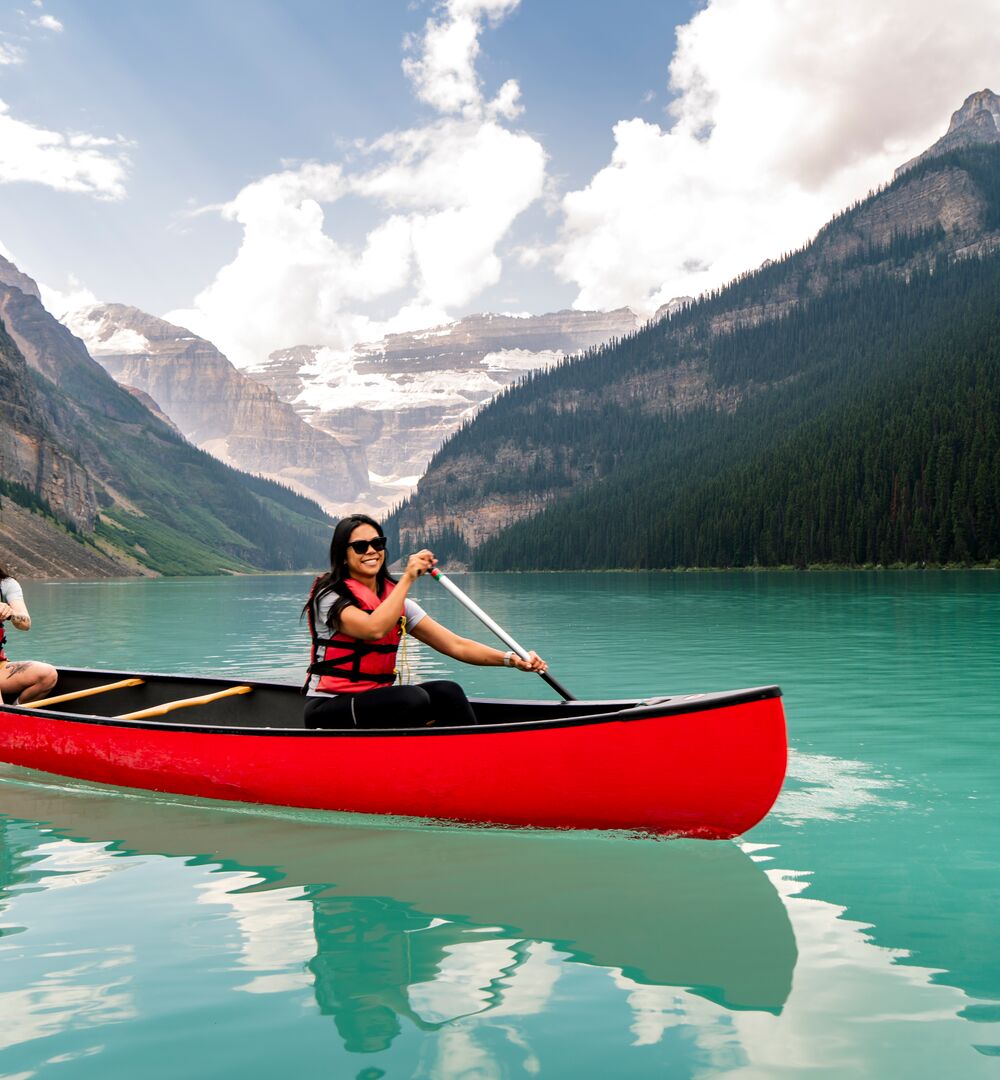
Visiting Lake Louise and Moraine Lake is a highlight of summer in Banff National Park. The most reliable way to visit is by taking a shuttle bus. The Parks Canada shuttle, Roam Transit, and guided sightseeing tours all provide direct services to the lakes throughout the summer season.
These options remove the stress of parking and allow you to fully enjoy the experience, whether you’re walking along the shoreline, paddling on the water, or taking in the surrounding peaks.
Outdoor Adventures
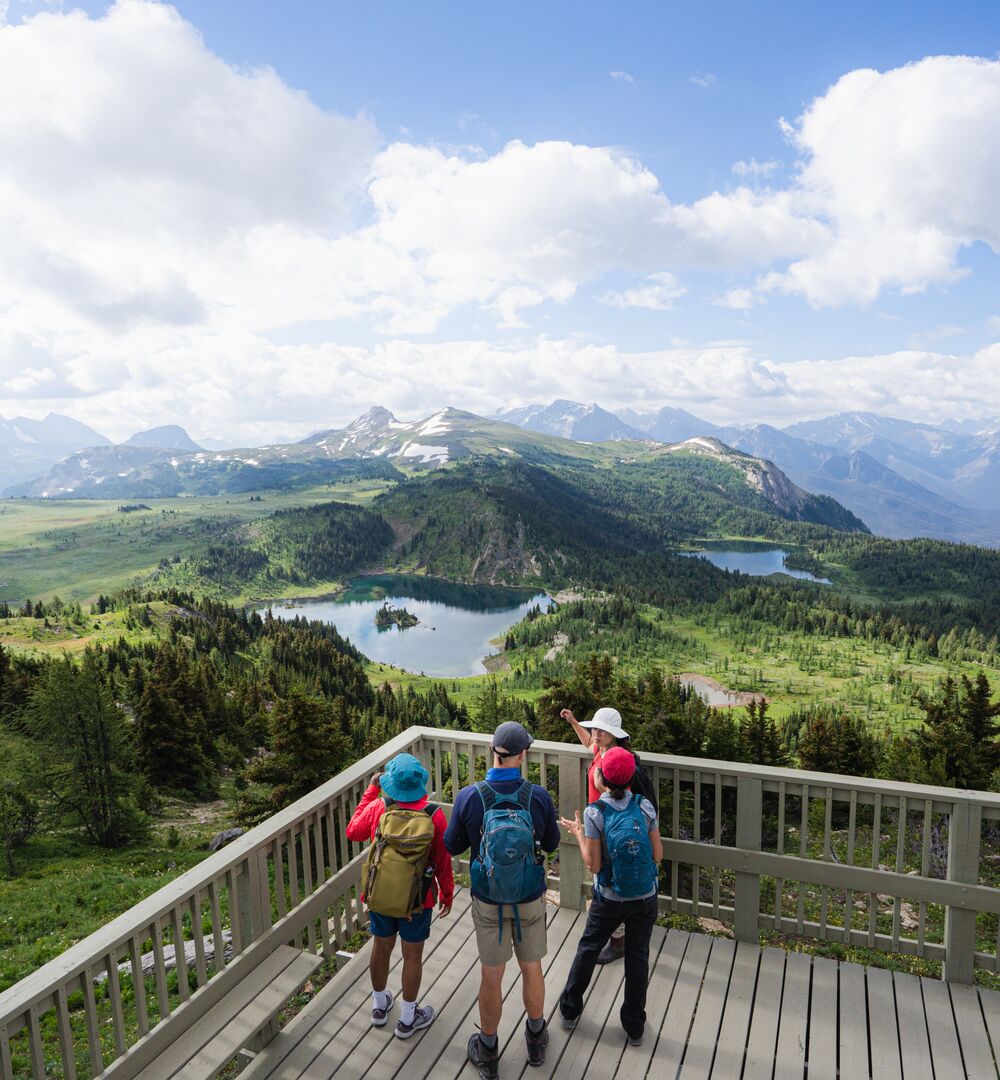
Summer in Banff is all about getting outside and exploring the landscape from new perspectives. A popular summer activity is to visit one of our 4 summer sightseeing gondolas and chairlifts, all offer panoramic views with easy access to alpine vistas.
For more active adventures, try the Via Ferrata at Mount Norquay, where fixed cables and ladders guide you along cliff faces with sweeping mountain views. Hiking is one of the most popular ways to explore the park, with trails for every level, from lakeside strolls to full-day alpine routes.
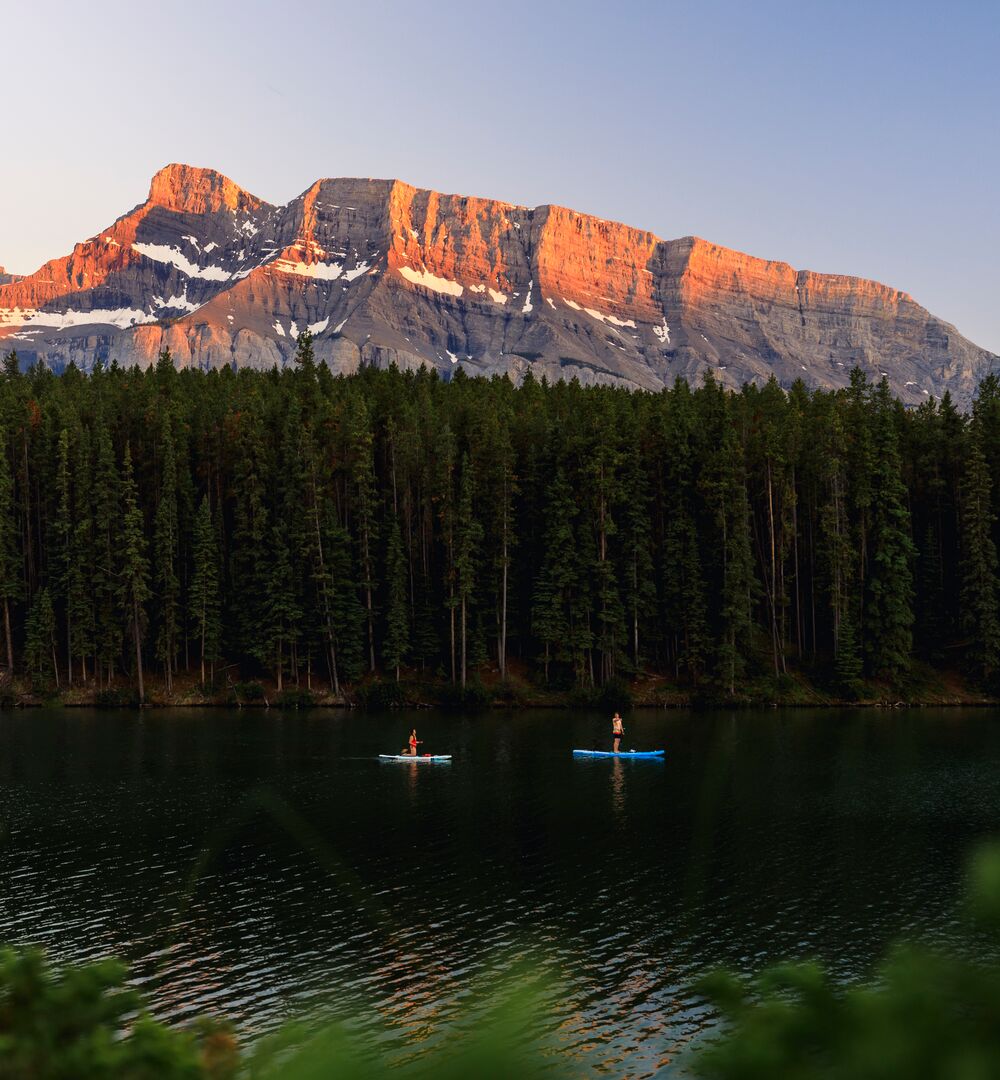
On the water, rafting experiences range from scenic float trips to more adventurous whitewater routes. If you are looking for a more relaxing way to get out on the water you can take in the view from a scenic boat cruise or join a guided canoe trip along the Bow River.
Wellness
Summer also offers space to slow down and recharge. A soak in the Banff Upper Hot Springs remains a classic experience, with warm mineral waters and views of surrounding peaks.
For a deeper connection to the landscape, visitors can take part in forest bathing experiences or guided medicine walks, which focus on mindfulness, cultural connection, and time spent in nature.
Summer Weather
Summer in Banff National Park is defined by warm days, cool mountain air, and long daylight hours. From June through August, temperatures are typically mild and comfortable, creating ideal conditions for sightseeing, hiking, and exploring the outdoors.
- June marks the start of summer, with average daytime highs ranging from 15 to 20°C and cooler mornings and evenings. Daylight stretches to nearly 17 hours, giving you more time to explore. Occasional rain showers are possible as the season transitions.
- July and August are the warmest months, with average daytime temperatures between 20 and 25°C, though it can feel warmer in direct sun. Evenings remain cooler, often dropping below 10°C.
Mountain weather can change quickly throughout the summer, particularly at higher elevations, where temperatures are cooler and conditions can shift without much notice.
What to Wear in Summer in Banff
Dressing in adaptable layers is key to staying comfortable throughout the day, especially when moving between sunny valleys, shaded trails, and higher elevations.
What to pack:
- T-shirt and shorts.
- Wind breaker or light jacket.
- Hat and sunglasses.
- Sunscreen.
- Comfortable hiking shoes or sturdy footwear.
Layering allows you to stay comfortable as temperatures shift throughout the day, whether you're spending time on the trails, sightseeing, or exploring the town of Banff.
Summer Events
Summer in Banff features a full calendar of events that celebrate music, food, culture, and the outdoors. Festivals, live performances, and community events take advantage of warm evenings and scenic settings throughout Banff National Park
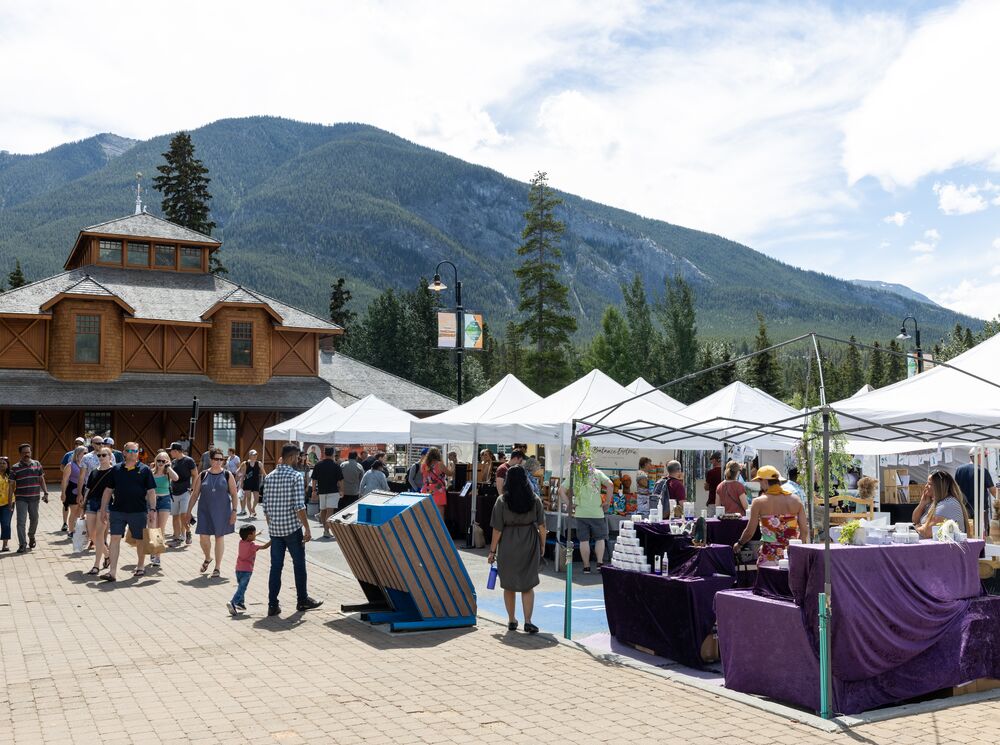
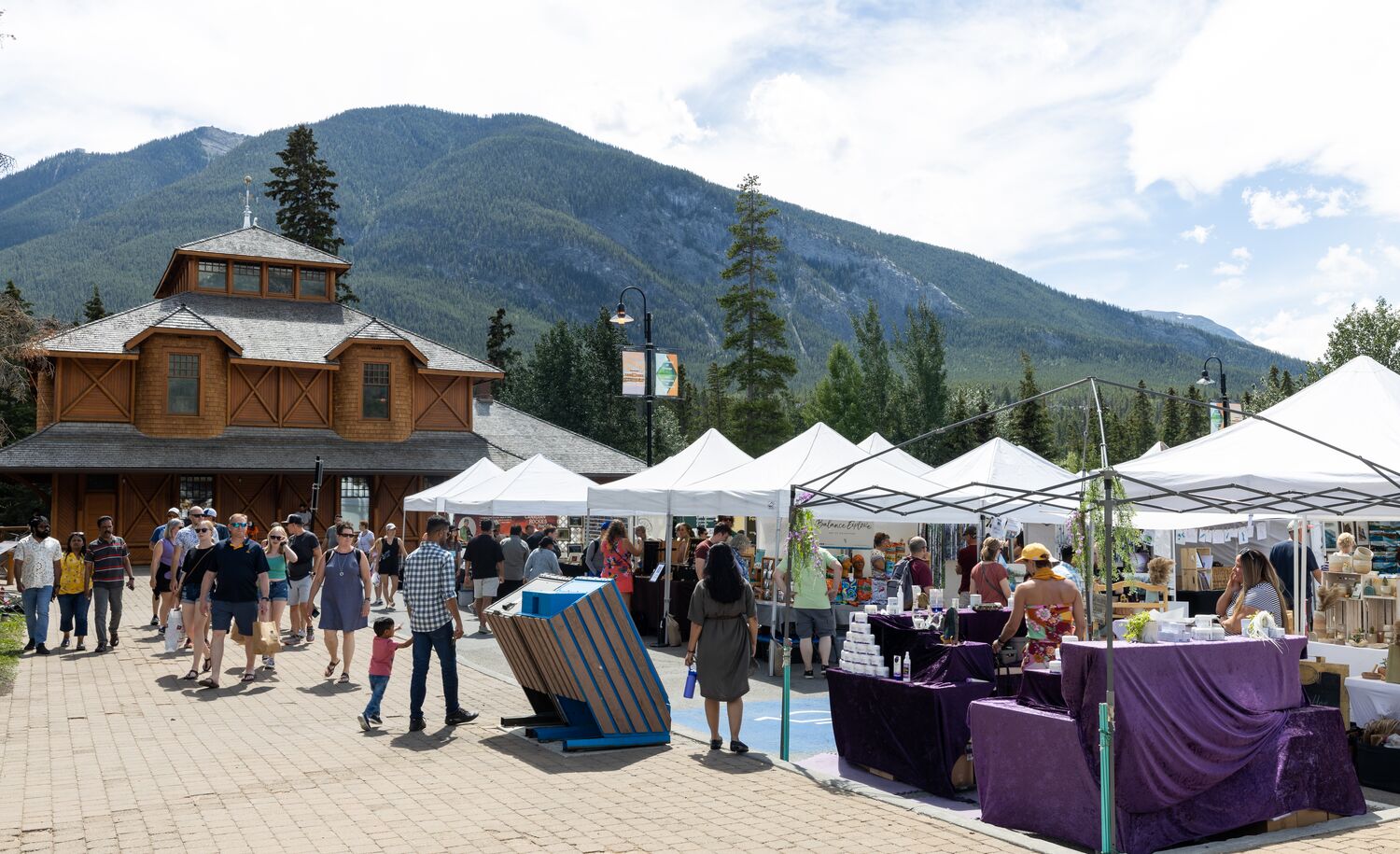
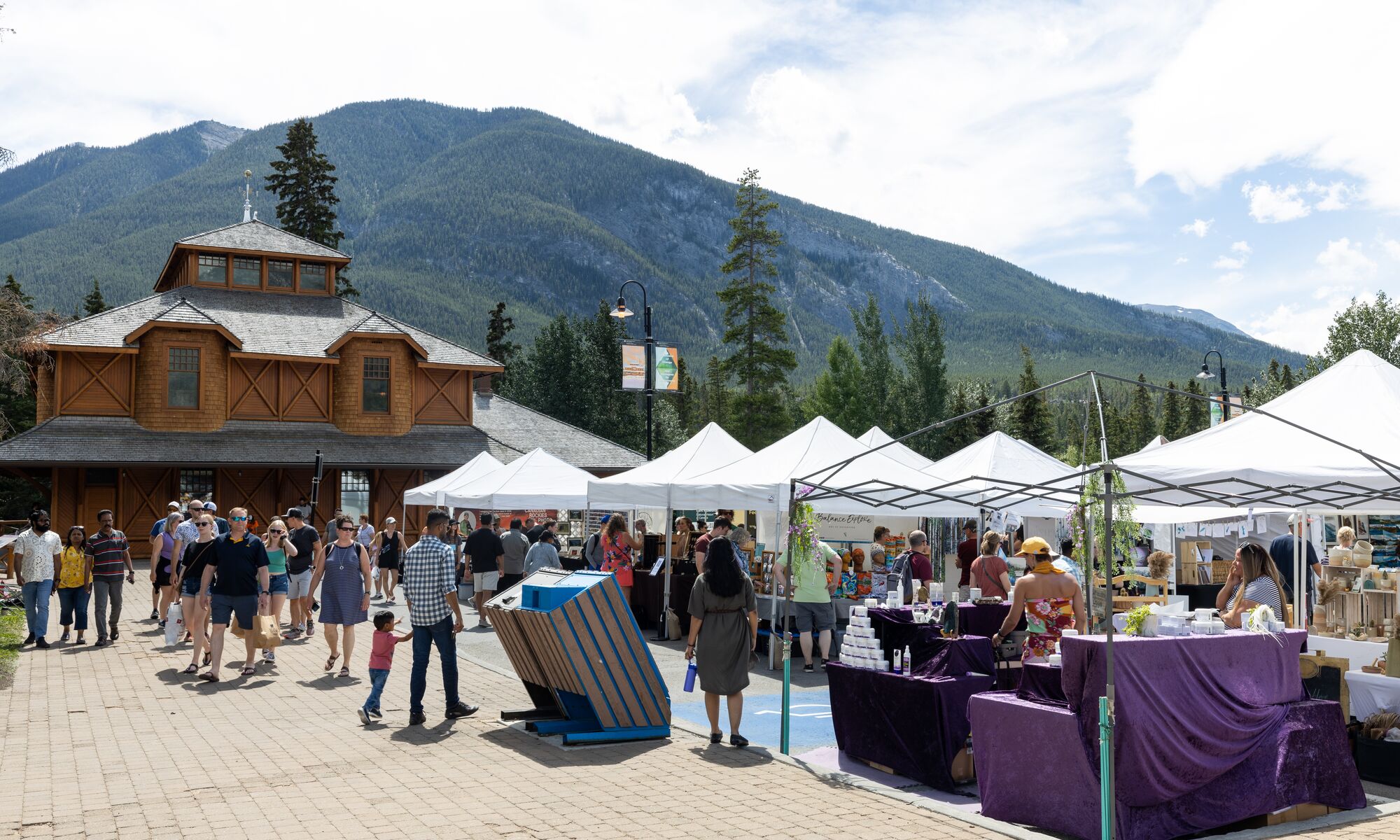
Seasonal highlights include the Banff Farmers Market, which brings local vendors, food, and handmade goods to the heart of town, and the Sunset Festival at the Banff Gondola, where live music, mountain views, and golden‑hour light come together at the summit.
For current listings and seasonal highlights, explore our summer events page to see what’s happening during your visit.
How to get Around Banff and Lake Louise in the Summer
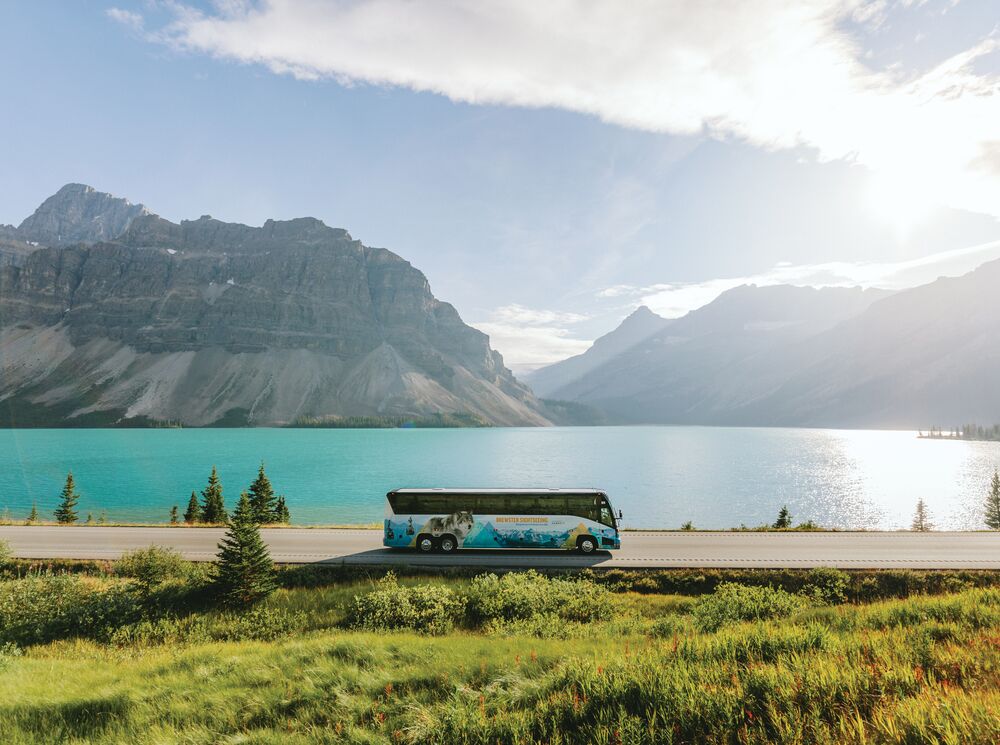
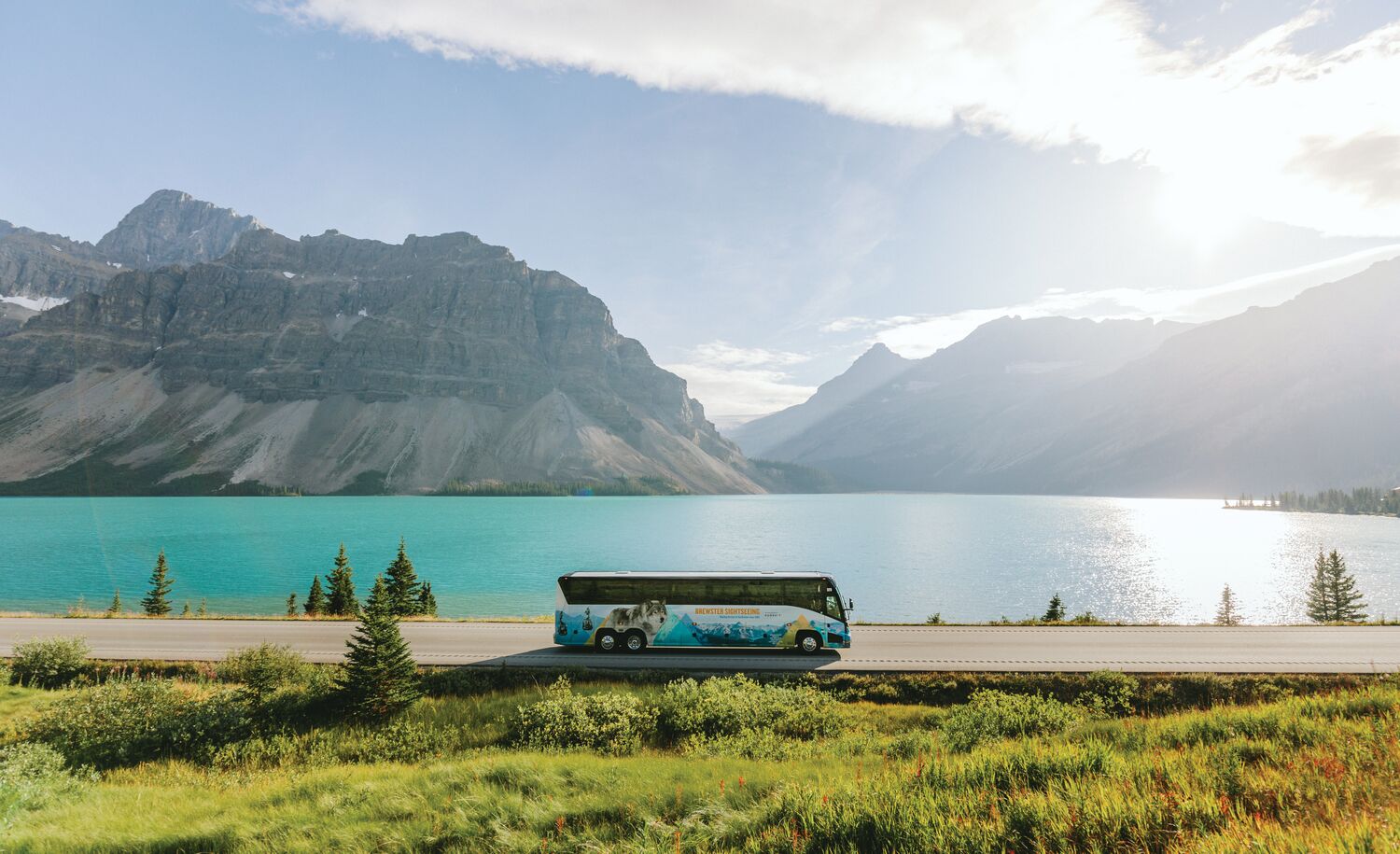
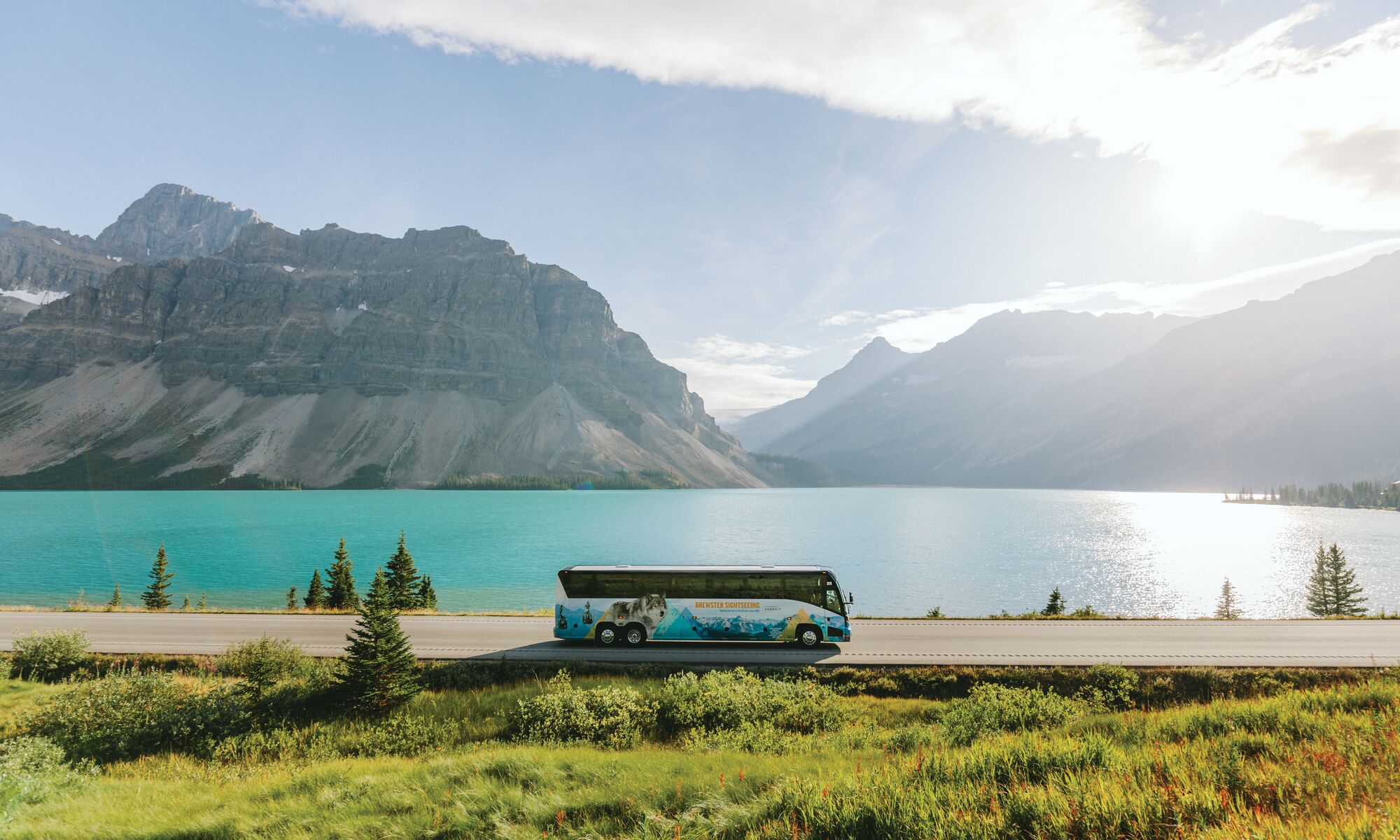
Getting around Banff National Park in summer is easy thanks to a variety of transportation options. Roam Public Transit connects Banff, Lake Louise, and key attractions, helping visitors move through the park without relying on a personal vehicle.
Sightseeing tours provide guided access to popular locations, while shuttles and transit services help manage access during peak travel months. Planning transportation ahead of time helps ensure a smoother and more enjoyable summer visit.
Shuttles are one of the easiest and most stress‑free ways to visit Banff National Park’s most popular spots, with plenty of options available to suit different schedules and travel styles. A mix of Parks Canada shuttles, public transit, and private operators make it simple to reach iconic destinations like Lake Louise and Moraine Lake, where parking is extremely limited or not permitted at all.
Why Visit Banff National Park in Fall
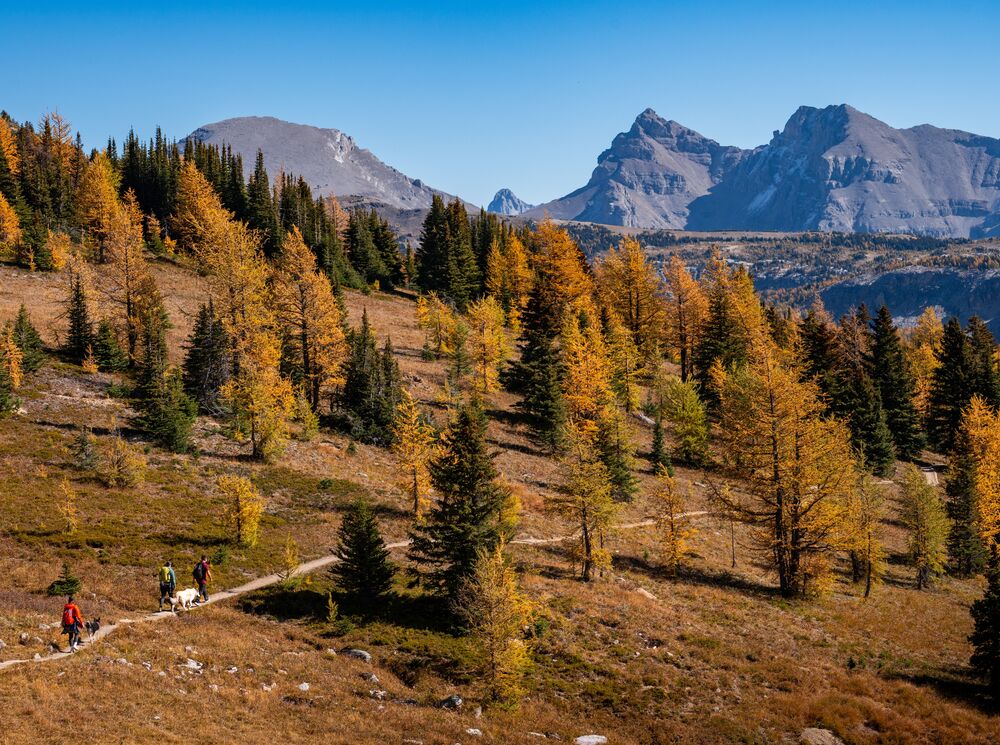
There's a moment in Banff and Lake Louise when the air changes, the larch trees go gold, and the mountains feel entirely their own. That moment is Fall in Banff and Lake Louise, and it doesn't last long. It’s defined by crisp air, golden landscapes, and a noticeable shift in the mountains as summer fades.
From September through October, the Canadian Rockies shift into one of their most striking seasons. The high alpine trails quiet down, wildlife is more visible than at almost any other time of year, and the landscape takes on a depth you don't forget. The golden larches are the headline, but the whole season rewards the people who show up for it.
Early fall tends to bring the warmest temperatures and the best larch viewing, while later in the season, the mornings get colder, the first snow dusts the high ridges, and Banff National Park takes on the cozy fall feeling of big mountain days, warm drinks, and changing colours.
Monthly Things to do in Banff in Fall
Best Fall Activities in Banff
With crisp mountain air, golden alpine landscapes, and a quieter pace between peak seasons, fall is a scenic and rewarding time to visit Banff. Whether you’re planning around larch season or looking to explore from new perspectives, fall offers a mix of iconic views and outdoor experiences.
Larch Season
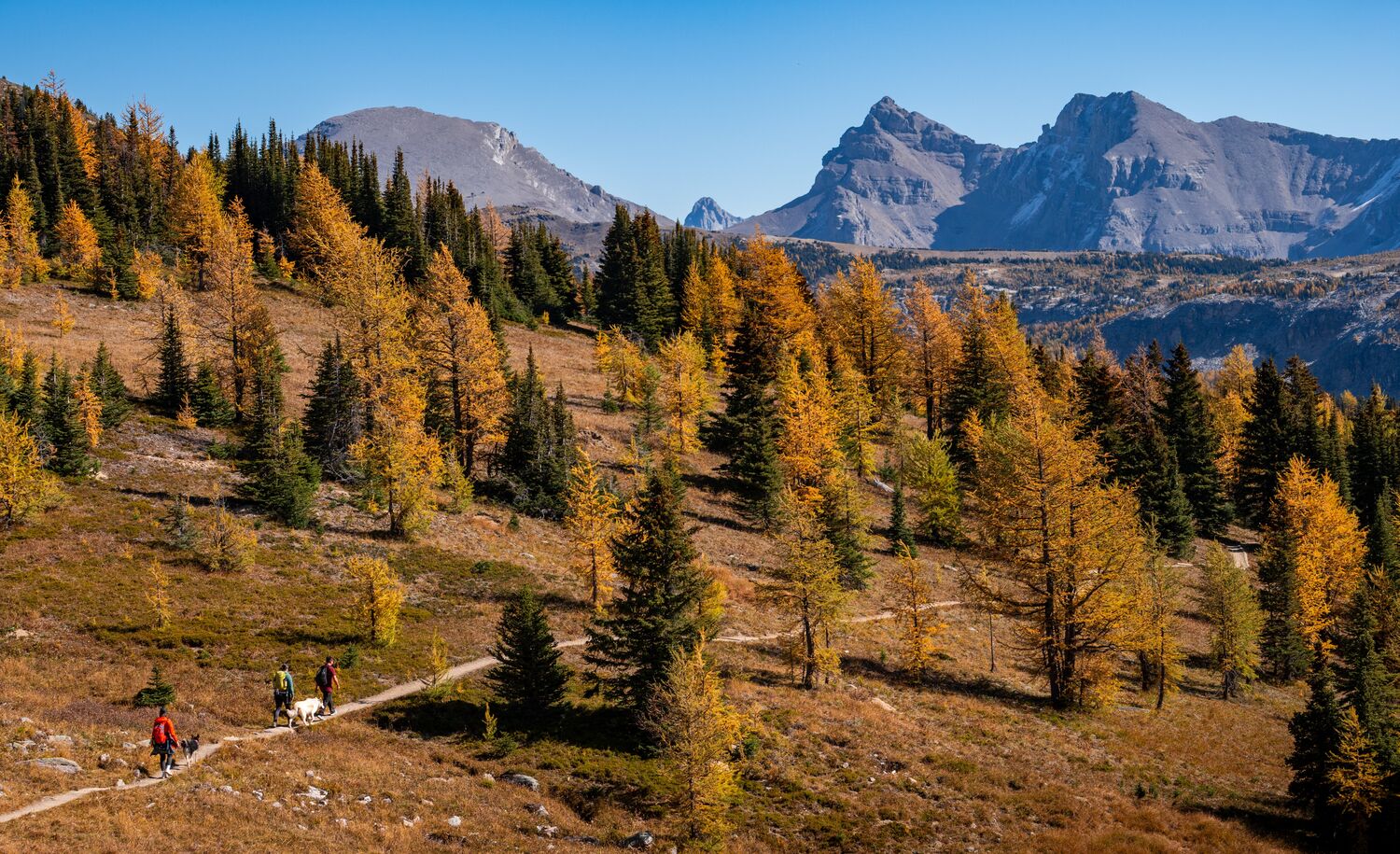
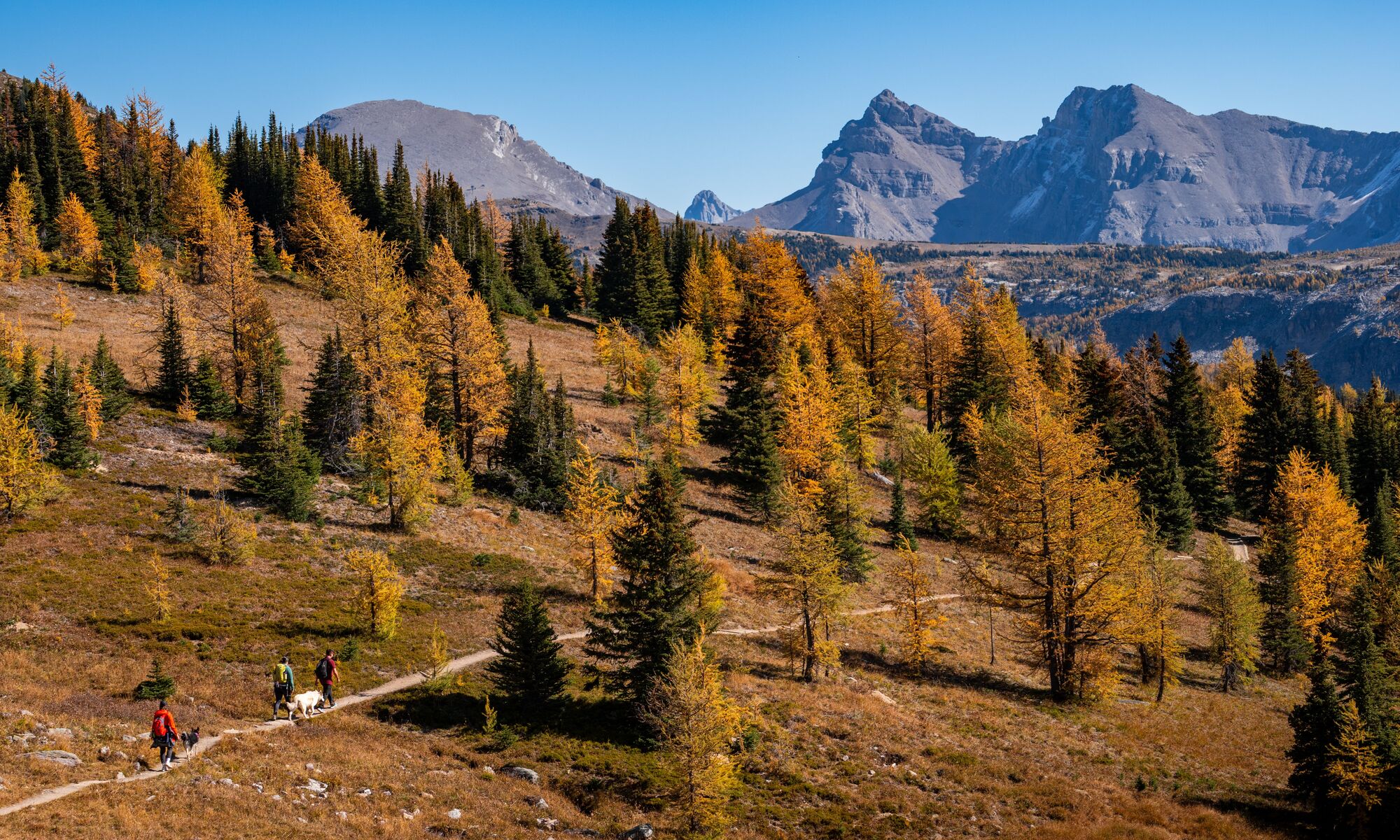
Larch season is one of fall’s most anticipated highlights in Banff National Park. For a few weeks each September, alpine larch trees turn a vibrant gold, creating striking landscapes along higher-elevation trails.
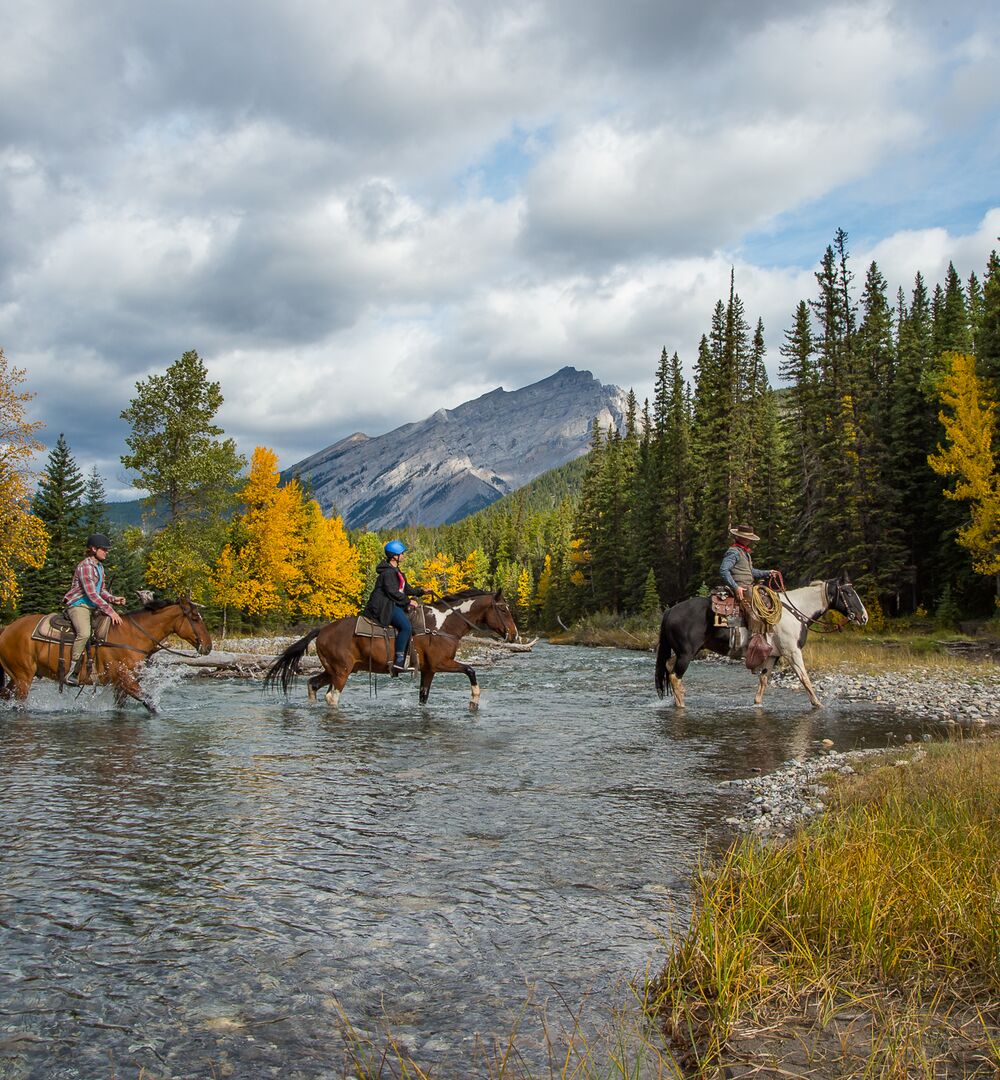
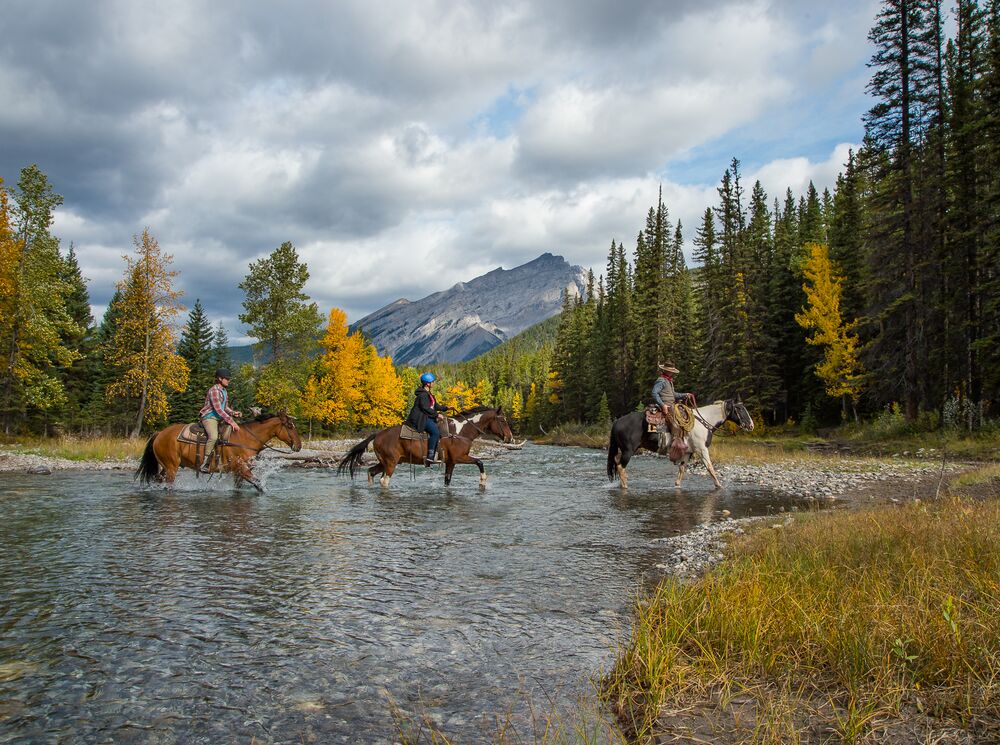
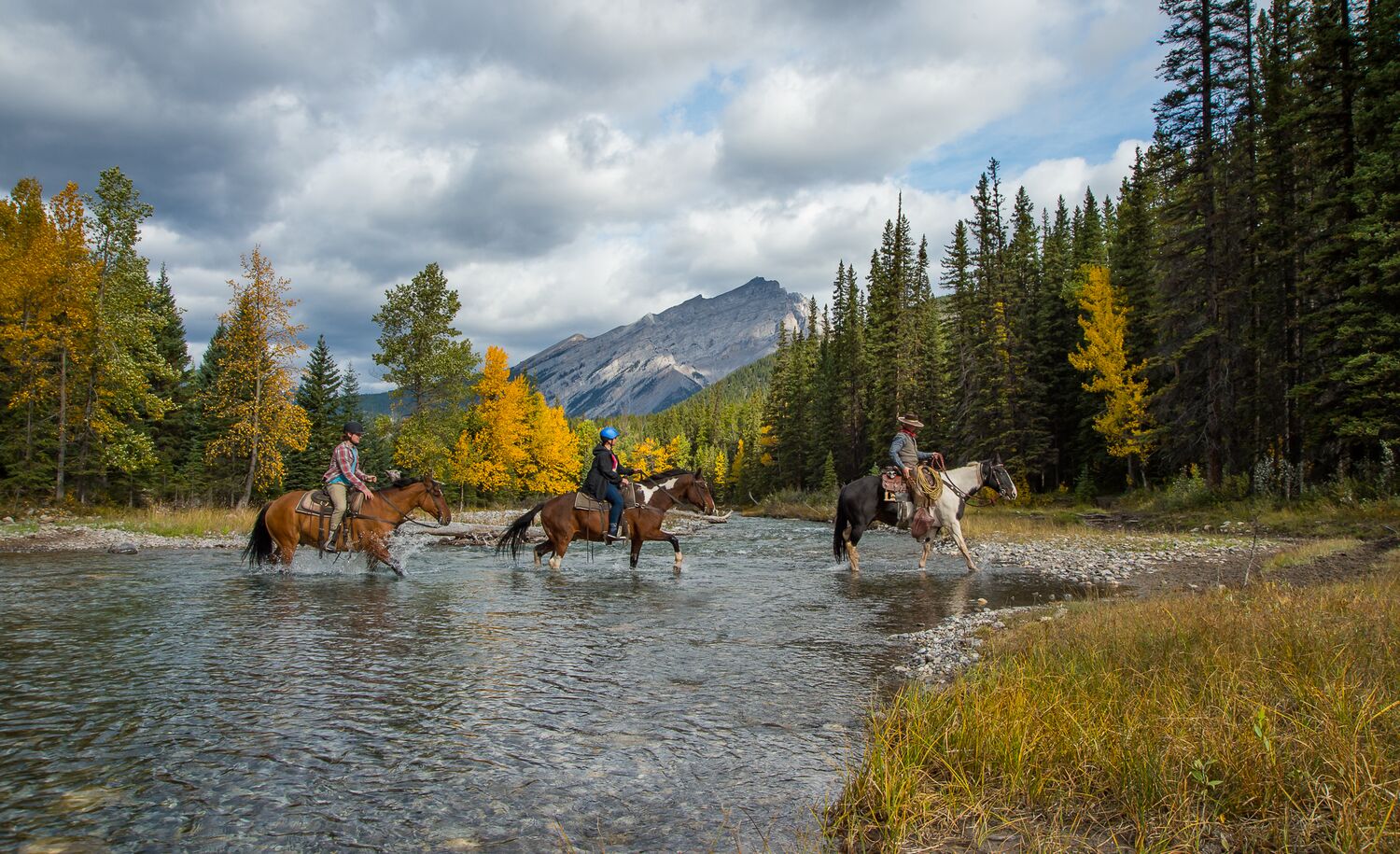
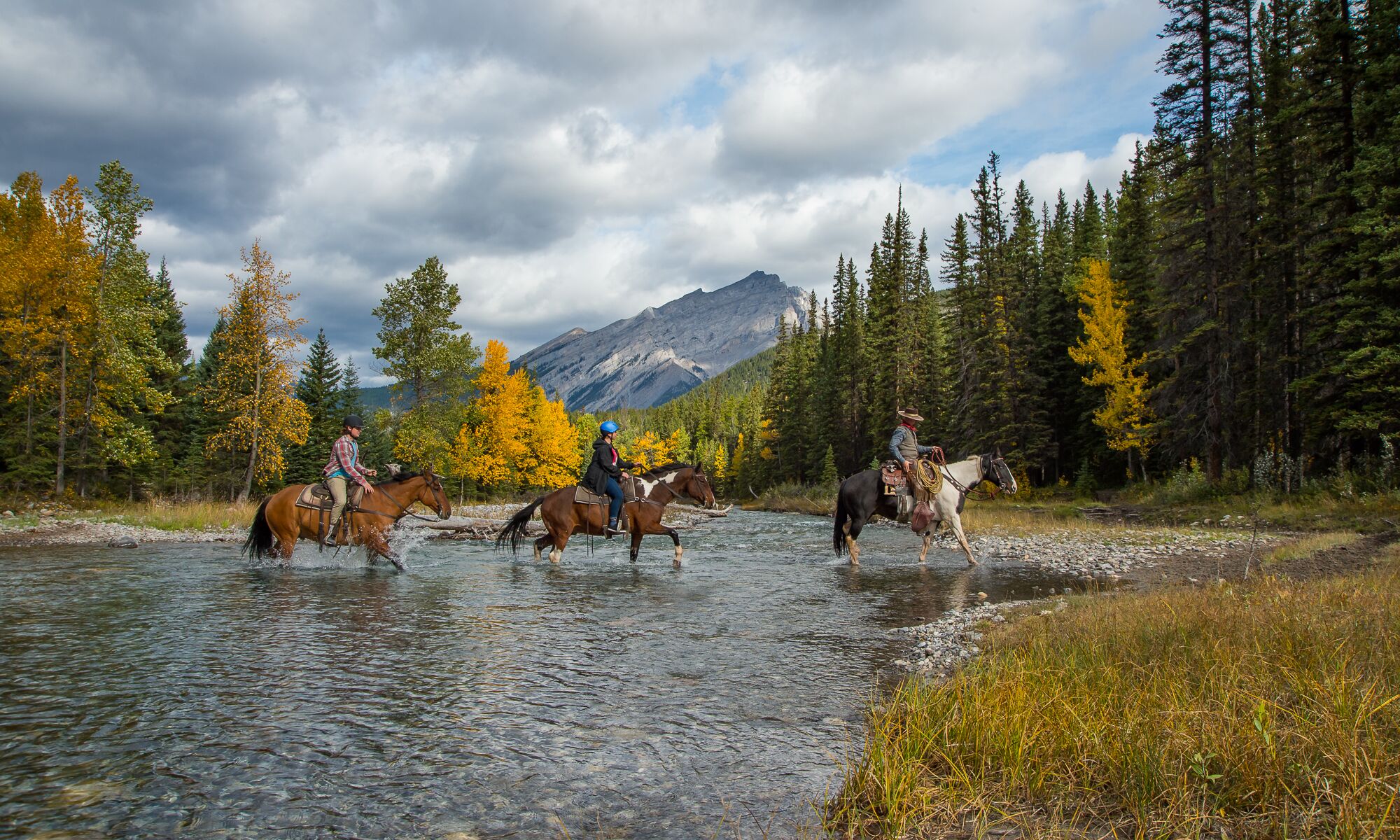
Hiking is one of the most popular ways to experience larches, with routes in areas like Larch Valley, Sentinel Pass, and Healy Pass offering unforgettable views. To view Larches without hiking visitors do activities such as guided horseback rides or ATV tours, which provide access to scenic areas while adding a unique outdoor element to the experience.
Outdoor Adventures
Fall is an ideal time for hiking, with cooler temperatures and clear conditions making it comfortable to spend longer days on the trails. From lakeside walks to alpine routes, the season offers a range of options across Banff and Lake Louise.
Sightseeing tours make it easy to explore top highlights without the need to plan logistics, including routes through the Bow Valley and along the Icefields Parkway.
For a more elevated perspective, helicopter tours showcase sweeping views of mountain ranges, glaciers, and valleys, all from a birds eye view.
Wellness
Fall also creates space to slow down and recharge. Spas throughout Banff and Lake Louise offer a range of treatments, from massage and hydrotherapy circuits to alpine-inspired wellness experiences. Many are set within hotels or surrounded by mountain views, making them a relaxing way to unwind after a day outdoors.
Fall Weather
From September through October, temperatures gradually cool, creating ideal conditions for hiking, sightseeing, and experiencing larch season.
- September often brings mild, pleasant days with average daytime temperatures ranging from 10 to 18°C. Early in the month can still feel like summer, while later weeks introduce cooler mornings, vibrant fall colours, and the first hints of frost.
- By October, temperatures drop more noticeably, with daytime highs typically between 5 and 10°C and colder mornings and evenings. Snowfall becomes more frequent, especially at higher elevations, while valley bottoms may see a mix of sun, rain, and snow.
Mountain weather can change quickly throughout the fall, particularly at higher elevations, where temperatures are cooler and early winter conditions can arrive without much warning.
What to Wear in Fall in Banff
Dressing in adaptable layers is essential for staying comfortable as temperatures shift throughout the day and between elevations. You’ll want to bring a warmer, packable jacket for early starts, high-alpine hikes, and evenings when temperatures drop quickly. Lighter layers are ideal for active adventures in the fall sunshine.
What to pack:
- Warm layers such as sweaters or fleece.
- An insulated jacket for colder mornings and evenings.
- Waterproof jacket or outer layer.
- Comfortable hiking shoes or sturdy, weather-appropriate footwear.
- Hat and gloves for colder days, especially in October.
- Sunglasses and sunscreen for sunny days.
Layering allows you to adjust easily as conditions change, whether you're hiking to see golden larches, exploring town, or going on a guided sightseeing tour.
Fall Events
Fall events in Banff and Lake Louise highlight culture, cuisine, and community, offering compelling reasons to visit beyond hiking and sightseeing. From food festivals to internationally recognized film events, the season brings a dynamic mix of experiences set against a backdrop of changing mountain landscapes.
September introduces a rich lineup of arts and cultural programming. Indigenous Voices at the Cave and Basin shares stories, traditions, and perspectives through interactive experiences and guided programming at this historic site. At the same time, the Banff Centre for Arts and Creativity hosts a range of live performances, including music, theatre, and dance, bringing world-class talent to the mountains.
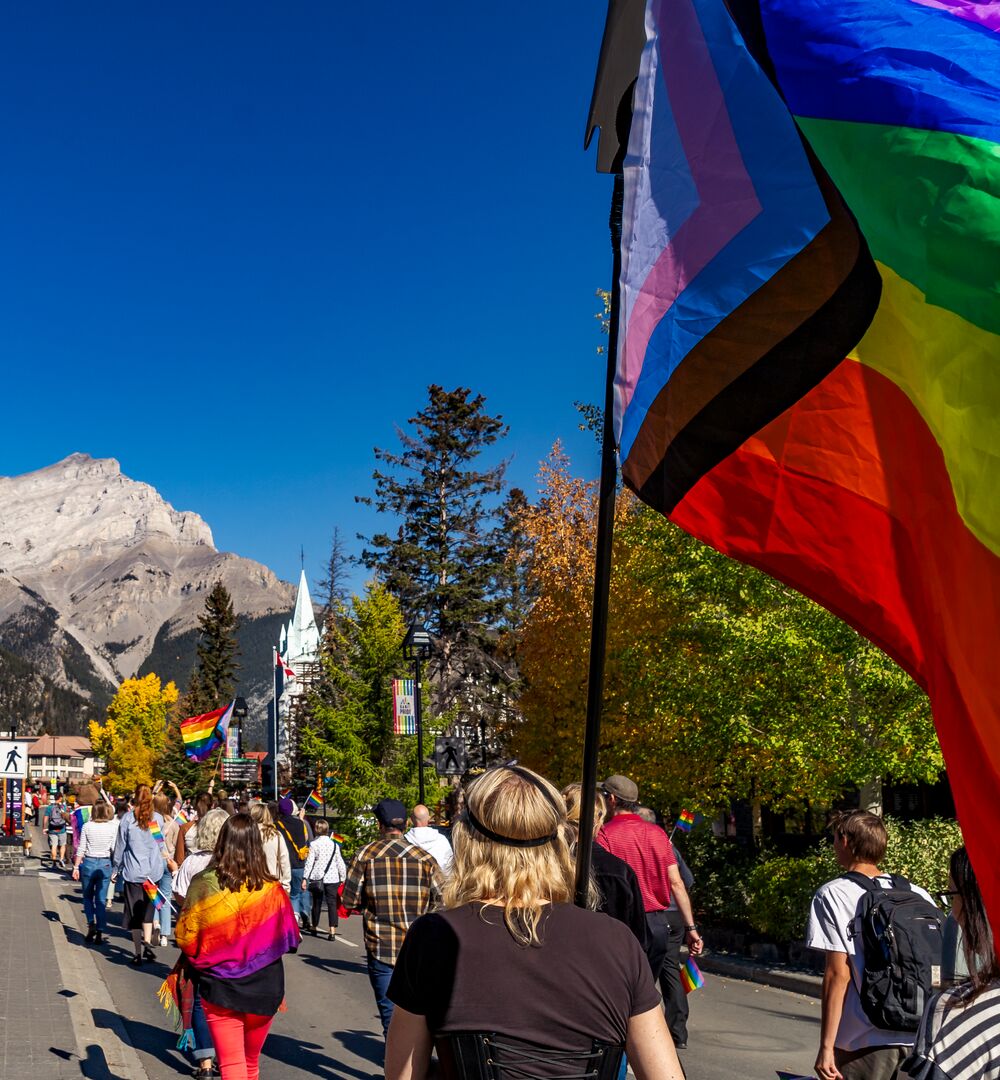
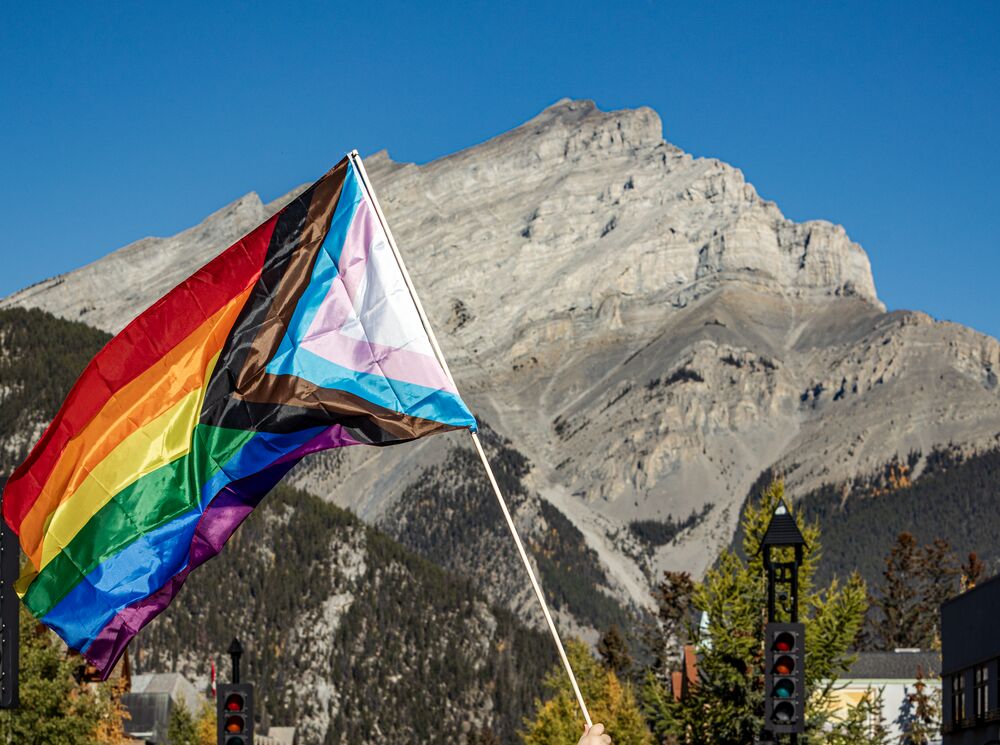
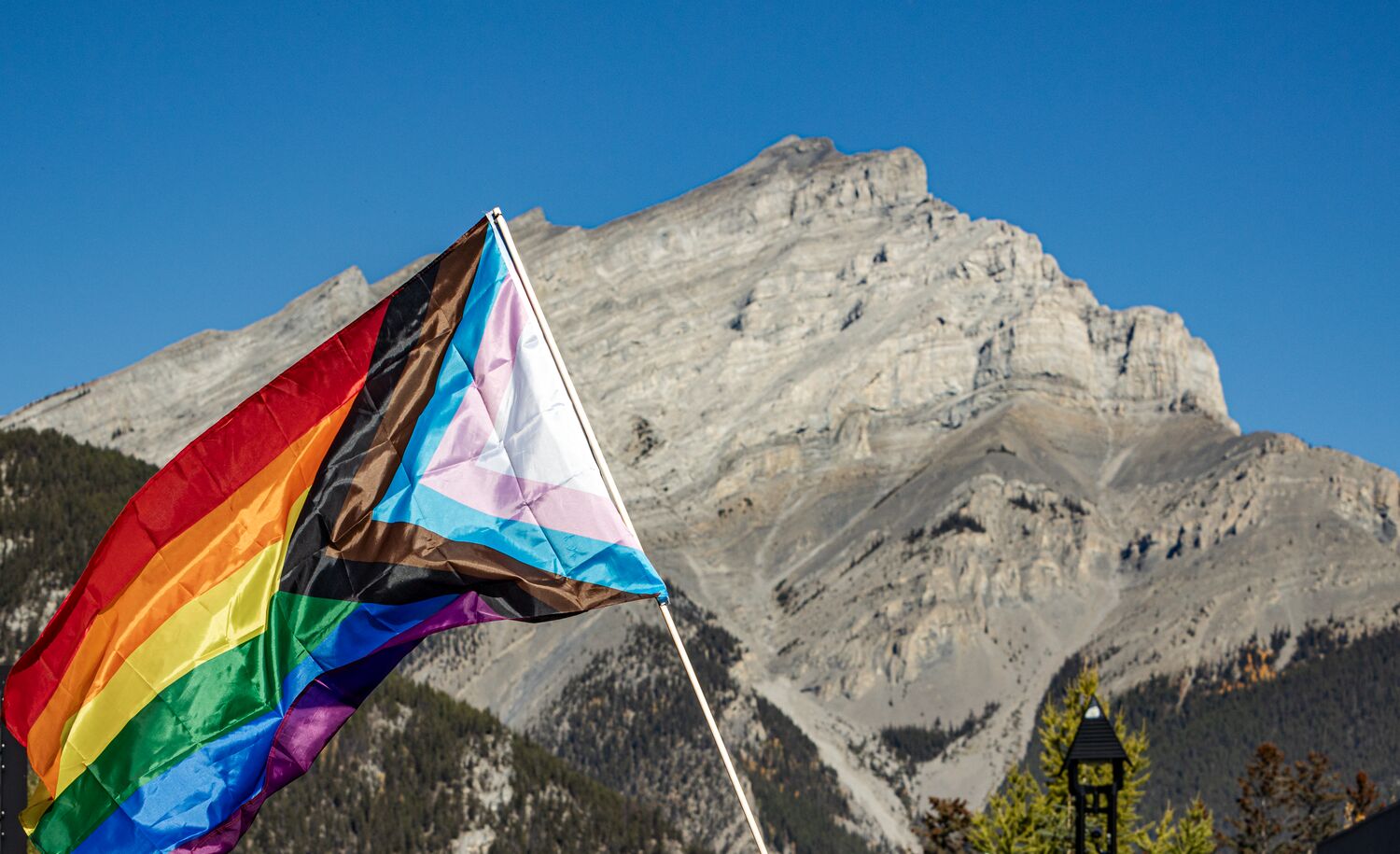
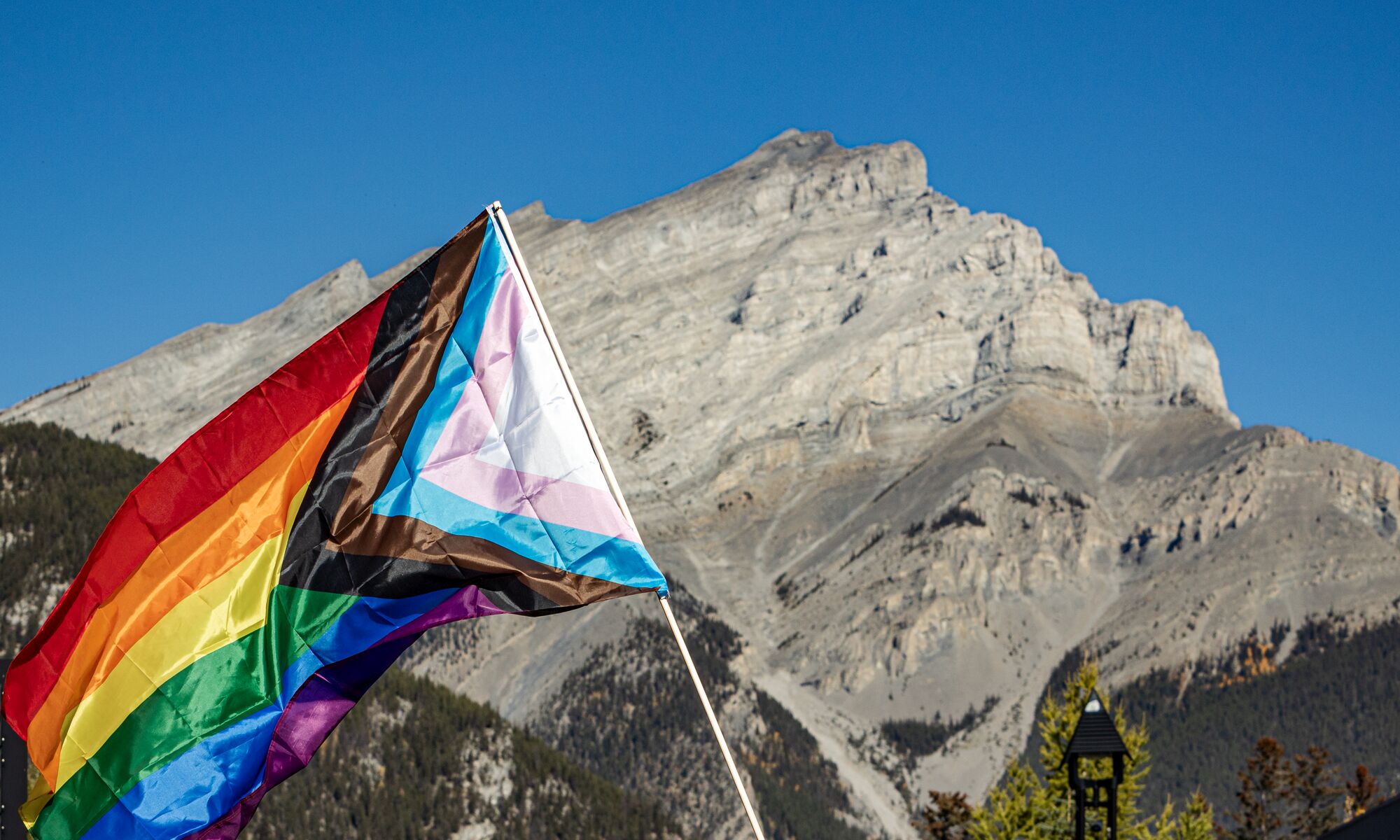
October brings a strong focus on food and community. Banff Pride lights up the calendar with a vibrant program of arts, culture, and inclusive community events. The 10-day festival happens early in the month.
Taste for Adventure takes place throughout the month, featuring prix-fixe menus, food events, and culinary experiences across Banff and Lake Louise.
For up‑to‑date listings, visit our fall events page to see what’s happening during your stay.
How to get Around Banff and Lake Louise in Fall
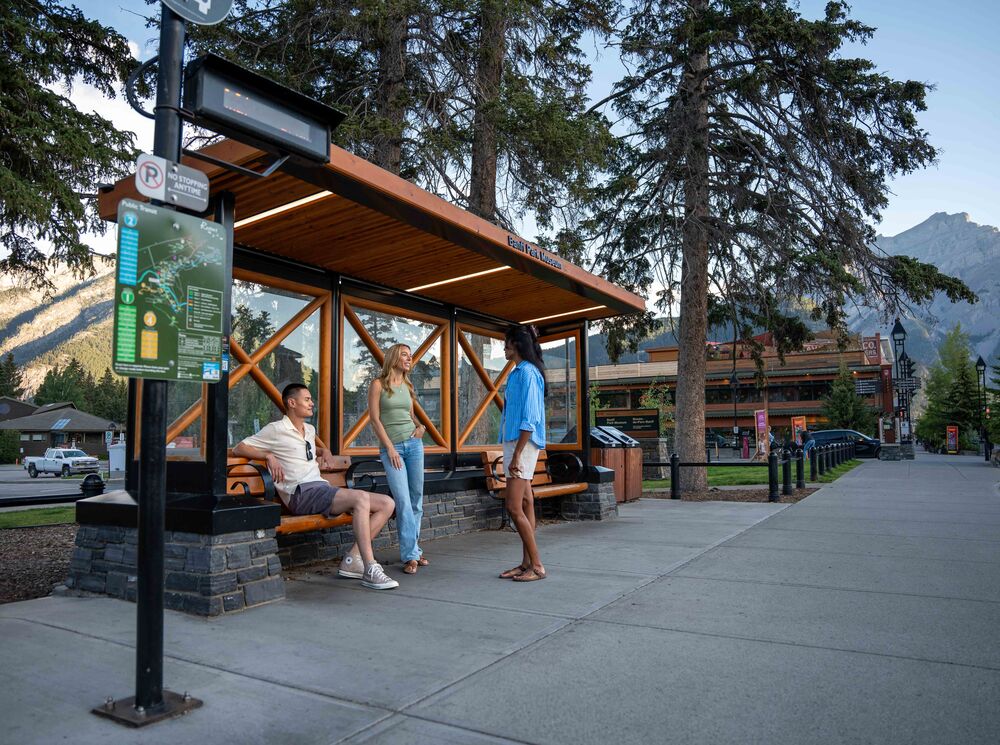
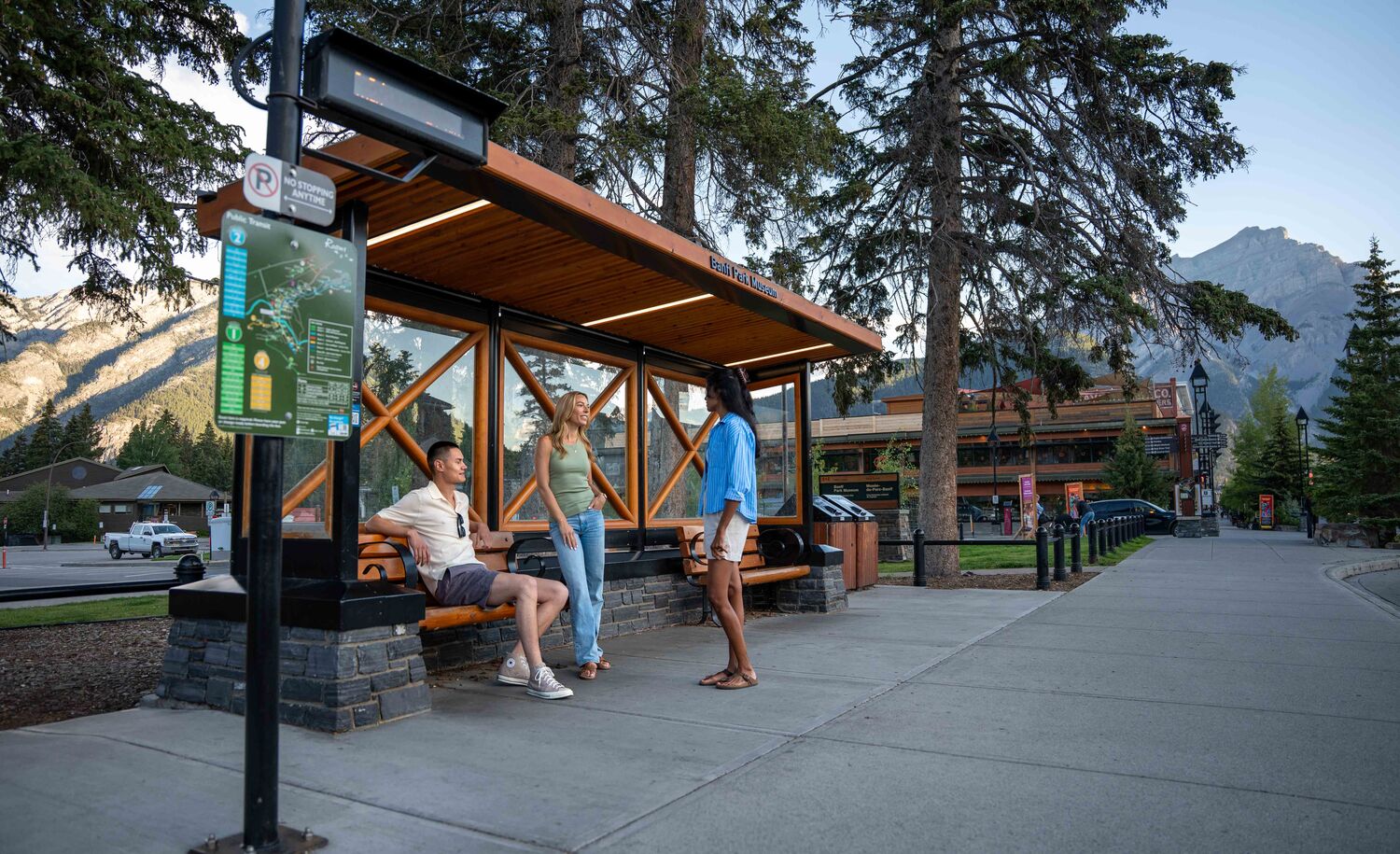
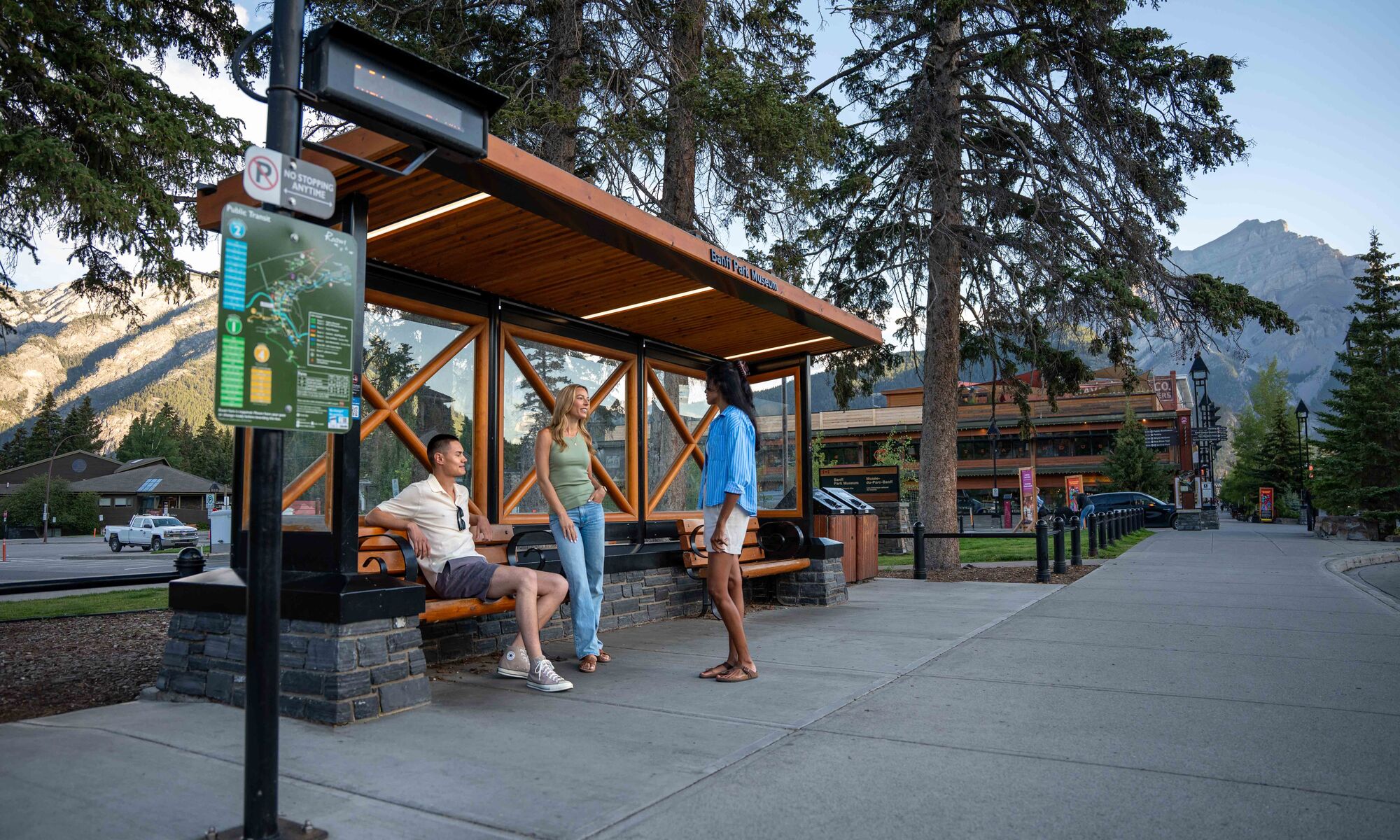
Getting around Banff and Lake Louise in fall is easy, with Roam Public Transit continuing to connect key areas and attractions.
Sightseeing tours operate throughout the season, offering guided access to scenic viewpoints, alpine lakes, and key wildlife areas. As conditions shift, tours are tailored to highlight the best of the season, from fall colours and active wildlife to early winter scenery in the mountains.
As winter approaches, planning transportation in advance becomes increasingly important, especially as weather and road conditions can shift quickly.
Choosing the Best Time to Visit Banff and Lake Louise
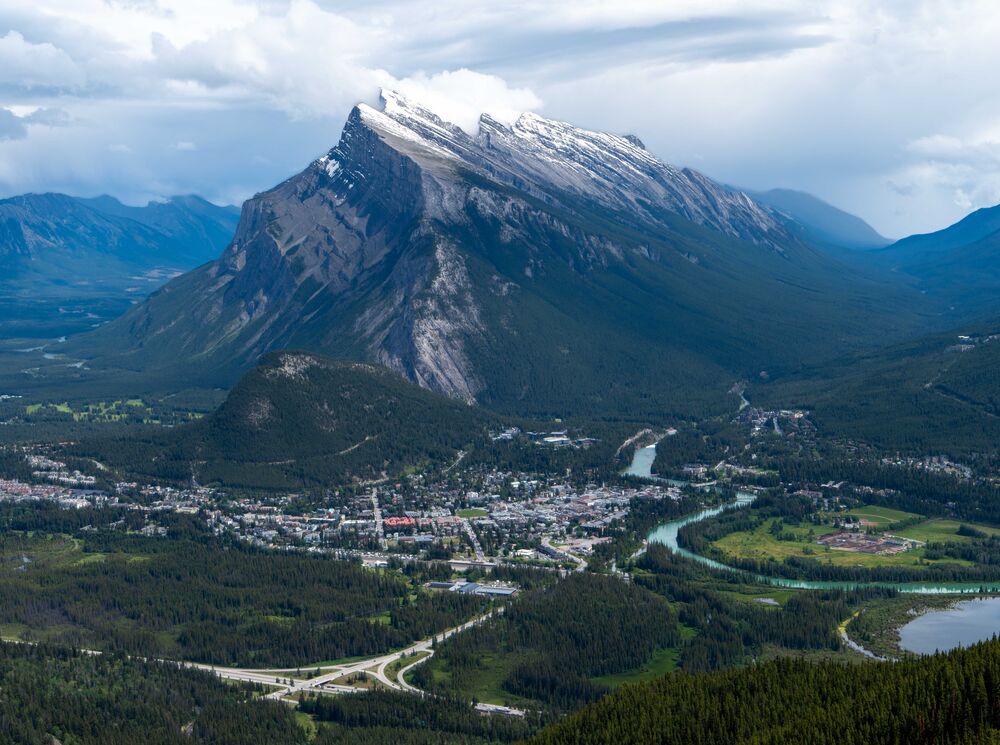
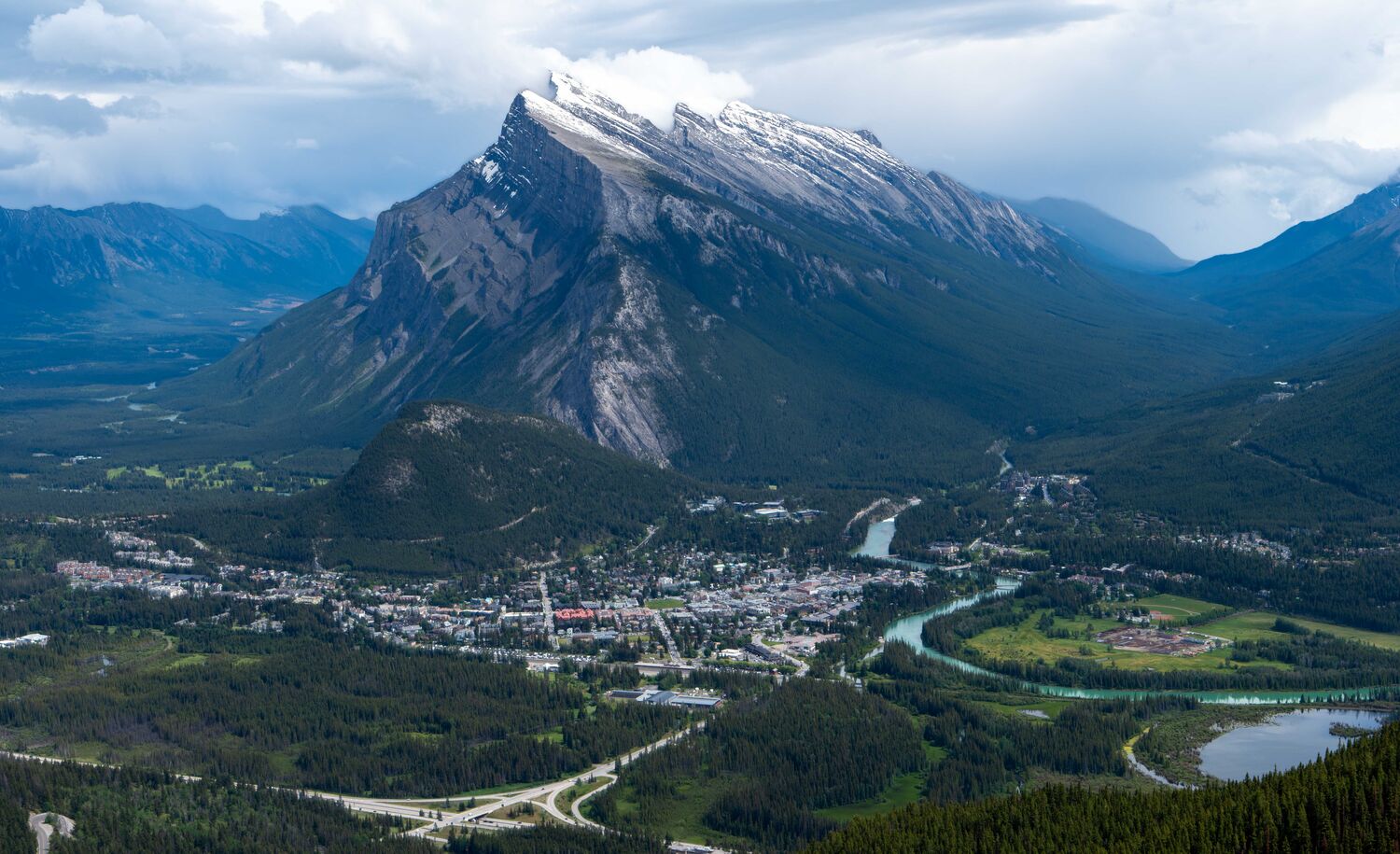
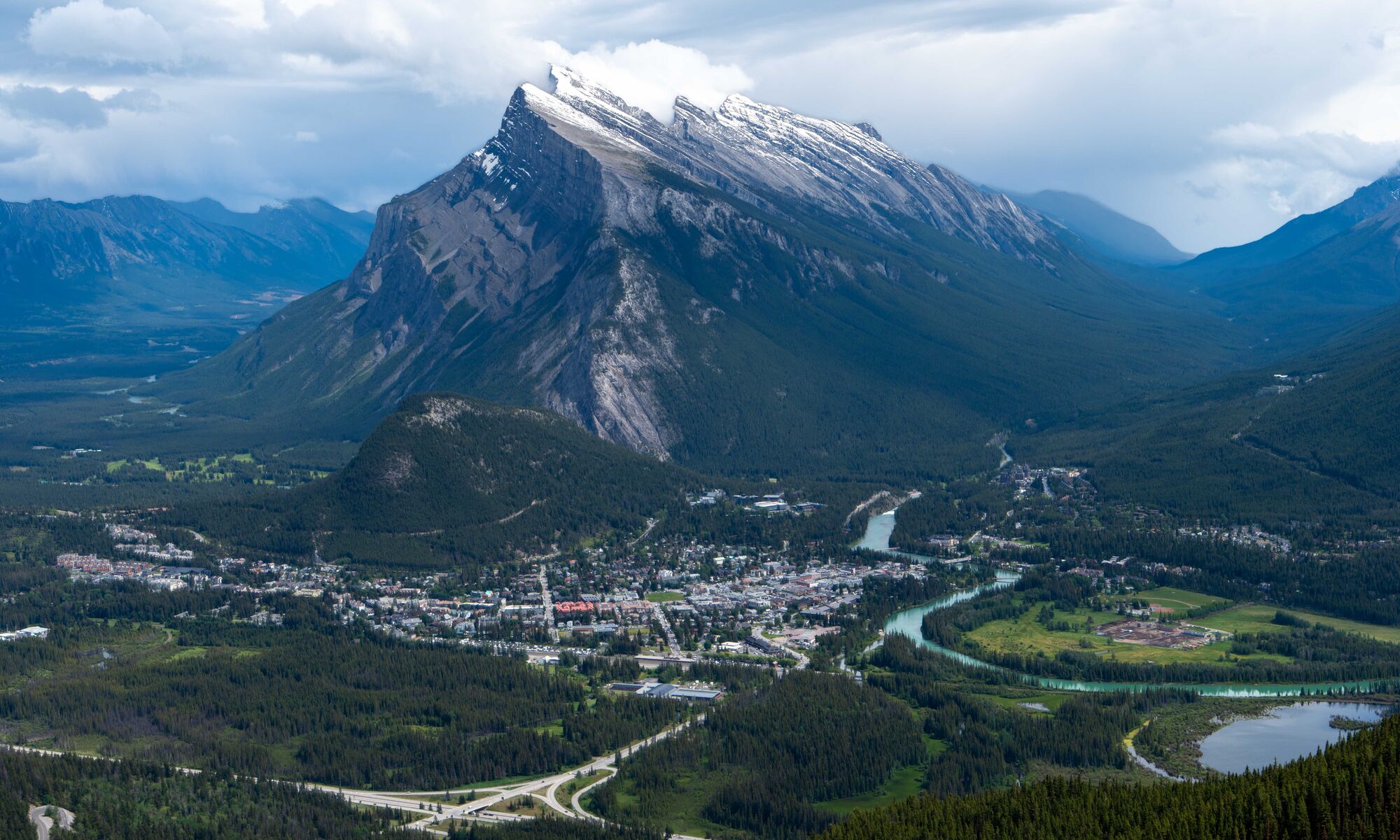
The best time to visit Banff and Lake Louise looks different for every traveller. Each season in Banff National Park offers its own mix of weather, activities, and experiences, shaping how you explore the Canadian Rocky Mountains.
Winter brings snow‑covered landscapes, iconic skiing and winter adventures, and seasonal festivals, while spring marks a period of transition with changing conditions, spring skiing, and emerging events. Summer delivers the widest range of things to do in Banff and Lake Louise, from hiking and canoeing turquoise lakes to festivals and long mountain days, while fall offers crisp air, golden larch trees, and dramatic scenery as the park shifts toward winter.
By understanding what each season has to offer, it becomes easier to choose the best time to visit Banff based on your interests, travel style, and the experiences you want to have.
Plan Your Trip to Banff and Lake Louise
Start planning your dream trip to Banff and Lake Louise today with our easy to use Trip Builder. Curate you perfect trip from start to finish with accommodation, dining, activities, sightseeing adventures and more!